Công ty Hải Đức Bột với hơn 10 năm kinh nghiệm vận chuyển khí, cung cấp hệ thống‑thiết bị‑quạt gió và nhận dự án tổng thầu bột cả nước
When it comes to processing corn, efficient and reliable conveying of corn kernels is a critical step that impacts overall production efficiency and product quality. The methods used for corn kernel conveying vary based on factors such as the volume of material, the distance to be covered, and the specific requirements of the processing plant. Understanding these methods is essential for selecting the most suitable solution for your operation.
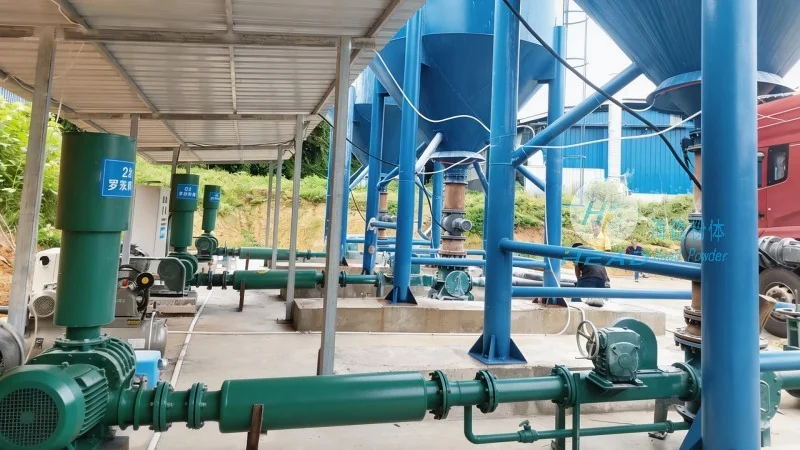
Overview of Corn Kernel Conveying Methods
There are several common methods employed in the industry for transporting corn kernels from one location to another within a processing facility. Each method has its own advantages and is suitable for different scenarios. The primary methods include mechanical conveyors, pneumatic conveying systems, and bucket elevators. These systems are designed to handle the unique characteristics of corn kernels, such as their size, density, and moisture content, ensuring minimal breakage and loss during transport.
Mechanical Conveyors for Corn Kernel Transport
Mechanical conveyors are a traditional and widely used method for corn kernel conveying. These systems utilize a continuous belt or chain to move material along a fixed path. The most common types include belt conveyors, screw conveyors, and chain conveyors. Belt conveyors are particularly effective for moving large volumes of corn kernels over short to medium distances. They are simple to install and maintain, making them a cost-effective solution for many processing plants. Screw conveyors, also known as augers, are ideal for vertical or inclined transport, as they can lift and move material while keeping it contained within a tube. This method is especially useful when space is limited or when the corn kernels need to be elevated to a higher level. Chain conveyors, on the other hand, are robust and can handle heavier loads or materials with higher moisture content, providing durability and reliability in demanding environments.
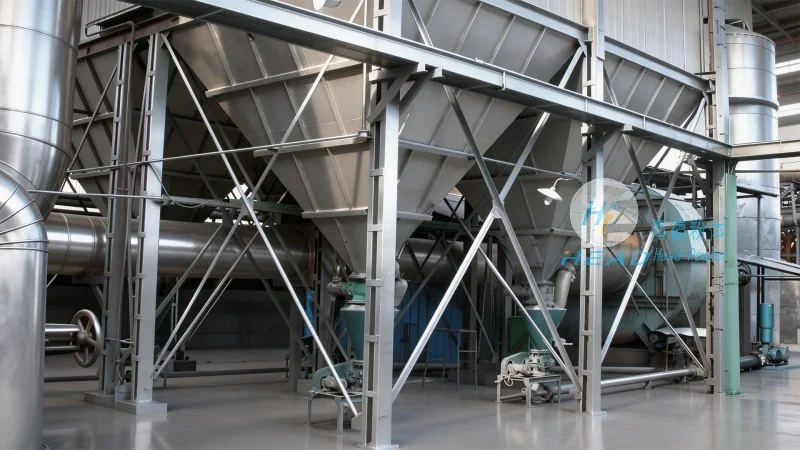
Pneumatic Conveying Systems for Corn Kernel Handling
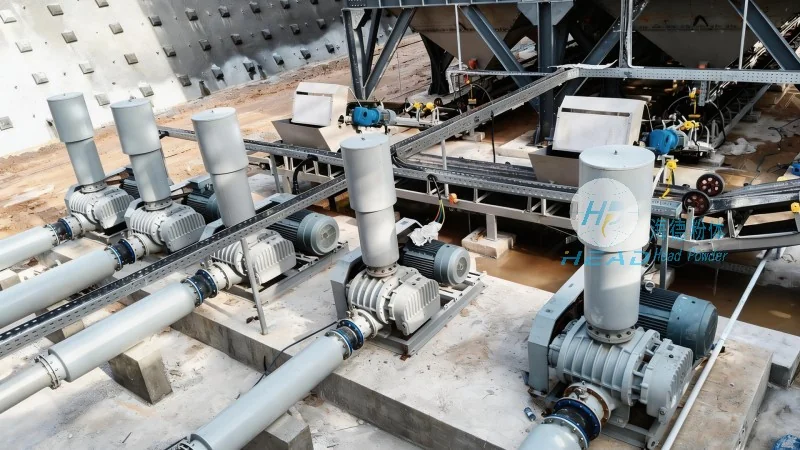
Pneumatic conveying systems use air pressure to transport corn kernels through a network of pipes. This method is highly efficient for moving material over longer distances and can be integrated with other processing equipment. There are two main types of pneumatic conveying: pressure and vacuum systems. Pressure systems use compressed air to push the material forward, while vacuum systems use a vacuum to pull the material into the system. Both methods are effective for corn kernel conveying, but the choice between them depends on the distance and the specific characteristics of the material. Pneumatic systems are particularly advantageous for applications where dust control is a concern, as they can be enclosed and sealed to prevent contamination. Additionally, these systems can be designed to handle a wide range of particle sizes and moisture levels, making them versatile for various corn processing operations.
Bucket Elevators for Vertical Corn Kernel Transport
Bucket elevators are specialized equipment used for vertical transport of corn kernels. These systems consist of a continuous chain with buckets attached, which moves the material upward in a vertical shaft. Bucket elevators are highly efficient for lifting corn kernels to significant heights, often used in feed mills or processing plants where material needs to be elevated to a higher level for further processing. They are capable of handling large volumes of material with minimal power consumption and are known for their durability and reliability. The buckets are designed to grip the corn kernels securely, preventing spillage and ensuring that the material is transported safely and efficiently. This method is particularly useful when the corn kernels need to be moved vertically over a considerable distance, and it is often integrated with other conveyor systems to form a complete material handling solution.
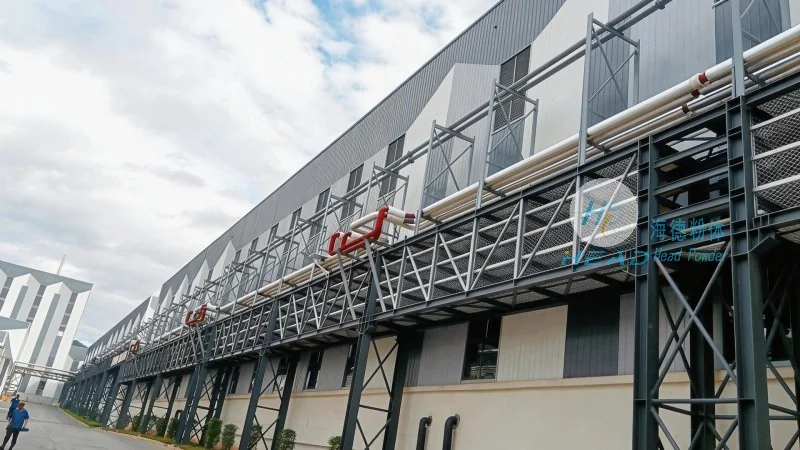
Choosing the Right Conveying Method for Your Operation
Selecting the appropriate corn kernel conveying method requires careful consideration of several factors. The first step is to assess the volume of material that needs to be transported, as this will determine the capacity required from the system. The distance between the source and the destination is another critical factor, as it will influence whether a mechanical or pneumatic system is more suitable. Additionally, the characteristics of the corn kernels, such as their size, moisture content, and potential for breakage, must be taken into account. For example, if the corn kernels are prone to breaking, a gentler conveying method like a belt conveyor or a pneumatic system with soft materials may be preferred. The available space and budget are also important considerations, as different systems have varying installation and operational costs. By evaluating these factors, you can select the most efficient and cost-effective conveying method that meets the specific needs of your corn processing operation.
Conclusion
Efficient corn kernel conveying is essential for maintaining high production efficiency and product quality in corn processing facilities. The methods discussed, including mechanical conveyors, pneumatic systems, and bucket elevators, each offer unique advantages and are suitable for different applications. By understanding the characteristics of your material and the requirements of your operation, you can choose the most appropriate conveying method. For reliable and efficient corn kernel conveying solutions, consider the expertise and products offered by Shandong HeadPowder Engineering Co., Ltd., a leading provider of industrial conveying equipment in China. Their comprehensive range of solutions is designed to meet the diverse needs of corn processing plants, ensuring optimal performance and durability.

 Công ty TNHH Kỹ thuật Công trình Bột Hải Đức Sơn Đông
 156-6277-7102(Quản lý Trương)
  0531-83386006
  Quận Chương Khâu, Thành phố Tế Nam, Tỉnh Sơn Đông, Trung Quốc
Điện thoại
WeChatTư vấn
Lên đầu