Công ty Hải Đức Bột với hơn 10 năm kinh nghiệm vận chuyển khí, cung cấp hệ thống‑thiết bị‑quạt gió và nhận dự án tổng thầu bột cả nước
Water glass, also known as sodium silicate, is a versatile chemical widely used in various industrial applications. The efficient and safe transportation of water glass is crucial for maintaining production efficiency and ensuring product quality. This article explores the common methods used for water glass transportation, highlighting the key considerations and best practices in the industry.
Understanding Water Glass and Its Transportation Requirements
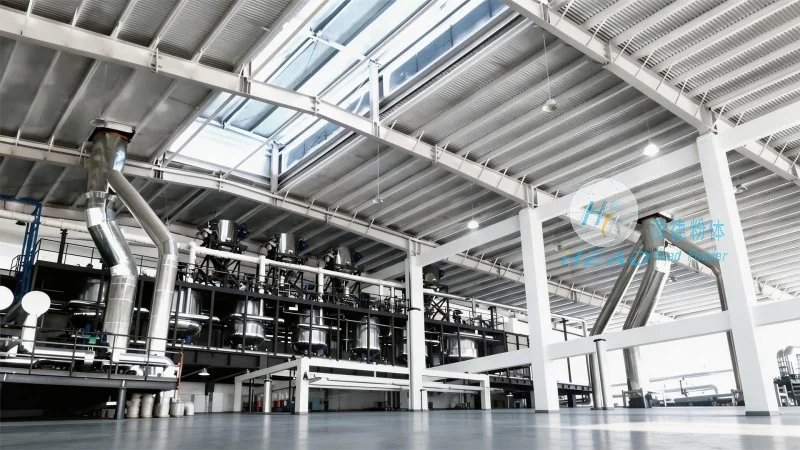
Before delving into the specific transportation methods, it's essential to understand the properties of water glass that influence its handling. Water glass is a viscous, alkaline solution that can be corrosive to certain materials. Its physical characteristics, such as high viscosity and potential for crystallization, require specialized equipment and procedures to ensure safe and effective transport. Proper understanding of these properties helps in selecting the most appropriate transportation method for different scenarios.
Common Methods of Water Glass Transportation
Several methods are commonly employed for the transportation of water glass, each with its own advantages and suitable applications. The choice of method often depends on factors like the volume of the material, the distance of transport, and the specific requirements of the end-user. The primary methods include bulk tankers, containerized transport, and specialized pumping systems.
Bulk Tanker Transportation
Bulk tanker trucks are widely used for the transportation of water glass over medium to long distances. These specialized vehicles are equipped with insulated tanks to maintain the temperature and prevent crystallization of the solution. The tanks are typically made of corrosion-resistant materials like stainless steel or lined with protective coatings to withstand the alkaline nature of water glass. During transportation, the tankers are often equipped with agitators to keep the solution in a homogeneous state and prevent sedimentation. This method is particularly suitable for large-scale industrial operations where high volumes of water glass need to be moved from production sites to manufacturing plants or distribution centers.
Containerized Transport
For shorter distances or when transporting smaller quantities, containerized transport is a practical option. Water glass can be stored and transported in specialized containers, such as plastic or lined metal drums. These containers are designed to be lightweight yet durable, with features like secure sealing to prevent leaks and contamination. Containerized transport is often used in situations where the material needs to be delivered to specific work sites or for smaller-scale projects. The containers are typically handled by forklifts or other material handling equipment to ensure safe and efficient loading and unloading.
Specialized Pumping Systems
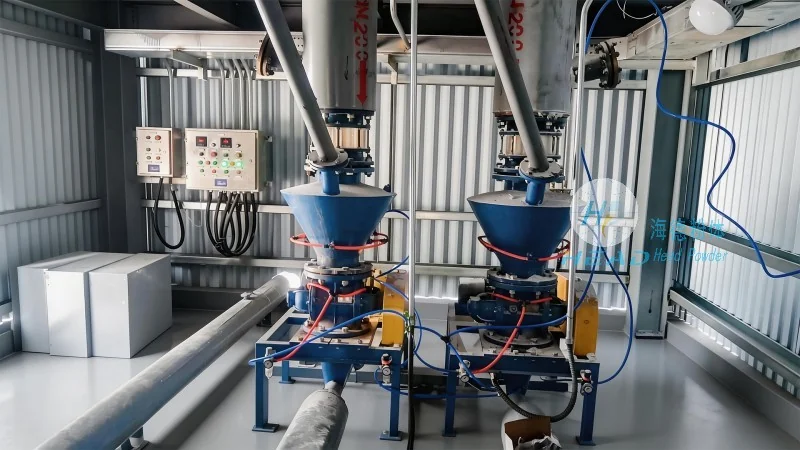
In some cases, especially when water glass needs to be transported through pipelines or to specific processing equipment, specialized pumping systems are employed. These systems may include centrifugal pumps, diaphragm pumps, or peristaltic pumps, depending on the viscosity and flow rate requirements. The pumps are usually equipped with materials that are resistant to corrosion, such as stainless steel or PTFE-lined components, to ensure long-term durability and prevent degradation of the water glass. The use of pumping systems allows for continuous and controlled flow of the material, which is essential for maintaining the quality and consistency of the solution.
Key Considerations for Safe Water Glass Transportation
Regardless of the chosen transportation method, several key considerations must be followed to ensure the safety and integrity of the water glass. Proper labeling and documentation are crucial to identify the material and its hazards. The transportation vehicles and equipment must be regularly inspected and maintained to prevent leaks or malfunctions. Additionally, adherence to local regulations and safety standards is mandatory to minimize risks and ensure compliance. Proper training for personnel involved in the transportation process is also essential to handle any potential emergencies effectively.
Conclusion
Efficient and safe transportation of water glass is a critical aspect of its industrial application. By understanding the properties of water glass and selecting the appropriate transportation method, companies can ensure the reliable delivery of this essential chemical. Whether using bulk tankers, containerized transport, or specialized pumping systems, adherence to best practices and safety guidelines is paramount. As a leading provider in the field, Shandong HeadPowder Engineering Co., Ltd. specializes in the handling and transportation of water glass, leveraging years of experience and expertise to meet the diverse needs of its clients.

 Công ty TNHH Kỹ thuật Công trình Bột Hải Đức Sơn Đông
 156-6277-7102(Quản lý Trương)
  0531-83386006
  Quận Chương Khâu, Thành phố Tế Nam, Tỉnh Sơn Đông, Trung Quốc
Điện thoại
WeChatTư vấn
Lên đầu