Công ty Hải Đức Bột với hơn 10 năm kinh nghiệm vận chuyển khí, cung cấp hệ thống‑thiết bị‑quạt gió và nhận dự án tổng thầu bột cả nước
Catalyst delivery is a critical process in industrial applications, ensuring the efficient and safe transport of catalysts from storage to the point of use. The choice of delivery method significantly impacts operational efficiency, safety, and the overall performance of the process. Various methods are employed depending on the catalyst's properties, the process requirements, and the scale of operation.
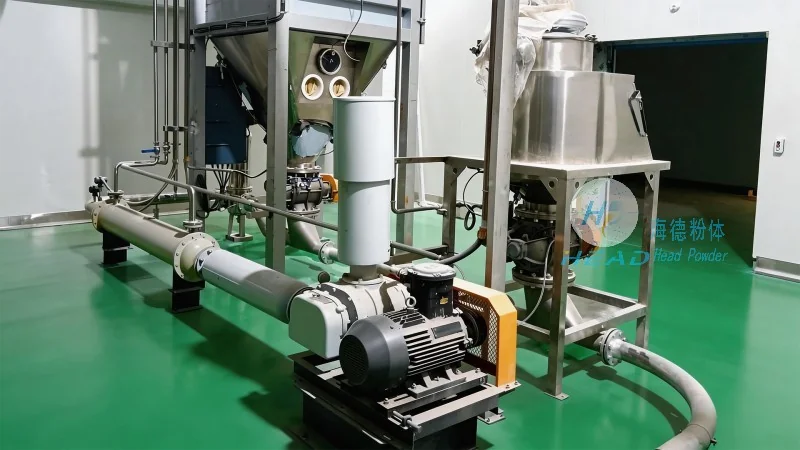
Common Methods of Catalyst Delivery
Catalyst delivery systems can be broadly categorized into several types, each designed to handle different characteristics of the catalyst material. The primary methods include:
1. Pneumatic Conveying Systems: This method uses compressed air or other gases to transport dry catalyst powders through a pipeline. Pneumatic systems are suitable for non-abrasive or moderately abrasive powders and can be operated in both positive and negative pressure modes. The design of the system, including the type of airlock, cyclone separator, and pipeline layout, is crucial for maintaining catalyst integrity and preventing clogging.
2. Hydraulic or Pumping Systems: For catalysts that are more viscous or require a more controlled flow, hydraulic systems using pumps (such as metering pumps or positive displacement pumps) are employed. These systems are ideal for handling catalysts with higher solid content or those that need to be mixed with other fluids. The pump selection depends on the catalyst's rheology and the required flow rate.
3. Mechanical Conveying Equipment: This includes screw conveyors, belt conveyors, and bucket elevators, which are used for bulk catalyst handling. Mechanical systems are often preferred for larger particle sizes or when the catalyst is in a semi-solid or granular form. They provide a continuous and reliable flow, though they may require more maintenance compared to pneumatic systems.
4. Gravity Feed Systems: In some cases, especially for lighter catalyst powders, gravity feed systems are utilized. These systems rely on the natural weight of the catalyst to move it from a higher to a lower level. While simple and cost-effective, gravity feed is limited by the vertical distance and the angle of the chute, and it may not be suitable for all catalyst types.
Factors Influencing the Choice of Delivery Method
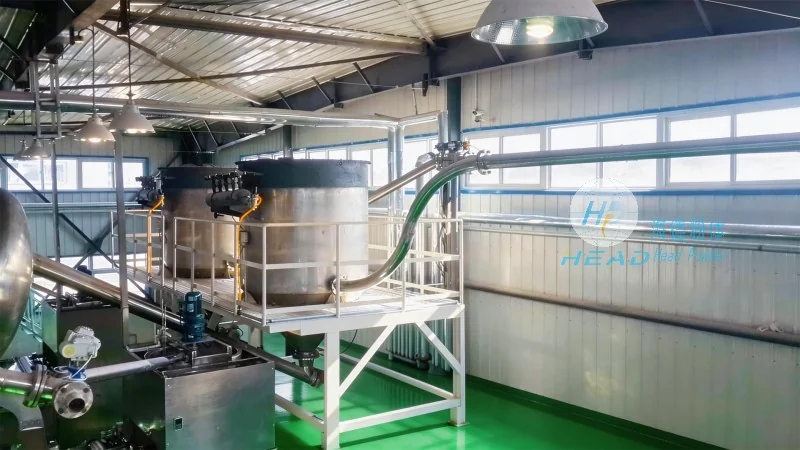
Several factors must be considered when selecting a catalyst delivery method:
- Catalyst Properties: The physical and chemical properties of the catalyst, such as particle size, density, moisture content, and abrasiveness, directly affect the choice of system. For example, highly abrasive catalysts may require specialized equipment to prevent wear and tear.
- Process Requirements: The required flow rate, pressure, and temperature conditions of the process dictate the delivery method. High-pressure applications may necessitate robust piping and valves, while low-flow applications might use smaller, more compact systems.
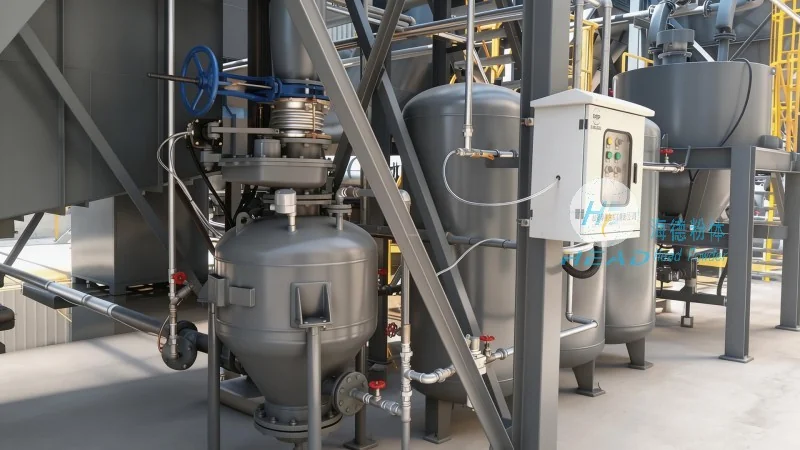
- Scale of Operation: The volume of catalyst being handled daily influences the system's capacity. Large-scale industrial plants often use integrated systems combining multiple delivery methods to meet high throughput demands.
- Safety and Environmental Considerations: Catalysts may be hazardous or require containment to prevent environmental contamination. The delivery system must comply with safety regulations and minimize dust emissions or leaks.
The Role of HeadPowder in Catalyst Delivery Solutions
Shandong HeadPowder Engineering Co., Ltd., operating under the brand name HeadPowder, specializes in providing comprehensive catalyst delivery solutions tailored to the specific needs of industrial clients. With a focus on innovation and reliability, HeadPowder designs and manufactures customized systems that integrate the most appropriate delivery method based on the client's process parameters.
The company's expertise lies in understanding the unique challenges of catalyst handling, from the initial storage and transfer to the final injection point. By leveraging advanced engineering and material science, HeadPowder ensures that each delivery system is optimized for efficiency, safety, and long-term performance. Their solutions are designed to meet the stringent requirements of various industries, including petrochemical, pharmaceutical, and chemical manufacturing.
Conclusion
Selecting the right catalyst delivery method is a critical decision that impacts the overall success of industrial processes. By considering the catalyst's properties, process requirements, and operational scale, industries can choose the most effective and reliable system. Companies like Shandong HeadPowder Engineering Co., Ltd. play a vital role in providing tailored solutions that enhance operational efficiency and ensure the safe handling of catalysts.

 Công ty TNHH Kỹ thuật Công trình Bột Hải Đức Sơn Đông
 156-6277-7102(Quản lý Trương)
  0531-83386006
  Quận Chương Khâu, Thành phố Tế Nam, Tỉnh Sơn Đông, Trung Quốc
Điện thoại
WeChatTư vấn
Lên đầu