Công ty Hải Đức Bột với hơn 10 năm kinh nghiệm vận chuyển khí, cung cấp hệ thống‑thiết bị‑quạt gió và nhận dự án tổng thầu bột cả nước
Chocolate conveying is a critical process in the manufacturing and distribution of chocolate products. Efficient and reliable conveying systems ensure that chocolate masses are moved from one stage of production to another without degradation or contamination. The choice of conveying method depends on several factors, including the type of chocolate, production volume, and the specific requirements of the manufacturing line. This article explores the primary methods used for chocolate conveying, highlighting the advantages and considerations for each approach. HeadPowder, a leading provider of engineering solutions for the food industry, specializes in designing and manufacturing high-quality conveying systems tailored to the unique needs of chocolate manufacturers.
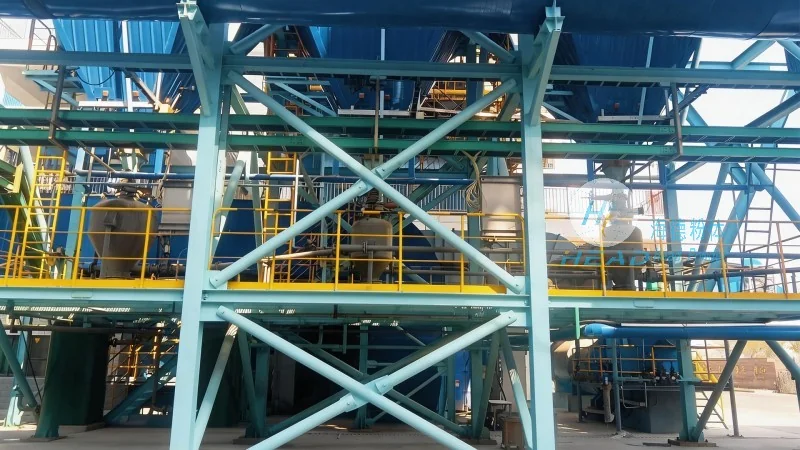
Gravity Conveying Systems
Gravity conveying systems utilize the natural force of gravity to move chocolate masses from one point to another. These systems typically consist of inclined chutes or troughs that allow the chocolate to flow downward under the influence of gravity. The design of gravity conveyors is straightforward, with minimal moving parts, which reduces maintenance requirements and operational costs. For example, in a chocolate factory, a gravity conveyor might be used to transport melted chocolate from a melting tank to a tempering unit. The smooth, continuous flow of chocolate in gravity systems helps maintain product quality by minimizing shear and heat exposure. However, gravity conveyors are limited by the need for a sufficient vertical drop and horizontal distance, making them suitable for applications where the layout of the production facility allows for such a configuration.
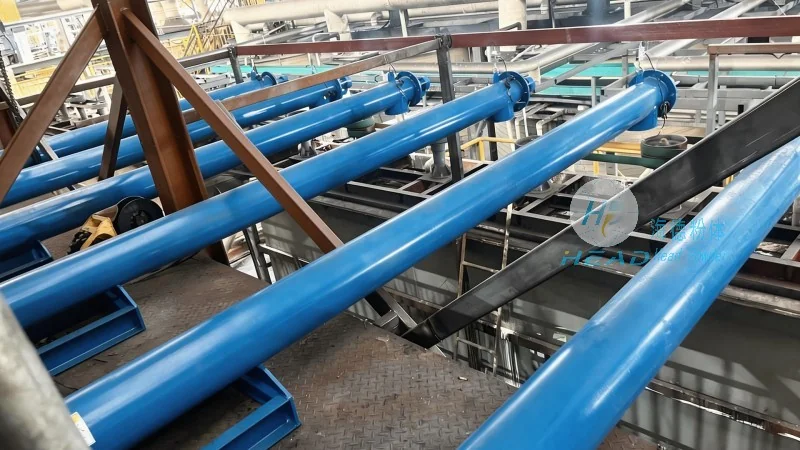
Mechanical Conveying Systems
Mechanical conveying systems employ mechanical components, such as belts, chains, or screws, to move chocolate. These systems offer greater control over the conveying speed and direction compared to gravity systems. One common type is the belt conveyor, which uses a continuous belt to transport chocolate in a horizontal or slightly inclined direction. Belt conveyors are versatile and can handle a wide range of chocolate types, including solid bars and liquid masses. Another mechanical option is the screw conveyor, which uses a rotating screw to push chocolate forward. Screw conveyors are particularly effective for handling semi-solid or viscous chocolate, as the screw’s rotation creates a positive displacement that ensures consistent flow. Mechanical conveyors are often preferred in high-volume production environments due to their ability to handle large quantities of chocolate efficiently. However, they require regular maintenance to ensure the mechanical components remain in good working condition and to prevent wear and tear on the conveyor belts or screws.
Air Conveying Systems (Pneumatic Conveying)
Air conveying systems, also known as pneumatic conveying, use compressed air to transport chocolate in a closed system. This method is particularly useful for handling fine or powdery chocolate products, such as cocoa powder or chocolate chips, as well as for moving chocolate masses over longer distances or through vertical elevations. The chocolate is typically suspended in a stream of air and carried through a series of pipes to the desired location. Air conveying systems offer flexibility in terms of layout, as they can be installed in various configurations to suit the production line. They also provide a hygienic and dust-free environment, which is essential for maintaining the quality of chocolate products. However, pneumatic conveying systems require a significant amount of energy to operate and may be more complex to install and maintain compared to other methods. The choice of air velocity and pressure is critical to ensure efficient and consistent conveying without damaging the chocolate particles.
Hybrid Conveying Systems
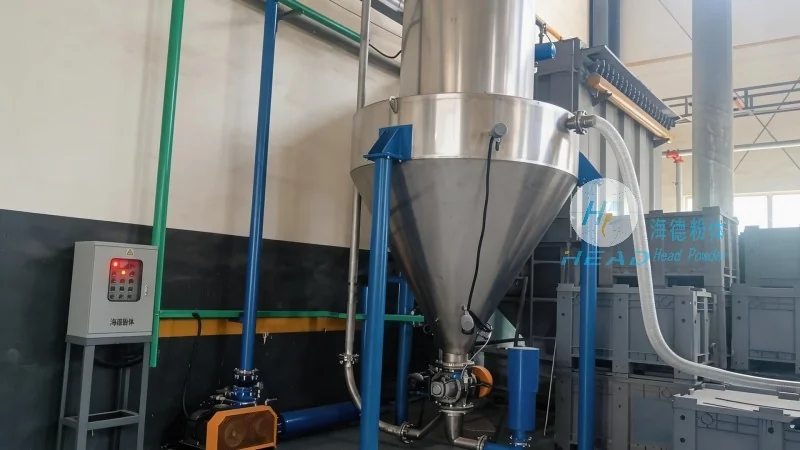
Many modern chocolate production facilities utilize hybrid conveying systems that combine elements of gravity, mechanical, and air conveying. These systems are designed to optimize the advantages of each method while mitigating their limitations. For instance, a hybrid system might use a gravity conveyor to transport chocolate from a melting tank to a point near a production line, followed by a mechanical screw conveyor to move the chocolate to a tempering unit. This approach allows for efficient use of space and energy, as well as improved control over the conveying process. Hybrid systems are particularly beneficial in large-scale production environments where multiple production lines operate simultaneously. They enable manufacturers to handle varying production volumes and product types without compromising efficiency or product quality. The integration of different conveying methods in a hybrid system requires careful planning and engineering to ensure seamless operation and minimal downtime.
Key Considerations for Choosing a Chocolate Conveying Method
When selecting a chocolate conveying method, manufacturers must consider several factors to ensure the best fit for their production needs. The first consideration is the type of chocolate being conveyed. Solid chocolate bars may require different handling than liquid or semi-solid chocolate masses. The viscosity and flow properties of the chocolate are critical, as they affect the choice of conveyor design and speed. Second, the production volume and throughput requirements play a significant role. High-volume production lines may benefit from mechanical or air conveying systems, which can handle large quantities efficiently. Third, the layout of the production facility and available space are important factors. Gravity systems are ideal for facilities with sufficient vertical drop, while mechanical and air systems offer more flexibility in layout. Finally, the cost of installation, operation, and maintenance must be evaluated. Gravity systems are generally the most cost-effective option, while mechanical and air systems may have higher upfront costs but lower maintenance requirements in some cases.
Conclusion
Chocolate conveying is a vital aspect of chocolate manufacturing, and the choice of conveying method significantly impacts product quality, efficiency, and cost. Gravity, mechanical, and air conveying systems each offer unique advantages and considerations. By understanding the specific requirements of their production processes, manufacturers can select the most appropriate conveying method to ensure smooth, efficient, and high-quality chocolate production. As the chocolate industry continues to evolve, the development of advanced conveying technologies will likely further enhance the efficiency and reliability of chocolate manufacturing processes. Shandong HeadPowder Engineering Co., Ltd., based in Shandong, China, remains committed to providing innovative and reliable conveying solutions for the global chocolate industry.

 Công ty TNHH Kỹ thuật Công trình Bột Hải Đức Sơn Đông
 156-6277-7102(Quản lý Trương)
  0531-83386006
  Quận Chương Khâu, Thành phố Tế Nam, Tỉnh Sơn Đông, Trung Quốc
Điện thoại
WeChatTư vấn
Lên đầu