Công ty Hải Đức Bột với hơn 10 năm kinh nghiệm vận chuyển khí, cung cấp hệ thống‑thiết bị‑quạt gió và nhận dự án tổng thầu bột cả nước
When it comes to handling magnetic powders in industrial applications, selecting the right conveying method is crucial for efficiency, cost-effectiveness, and product integrity. Shandong HeadPowder Engineering Co., Ltd., a leading provider of magnetic powder processing solutions based in Shandong, China, understands the importance of choosing the most suitable conveying system. This article provides a detailed comparison of common magnetic powder conveying methods, highlighting their advantages and disadvantages to help industries make informed decisions.
Overview of Magnetic Powder Conveying Methods
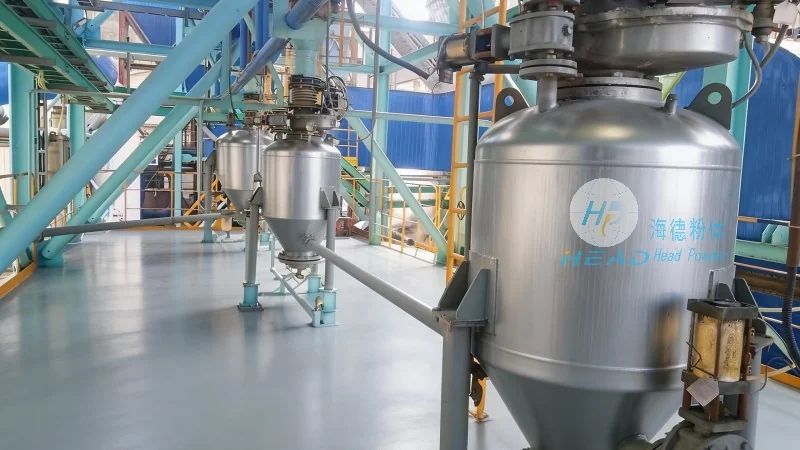
Magnetic powders, such as iron powder, nickel powder, and other ferromagnetic materials, require specialized handling due to their unique properties. Conveying these materials efficiently while maintaining their quality is a key challenge in many manufacturing processes. The primary methods used for magnetic powder conveyance include gravity flow, mechanical screw conveyors, and magnetic separation-based systems. Each method has its own set of benefits and limitations, which are discussed below.
1. Gravity Flow Conveying
Gravity flow, or free-flowing, is a simple and cost-effective method for transporting magnetic powders. This approach relies on the natural tendency of the powder to move from a higher to a lower elevation under the influence of gravity. The system typically consists of a hopper or bin at the top, a trough or chute, and a receiving container at the bottom. The main advantage of gravity flow is its low operational cost and minimal maintenance requirements. It is particularly suitable for powders with good flow characteristics and when the vertical distance between the source and destination is significant.
However, gravity flow has several limitations. It is not suitable for horizontal or slight incline movements, as the powder may not move efficiently without additional assistance. Additionally, it is prone to clogging in the trough, especially with cohesive or fine powders. The system also requires careful design to ensure uniform flow and prevent segregation of the powder particles. For magnetic powders, which can sometimes exhibit magnetic attraction to metal surfaces, the risk of material buildup and blockages increases, potentially leading to downtime and maintenance issues.
2. Mechanical Screw Conveyors
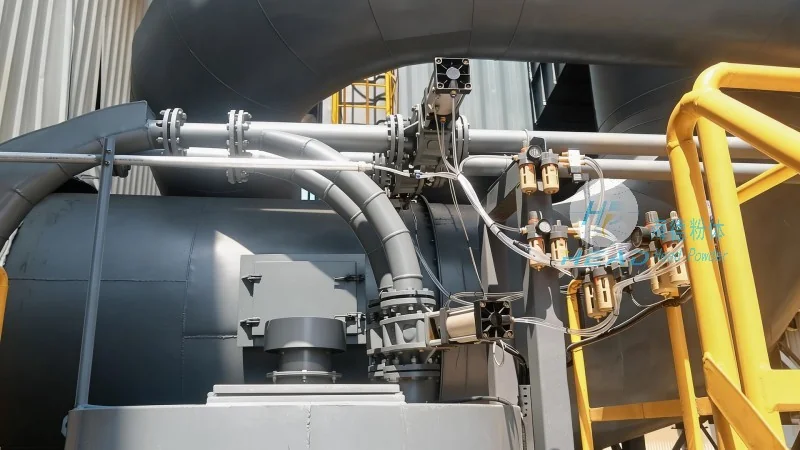
Mechanical screw conveyors are widely used in the industry for transporting a variety of bulk materials, including magnetic powders. This method involves a rotating screw (or auger) inside a trough, which moves the material forward as it rotates. The screw conveyor can operate in both horizontal and inclined positions, making it versatile for different layouts. One of the key advantages of screw conveyors is their ability to handle a wide range of powder types, including those with varying moisture content and particle sizes. They are also relatively simple to install and maintain, with fewer moving parts compared to other systems.
Despite these benefits, screw conveyors have drawbacks when used with magnetic powders. The rotating screw can cause friction and heat generation, which may affect the thermal stability of the powder, especially if it is sensitive to temperature changes. Additionally, the system may experience wear and tear on the screw and trough, particularly with abrasive or hard magnetic powders. The risk of material bridging and blockages is also higher in screw conveyors, as the confined space can trap the powder and prevent smooth flow. Regular cleaning and maintenance are necessary to prevent clogging and ensure consistent performance.
3. Magnetic Separation Conveying Systems
Magnetic separation-based conveying systems utilize magnetic fields to control the movement of magnetic powders. These systems often integrate magnetic elements, such as permanent magnets or electromagnets, into the conveying mechanism to attract and guide the powder. This method is particularly effective for powders that are prone to sticking to metal surfaces or for applications requiring precise control over the powder flow. The primary advantage of magnetic separation systems is their ability to maintain the purity and integrity of the magnetic powder by preventing contamination from non-magnetic materials. They also offer better control over the flow rate and direction, ensuring consistent delivery to the processing equipment.
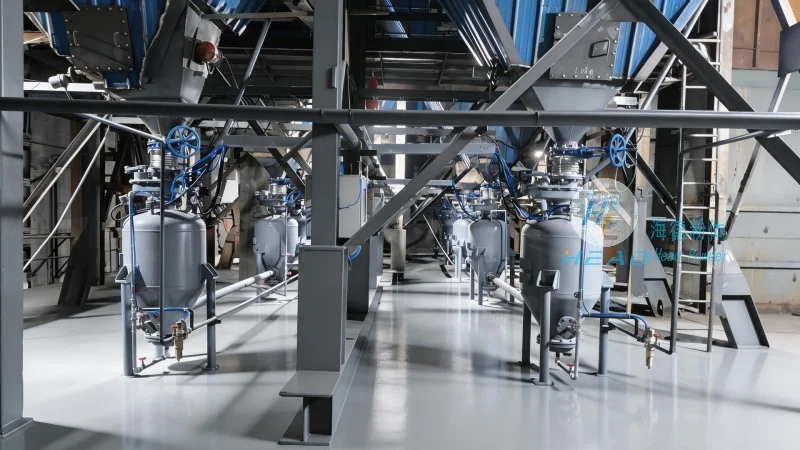
However, magnetic separation systems can be more complex and expensive to install and maintain compared to other methods. The presence of strong magnetic fields may require additional safety measures and specialized components, such as non-magnetic materials for the conveyor parts. The system also needs regular calibration to ensure the magnetic field strength is optimal for the specific powder being handled. Furthermore, the magnetic attraction can sometimes lead to the powder adhering to the conveyor surfaces, causing wear and potential blockages if not properly managed. Proper design and maintenance are essential to mitigate these issues and ensure reliable operation.
4. Vibratory Conveyors
Vibratory conveyors use mechanical vibrations to move magnetic powders along a trough. The system consists of a conveyor bed that is vibrated at a specific frequency and amplitude, causing the powder to move forward. This method is effective for handling powders with poor flow characteristics, such as cohesive or fine powders, as the vibrations help break up agglomerates and improve flowability. Vibratory conveyors are also suitable for both horizontal and inclined applications, providing flexibility in system design.
The main advantage of vibratory conveyors is their ability to handle a wide range of powder types, including those that are difficult to convey with other methods. They are particularly useful for magnetic powders that tend to stick to surfaces or form lumps. The system is relatively low-maintenance, with fewer moving parts compared to screw conveyors. However, vibratory conveyors have some limitations. The vibrations can generate noise and require proper isolation to prevent vibration transmission to the surrounding equipment. The power consumption is also higher compared to gravity flow or screw conveyors, which may increase operational costs. Additionally, the system may not be suitable for very fine powders, as the vibrations can cause excessive dust generation and potential health hazards. Proper sealing and dust control measures are necessary to maintain a safe working environment.
Conclusion
Choosing the right magnetic powder conveying method depends on several factors, including the specific properties of the powder, the layout of the facility, and the required throughput. Shandong HeadPowder Engineering Co., Ltd. offers a range of solutions tailored to meet the unique needs of different industries. By understanding the advantages and disadvantages of each method, manufacturers can select the most efficient and cost-effective system for their magnetic powder handling requirements. Whether it's gravity flow, mechanical screw conveyors, magnetic separation systems, or vibratory conveyors, the goal is to ensure consistent, reliable, and safe transportation of magnetic powders, ultimately enhancing overall operational efficiency and product quality.

 Công ty TNHH Kỹ thuật Công trình Bột Hải Đức Sơn Đông
 156-6277-7102(Quản lý Trương)
  0531-83386006
  Quận Chương Khâu, Thành phố Tế Nam, Tỉnh Sơn Đông, Trung Quốc
Điện thoại
WeChatTư vấn
Lên đầu