Công ty Hải Đức Bột với hơn 10 năm kinh nghiệm vận chuyển khí, cung cấp hệ thống‑thiết bị‑quạt gió và nhận dự án tổng thầu bột cả nước
For construction and industrial applications, the efficient and reliable transport of river sand is crucial. Various conveying methods are employed to meet these demands, each with its own set of advantages and disadvantages. This article provides a detailed comparison of common river sand conveying methods, helping stakeholders make informed decisions based on their specific operational needs. As a trusted partner in material handling solutions, Shandong HeadPowder Engineering Co., Ltd. (HeadPowder) offers expert insights and tailored systems to optimize sand transport processes.
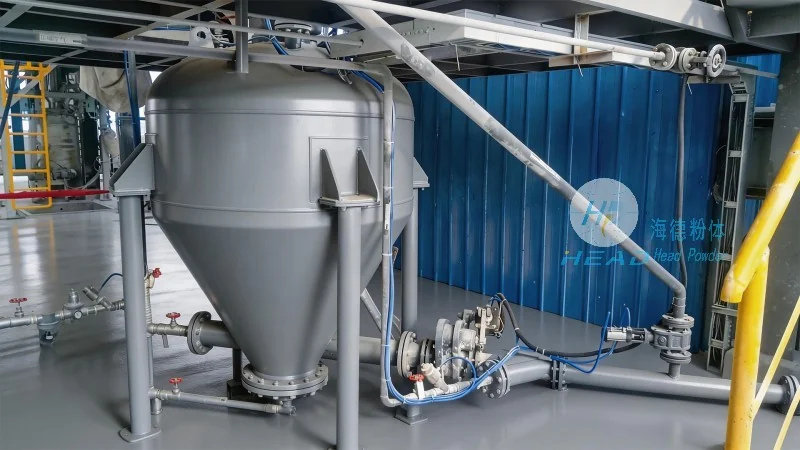
Introduction to River Sand Conveying Methods
River sand, a vital raw material in construction, is often transported over long distances or within complex industrial setups. The choice of conveying method significantly impacts project efficiency, cost, and environmental impact. Key factors to consider include material properties, distance, budget, and environmental regulations. Understanding the strengths and weaknesses of each method is essential for optimizing sand handling processes.
1. Belt Conveyor System
One of the most widely used methods for river sand transport is the belt conveyor. This system consists of a continuous loop of material that moves along a series of rollers or a flat surface. The belt conveyor is known for its high capacity and ability to handle large volumes of sand over long distances. It is particularly effective for horizontal or slightly inclined transport, making it suitable for bulk material handling in mining and construction sites.
The primary advantages of belt conveyors include high throughput, low maintenance costs, and the ability to operate continuously for extended periods. They are also relatively simple to install and can be customized to fit various site configurations. However, belt conveyors have limitations, such as their inefficiency for vertical lifting and the need for regular maintenance to prevent belt wear or breakage. Additionally, they may not be suitable for transporting wet or sticky sand, as this can cause the belt to slip or accumulate material.
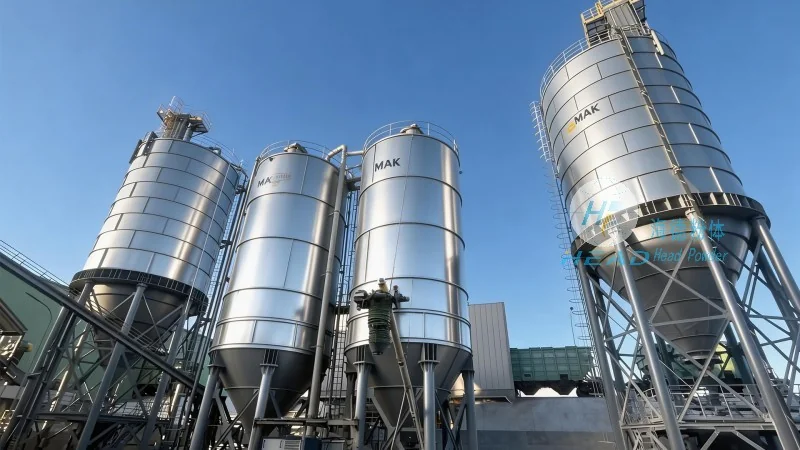
2. Pumping System
For transporting river sand in liquid or slurry form, pumping systems are commonly utilized. These systems use pumps to move the sand-water mixture through pipelines. The most common types include centrifugal pumps and slurry pumps, which are designed to handle abrasive materials like sand.
Pumping systems offer several benefits, including the ability to transport sand over long distances, even vertically, with relatively low energy consumption. They are ideal for applications where the sand is mixed with water, such as in dredging operations or when transporting sand from a quarry to a processing plant. The main drawback is the high cost of installation and maintenance, as pumps and pipelines require regular inspection and replacement due to wear from abrasive materials. Furthermore, pumping systems may not be effective for dry sand, as the liquid medium is necessary to maintain flow.
3. Pneumatic Conveying System
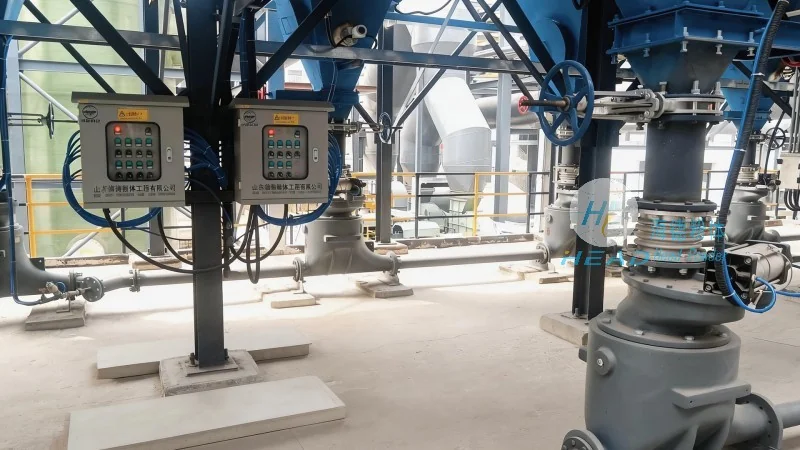
Pneumatic conveying systems use air or other gases to transport dry or loose materials like river sand. These systems consist of a pipeline with a blower or compressor at one end and a receiver at the other. The material is carried by the air stream, which propels it through the system.
The advantages of pneumatic conveying include the ability to transport sand in a dust-free environment, making it suitable for applications where dust control is critical. It also allows for vertical and horizontal transport in a single system, reducing the need for multiple components. However, pneumatic systems have lower capacity compared to belt or pumping systems, and they require higher energy input to maintain the air flow. Additionally, they may not be suitable for very fine or abrasive sand, as this can cause blockages or increased wear on the system components.
4. Screw Conveyor
Screw conveyors, also known as auger conveyors, use a rotating screw to move sand along a trough. This method is suitable for short to medium distances and is commonly used in processing plants where the sand needs to be transferred from one stage to another.
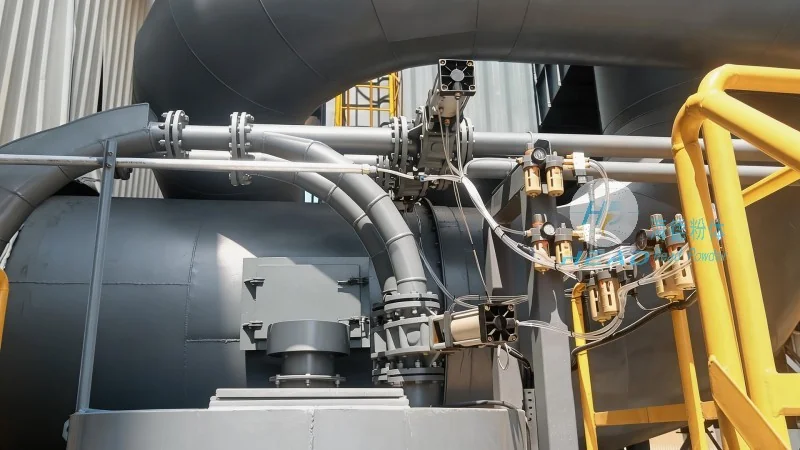
The screw conveyor is advantageous for its simplicity and low cost, as it requires minimal maintenance and can handle a variety of materials, including wet or sticky sand. It is also effective for vertical lifting, making it useful for elevating sand to higher levels. However, screw conveyors have limitations in terms of capacity and are not suitable for long-distance transport. They may also experience wear on the screw and trough due to abrasive materials, leading to higher maintenance costs over time.
Choosing the Right Conveying Method for Your Needs
When selecting a river sand conveying method, it is essential to consider several factors to ensure optimal performance and cost-effectiveness. The distance of transport, the volume of sand to be moved, and the terrain (e.g., horizontal, vertical, or mixed) are critical variables. Additionally, the material properties, such as moisture content and particle size, play a significant role in determining the most suitable system.
For long horizontal distances, belt conveyors are often the most economical choice due to their high capacity and low operating costs. For vertical lifting or when transporting sand in slurry form, pumping systems are preferred. Pneumatic conveying is ideal for applications requiring dust control or for moving dry sand over short to medium distances. Screw conveyors are best suited for short-distance, low-volume applications where simplicity and cost are primary concerns.
Conclusion
Each river sand conveying method has its unique advantages and disadvantages, making the selection process a critical decision for any project. By understanding the specific requirements of the operation and evaluating the pros and cons of each method, stakeholders can choose the most suitable system to enhance efficiency, reduce costs, and ensure compliance with environmental regulations. As a leading provider of engineering solutions, Shandong HeadPowder Engineering Co., Ltd. specializes in designing and implementing customized conveying systems tailored to the needs of various industries. With years of experience in the field, HeadPowder offers expert guidance and high-quality equipment to optimize sand handling processes and support sustainable development in construction and industrial sectors.

 Công ty TNHH Kỹ thuật Công trình Bột Hải Đức Sơn Đông
 156-6277-7102(Quản lý Trương)
  0531-83386006
  Quận Chương Khâu, Thành phố Tế Nam, Tỉnh Sơn Đông, Trung Quốc
Điện thoại
WeChatTư vấn
Lên đầu