Công ty Hải Đức Bột với hơn 10 năm kinh nghiệm vận chuyển khí, cung cấp hệ thống‑thiết bị‑quạt gió và nhận dự án tổng thầu bột cả nước
When it comes to transporting soapstone, selecting the right conveying method is crucial for efficiency, cost-effectiveness, and operational safety. As a leading manufacturer in the field, Shandong HeadPowder Engineering Co., Ltd. provides insights into the common soapstone conveying methods, highlighting their respective advantages and disadvantages. This article aims to help industrial operators make informed decisions based on their specific production needs and operational environments.
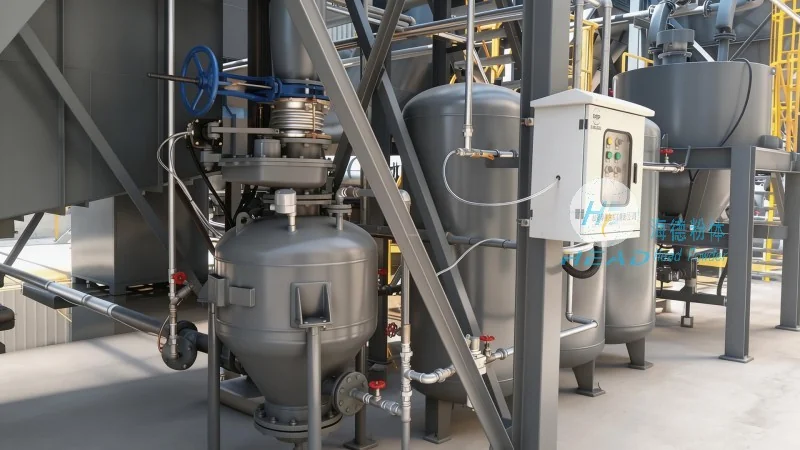
1. Belt Conveyors: Versatility and Cost-Effectiveness
Belt conveyors are one of the most widely used methods for soapstone transportation due to their versatility and relatively low cost. These systems utilize a continuous belt to move material from one point to another, making them suitable for both short and long-distance transport. The primary advantage of belt conveyors is their ability to handle a wide range of material sizes and shapes, including irregularly shaped soapstone pieces. They are also highly adaptable to different production environments, from open-pit mines to processing plants. However, belt conveyors have some drawbacks. They require regular maintenance to ensure the belt remains in good condition, and they may not be as efficient for very heavy or abrasive materials like soapstone, which can cause wear and tear on the belt and rollers. Additionally, belt conveyors can be less flexible in terms of layout changes compared to other methods.
2. Screw Conveyors: Compact and Reliable for Horizontal Transport
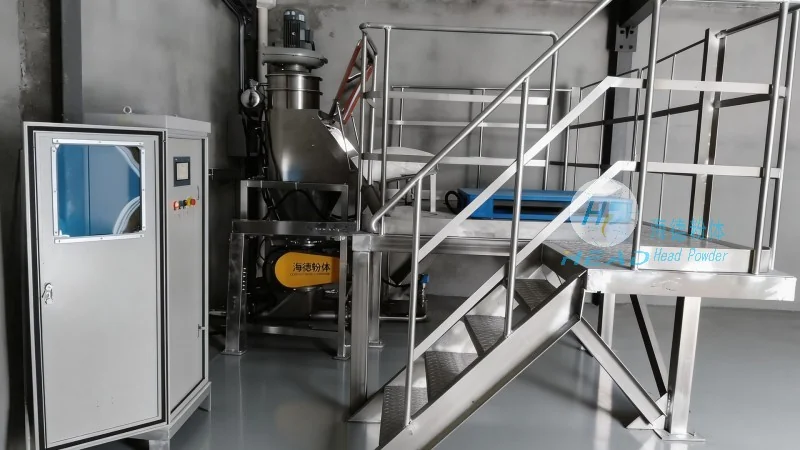
Screw conveyors, also known as auger conveyors, are another popular choice for soapstone transport, especially for horizontal or slightly inclined transport. These systems consist of a rotating screw inside a tube, which pushes the material forward. The main advantage of screw conveyors is their compact design, which saves space in processing facilities. They are also relatively simple to install and maintain, with fewer moving parts compared to other conveyor systems. Screw conveyors are particularly effective for transporting dry, free-flowing materials like soapstone, as they can handle the material without the need for additional equipment. However, they have limitations. Screw conveyors are less suitable for very large or heavy pieces of soapstone, as the screw may not be able to handle the load. They also tend to generate more heat during operation, which could affect the quality of the soapstone if it is heat-sensitive. Furthermore, the material can sometimes become compacted or compacted, leading to blockages if not properly managed.
3. Pneumatic Conveying Systems: Flexible and Dust-Free
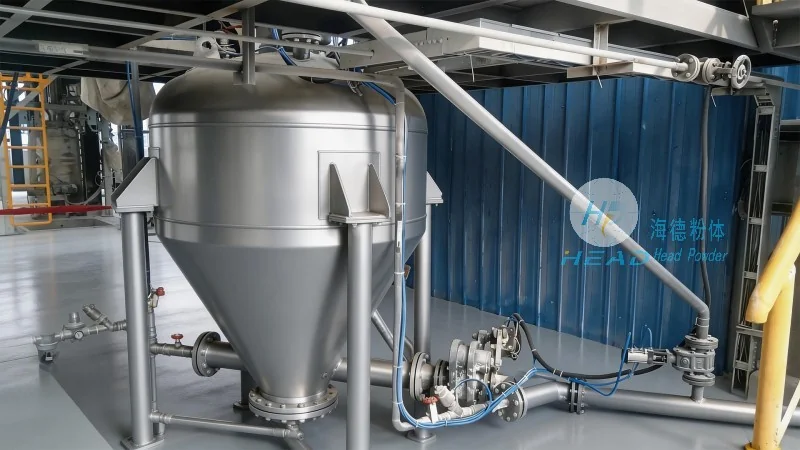
Pneumatic conveying systems use air pressure to transport soapstone through a network of pipes. This method is particularly useful for applications where dust control is a priority, as the material is contained within the system. The primary advantage of pneumatic conveying is its flexibility, as it can be easily integrated into existing production lines and can transport material over long distances without the need for multiple transfer points. It is also relatively quiet and can handle a wide variety of material sizes and shapes. However, pneumatic conveying has significant drawbacks. It is generally more expensive to install and maintain compared to other methods, as it requires specialized equipment and a reliable air supply. The system can also be less efficient for very heavy or abrasive materials like soapstone, as the air pressure may not be sufficient to move the material effectively. Additionally, the system can be prone to blockages if the material is not properly prepared or if the air flow is interrupted.
4. Hydraulic Conveyors: High Capacity and Low Noise
Hydraulic conveyors use hydraulic power to move soapstone through a system of pipes and valves. These systems are particularly effective for high-capacity transport, as they can handle large volumes of material with minimal effort. The main advantage of hydraulic conveyors is their high capacity, making them suitable for large-scale soapstone processing operations. They are also relatively quiet compared to other methods, which can be beneficial in noise-sensitive environments. However, hydraulic conveyors have some disadvantages. They are more complex and expensive to install and maintain, as they require specialized hydraulic equipment and a reliable power source. The system can also be less flexible in terms of layout changes, as the hydraulic components are fixed in place. Additionally, the material can sometimes become compacted or compacted, leading to blockages if not properly managed.
5. Chain Conveyors: Durable and Suitable for Heavy Loads
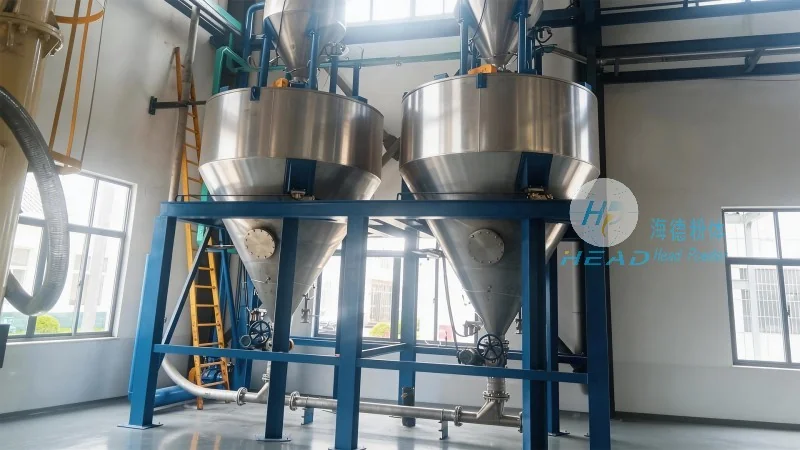
Chain conveyors use a series of chains and sprockets to move soapstone, making them particularly suitable for heavy or abrasive materials like soapstone. These systems are known for their durability and ability to handle high loads, even in harsh operating conditions. The primary advantage of chain conveyors is their ability to handle very heavy or irregularly shaped pieces of soapstone without causing damage to the conveyor system. They are also relatively easy to maintain, as the chains and sprockets are designed to withstand heavy use. However, chain conveyors have some drawbacks. They are generally more expensive to install compared to other methods, as they require specialized components. They also tend to be less flexible in terms of layout changes, as the chain system is fixed in place. Additionally, the system can generate more noise and vibration compared to other methods, which may affect the working environment.
6. Comparison and Selection Criteria
When selecting a soapstone conveying method, several factors should be considered to ensure the best fit for the specific application. The first consideration is the material characteristics, such as size, shape, and weight. For example, belt conveyors may be suitable for irregularly shaped pieces, while screw conveyors are better for horizontal transport of smaller particles. The second factor is the distance and layout of the transport path. For short distances, a simple belt conveyor may suffice, while for long distances, a pneumatic or hydraulic system may be more efficient. The third factor is the operational environment, including factors like dust control, noise levels, and space availability. For example, in environments where dust control is critical, pneumatic conveying may be preferred, while in noise-sensitive areas, a hydraulic system may be more suitable. Finally, the cost of installation, maintenance, and operation should be considered. While some methods may have a lower initial cost, they may have higher long-term costs due to maintenance or efficiency issues.
Conclusion
Choosing the right soapstone conveying method is a critical decision for industrial operators, as it directly impacts the efficiency and cost-effectiveness of their operations. By understanding the advantages and disadvantages of each method, as well as considering the specific requirements of their application, operators can make informed decisions that optimize their production processes. Shandong HeadPowder Engineering Co., Ltd. offers a range of soapstone conveying solutions tailored to meet the diverse needs of industrial clients, ensuring reliable and efficient material transport. Whether you are looking for a cost-effective belt conveyor or a high-capacity hydraulic system, our team of experts can provide the guidance and support needed to select the best solution for your operation.

 Công ty TNHH Kỹ thuật Công trình Bột Hải Đức Sơn Đông
 156-6277-7102(Quản lý Trương)
  0531-83386006
  Quận Chương Khâu, Thành phố Tế Nam, Tỉnh Sơn Đông, Trung Quốc
Điện thoại
WeChatTư vấn
Lên đầu