Công ty Hải Đức Bột với hơn 10 năm kinh nghiệm vận chuyển khí, cung cấp hệ thống‑thiết bị‑quạt gió và nhận dự án tổng thầu bột cả nước
When it comes to transporting ferric sulfate, selecting the right delivery method is crucial for ensuring efficiency, safety, and cost-effectiveness in industrial applications. Ferric sulfate, also known as ferric sulphate, is a widely used chemical in water treatment, wastewater management, and various industrial processes. The choice of delivery method depends on factors such as the volume of the material, the distance it needs to travel, the required speed of delivery, and the specific characteristics of the ferric sulfate solution. This article provides a detailed comparison of common ferric sulfate delivery methods, highlighting their advantages and disadvantages to help industrial operators make informed decisions.
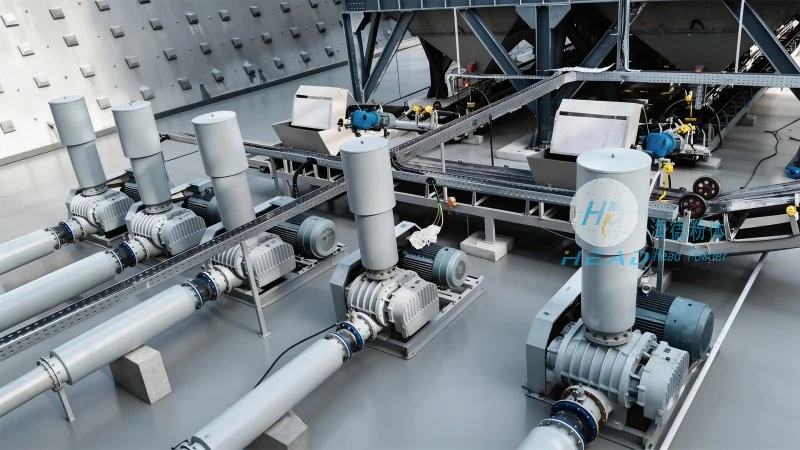
HeadPowder Engineering Co., Ltd., a leading manufacturer and supplier of industrial chemicals, specializes in providing high-quality ferric sulfate products and solutions. With a strong commitment to quality and customer satisfaction, HeadPowder serves clients across China and beyond. The company’s expertise in chemical processing and logistics ensures that ferric sulfate is delivered safely and efficiently, meeting the diverse needs of various industries.
1. Pumping via Centrifugal Pumps
Centrifugal pumps are one of the most common methods for transporting ferric sulfate, especially for large-scale industrial applications. These pumps use centrifugal force to move the liquid through a pipe, making them suitable for high-volume deliveries. The primary advantage of centrifugal pumps is their ability to handle large quantities of ferric sulfate at a consistent flow rate. They are also relatively inexpensive to operate and maintain, with low energy consumption compared to other pumping systems. However, centrifugal pumps may experience issues with clogging if the ferric sulfate solution contains suspended solids or if the pump is not properly maintained. Additionally, they may not be suitable for very viscous solutions, as this can reduce their efficiency and increase wear on the pump components.
2. Bulk Tank Truck Delivery
Bulk tank trucks are another popular method for delivering ferric sulfate, particularly for long-distance transportation. These trucks are equipped with insulated tanks that can maintain the temperature of the ferric sulfate solution, preventing it from solidifying or degrading during transit. The main advantage of bulk tank truck delivery is its ability to transport large volumes of ferric sulfate over long distances without the need for intermediate storage facilities. This method is also cost-effective for large-scale operations, as it eliminates the need for frequent refills or reprocessing. However, bulk tank truck delivery may be less flexible for short-distance or on-demand deliveries, as it requires scheduling and coordination with the trucking company. Additionally, there are safety considerations related to the handling of ferric sulfate, as it can be corrosive and may require special permits for transportation.
3. Piping and Pipeline Systems
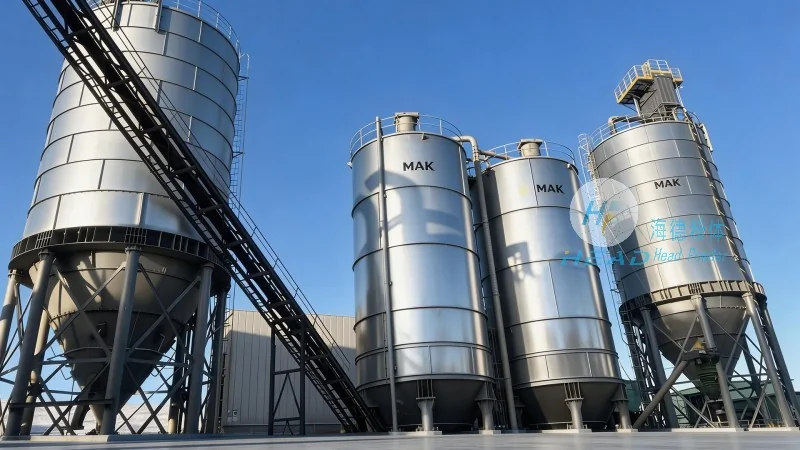
Piping and pipeline systems are commonly used for the internal transportation of ferric sulfate within industrial facilities. These systems consist of a network of pipes connected to pumps and valves, allowing the ferric sulfate to be moved from one point to another within the facility. The primary advantage of piping systems is their ability to provide a continuous and controlled flow of ferric sulfate, ensuring that the chemical is delivered to the treatment units or processing equipment as needed. They are also relatively easy to install and maintain, with minimal downtime required for repairs. However, piping systems may require regular cleaning and maintenance to prevent clogging or corrosion, especially if the ferric sulfate solution contains impurities. Additionally, they may not be suitable for very large volumes or for transportation over long distances, as the cost of pipeline construction and maintenance can be high.
4. Bagging and Bulk Bag Delivery
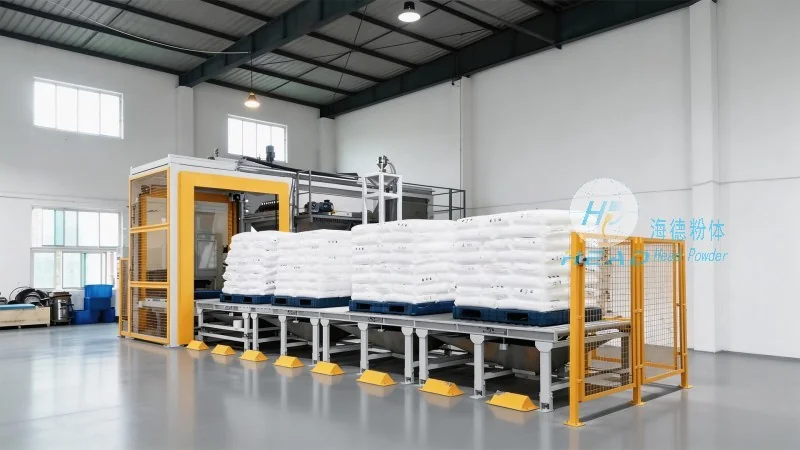
For smaller-scale applications or for transporting ferric sulfate to locations without direct access to pumping or piping systems, bagging and bulk bag delivery is a common method. Ferric sulfate is typically packaged in large, flexible containers called bulk bags or super sacks, which can hold significant quantities of the chemical. The main advantage of this method is its flexibility and ease of handling, as bulk bags can be easily transported by forklifts or other material handling equipment. They are also suitable for on-demand deliveries, as they can be stored on-site and used as needed. However, bulk bag delivery may not be suitable for large-scale operations, as it can be less efficient for high-volume deliveries. Additionally, there are handling considerations related to the weight and bulk of the bulk bags, as they may require specialized equipment to move and store them safely.
5. Advantages and Disadvantages Summary
Each of the delivery methods for ferric sulfate has its own set of advantages and disadvantages, and the choice of method depends on the specific requirements of the industrial application. Centrifugal pumping is ideal for high-volume, continuous flow applications, while bulk tank truck delivery is suitable for long-distance transportation of large volumes. Piping systems are effective for internal facility transportation, and bulk bag delivery is flexible for smaller-scale or on-demand deliveries. It is important for industrial operators to consider factors such as volume, distance, cost, and safety when selecting a delivery method to ensure that the ferric sulfate is delivered efficiently and safely.
HeadPowder Engineering Co., Ltd. provides comprehensive solutions for ferric sulfate delivery, including the selection of appropriate equipment and logistics planning. The company’s expertise in chemical processing and logistics ensures that clients receive the right delivery method for their specific needs, minimizing downtime and maximizing operational efficiency. By partnering with HeadPowder, industrial operators can ensure that their ferric sulfate is delivered safely and effectively, supporting the success of their water treatment or industrial processes.

 Công ty TNHH Kỹ thuật Công trình Bột Hải Đức Sơn Đông
 156-6277-7102(Quản lý Trương)
  0531-83386006
  Quận Chương Khâu, Thành phố Tế Nam, Tỉnh Sơn Đông, Trung Quốc
Điện thoại
WeChatTư vấn
Lên đầu