Công ty Hải Đức Bột với hơn 10 năm kinh nghiệm vận chuyển khí, cung cấp hệ thống‑thiết bị‑quạt gió và nhận dự án tổng thầu bột cả nước
When handling calcium phosphate materials, selecting the appropriate delivery method is crucial for ensuring efficiency, safety, and product quality. Calcium phosphate is widely used in various industries, including pharmaceuticals, food, and agriculture, making reliable and effective transport solutions essential. This article provides a comparative analysis of common calcium phosphate delivery methods, examining their advantages and disadvantages to help businesses make informed decisions.
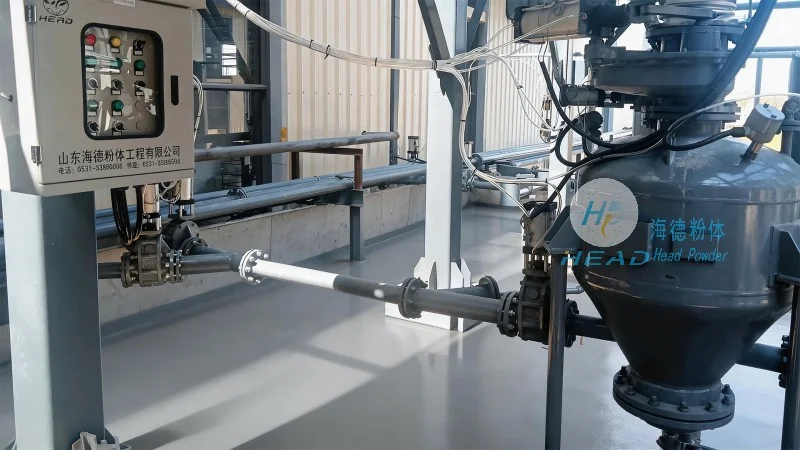
Company Profile: Shandong HeadPowder Engineering Co., Ltd.
Shandong HeadPowder Engineering Co., Ltd. is a leading manufacturer specializing in powder processing equipment and solutions. With a focus on innovation and customer satisfaction, the company provides high-quality equipment tailored to the needs of the calcium phosphate industry. HeadPowder’s expertise in material handling technology ensures that clients receive reliable and efficient systems for transporting calcium phosphate materials. The company’s facilities are located in Shandong, China, where it operates a state-of-the-art production base to meet global demand.
Common Calcium Phosphate Delivery Methods
Several methods are commonly used to transport calcium phosphate, each with distinct characteristics that influence their suitability for different applications. The primary methods include pneumatic conveying, hydraulic conveying (pump systems), and gravity flow systems. Each method has its own set of advantages and disadvantages, which are discussed below.
Pneumatic Conveying: Advantages and Disadvantages
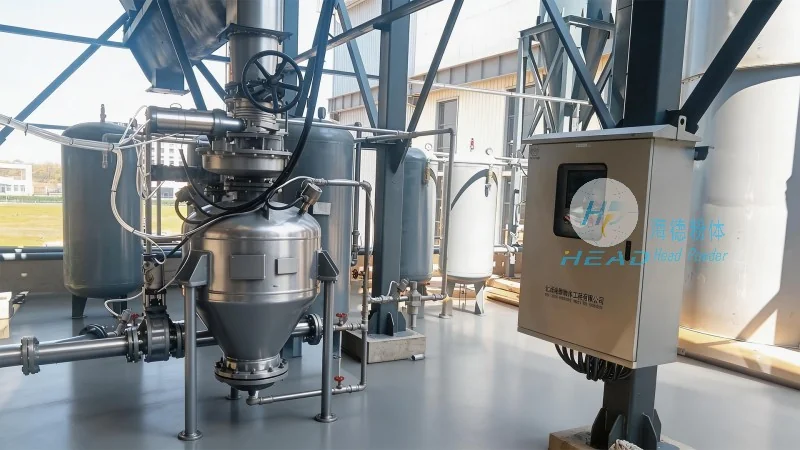
Pneumatic conveying uses air to transport calcium phosphate particles through a pipeline. This method is highly effective for long-distance transport and can handle a wide range of particle sizes. One of the key advantages of pneumatic conveying is its ability to transport materials without direct contact with the pipeline, reducing wear and tear. Additionally, it allows for the integration of dust collection systems, improving safety and environmental compliance. However, pneumatic conveying has significant disadvantages, including high energy consumption and the need for specialized equipment. The system requires a constant supply of compressed air, which can increase operational costs. Furthermore, it may not be suitable for very fine or cohesive powders, as these can cause blockages or reduce efficiency.
Hydraulic Conveying (Pump Systems): Advantages and Disadvantages
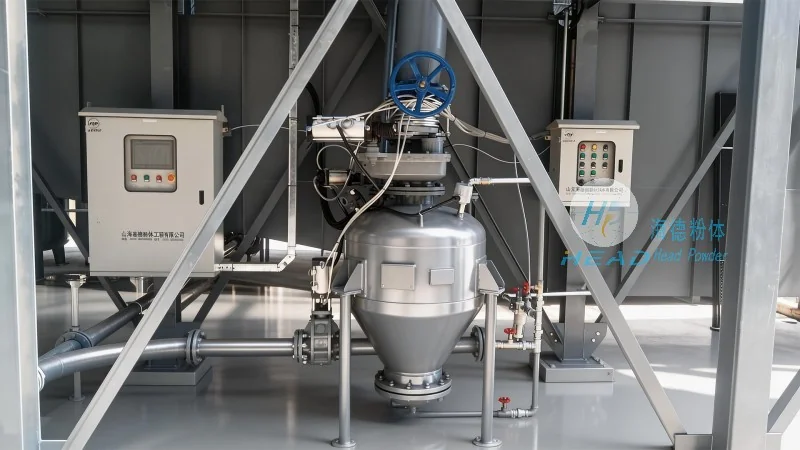
Hydraulic conveying, also known as pump systems, uses a liquid medium (often water or a specialized fluid) to transport calcium phosphate. This method is particularly effective for wet or slurry applications, where the material is mixed with a liquid to form a pumpable slurry. The primary advantage of hydraulic conveying is its ability to handle high volumes of material with relatively low energy consumption compared to pneumatic systems. It also allows for the use of existing water infrastructure, reducing the need for additional equipment. However, hydraulic conveying has notable drawbacks. The system requires regular maintenance to prevent clogging and corrosion, as the liquid medium can cause wear on pump components. Additionally, it may not be suitable for dry powders, as the liquid can cause clumping or reduce the material's quality. The disposal of the liquid waste also presents an environmental challenge.
Gravity Flow Systems: Advantages and Disadvantages
Gravity flow systems rely on the natural force of gravity to transport calcium phosphate from a higher to a lower elevation. This method is simple and low-cost, making it ideal for short-distance transport within a facility. The main advantage of gravity flow is its minimal energy consumption and low maintenance requirements. It does not require any moving parts or external power sources, reducing operational costs and downtime. However, gravity flow systems have significant limitations. They are only suitable for short distances and require a steep incline to ensure proper flow. This makes them impractical for long-distance or multi-level transport. Additionally, they are not suitable for fine or cohesive powders, as these can settle or cause blockages in the pipeline. The system also requires careful design to prevent material buildup and ensure consistent flow.
Choosing the Right Delivery Method for Calcium Phosphate
When selecting a calcium phosphate delivery method, several factors must be considered, including the material's properties, the distance of transport, and the operational requirements. Pneumatic conveying is ideal for long-distance transport and fine powders, while hydraulic conveying is better suited for wet or slurry applications. Gravity flow systems are suitable for short-distance transport within a facility. The choice of method should also consider the cost of equipment, energy consumption, and maintenance requirements. Businesses should evaluate their specific needs and consult with experts, such as Shandong HeadPowder Engineering Co., Ltd., to determine the most appropriate delivery solution.

 Công ty TNHH Kỹ thuật Công trình Bột Hải Đức Sơn Đông
 156-6277-7102(Quản lý Trương)
  0531-83386006
  Quận Chương Khâu, Thành phố Tế Nam, Tỉnh Sơn Đông, Trung Quốc
Điện thoại
WeChatTư vấn
Lên đầu