Công ty Hải Đức Bột với hơn 10 năm kinh nghiệm vận chuyển khí, cung cấp hệ thống‑thiết bị‑quạt gió và nhận dự án tổng thầu bột cả nước
When it comes to handling and transporting powders in industrial settings, selecting the right conveying method is crucial for efficiency, cost-effectiveness, and product integrity. The choice of powder conveying system depends on various factors, including the material's properties, the distance to be covered, the required throughput, and the operational environment. In this article, we explore the most common methods used for powder conveying, highlighting their advantages, applications, and the role of specialized engineering companies like Shandong HeadPowder Engineering Co., Ltd.
Gravity Conveying: A Simple and Efficient Approach
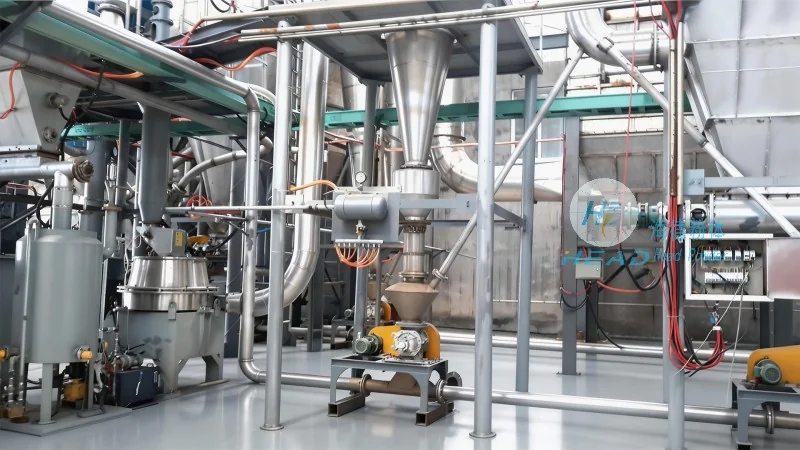
Gravity conveying relies on the natural force of gravity to move powders from a higher elevation to a lower one. This method is often used in applications where the material can flow freely and the vertical drop is sufficient. The system typically consists of a sloped conveyor or chute, which allows the powder to slide down under its own weight. It is a cost-effective solution for short-distance and low-volume powder handling, requiring minimal maintenance and no moving parts. However, its effectiveness is limited by the angle of inclination and the flowability of the material. For instance, in bulk material storage facilities, gravity chutes are commonly used to transfer powders from silos to processing areas, ensuring a smooth and continuous flow without the need for additional power.
Mechanical Conveying Systems: Versatile and Reliable Solutions
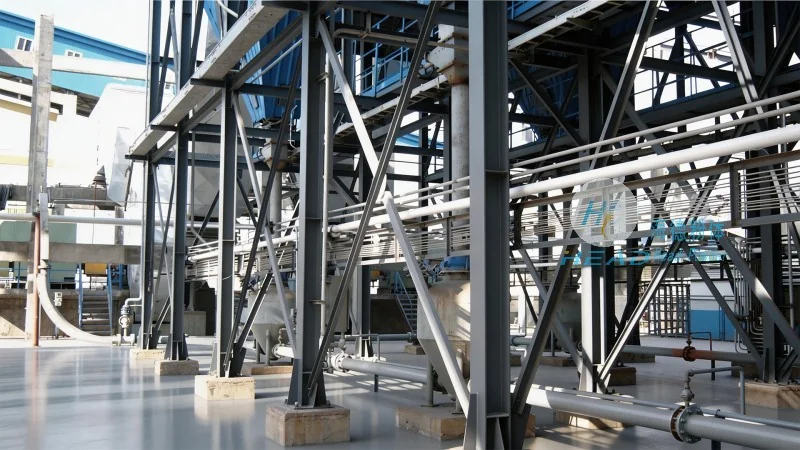
Mechanical conveying systems utilize mechanical components to transport powders, offering greater control and adaptability compared to gravity methods. These systems include screw conveyors, belt conveyors, and bucket elevators, each designed for specific material characteristics and operational requirements. Screw conveyors, also known as auger conveyors, use a rotating helical screw to push powders forward. They are ideal for handling dry, free-flowing powders and can operate in both horizontal and inclined configurations. The design allows for enclosed or open construction, providing options for dust control and material containment. Belt conveyors, on the other hand, use a continuous belt to move powders, suitable for longer distances and higher throughput. They are commonly used in industries such as food processing and mining, where the material may be abrasive or require gentle handling. Bucket elevators are vertical or inclined conveyors that use buckets attached to a chain or belt to lift and transport powders. They are particularly effective for vertical transport, capable of handling large volumes of material with minimal space requirements. Companies like Shandong HeadPowder Engineering Co., Ltd. specialize in designing and manufacturing these mechanical systems, ensuring durability and efficiency for various industrial applications.
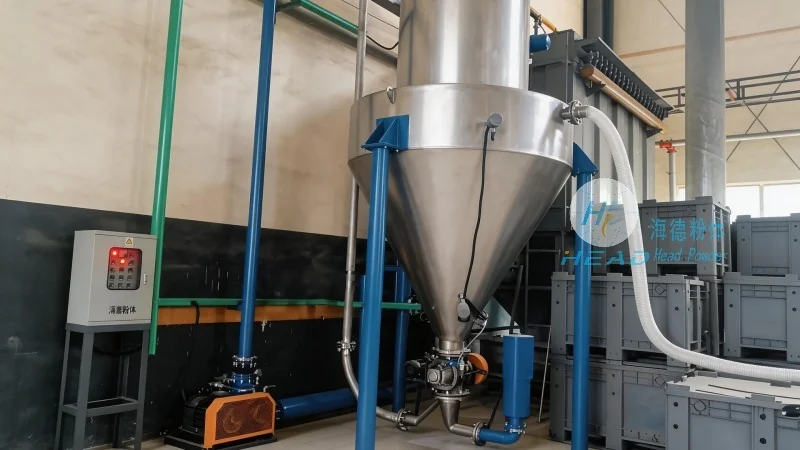
Air-Driven Conveying: High-Speed and Flexible Powder Transport
Air-driven or pneumatic conveying systems use compressed air to transport powders through a pipeline. This method is highly versatile, capable of handling a wide range of materials, from fine powders to bulk solids, and can operate over long distances with minimal maintenance. The system typically consists of a blower, a hopper, and a pipeline network, with the powder being drawn into the system by the air flow. There are two main types of pneumatic conveying: pressure and vacuum. Pressure systems use compressed air to push the material through the pipeline, while vacuum systems use a vacuum to pull the material. The choice between the two depends on the material's flowability, the distance to be covered, and the required throughput. Air-driven conveyors are particularly useful in applications where dust control is critical, as the material is contained within the pipeline. They are commonly used in pharmaceutical, chemical, and food industries, where hygiene and product purity are paramount. However, they may require more energy compared to mechanical systems and can be more complex to install and maintain. Shandong HeadPowder Engineering Co., Ltd. offers advanced air-driven conveying solutions tailored to meet the specific needs of different industries, ensuring reliable and efficient powder transport.
Specialized Engineering for Optimal Powder Handling
Shandong HeadPowder Engineering Co., Ltd., operating under the brand name headpowder, is a leading provider of powder handling solutions. With a focus on innovation and customer-centric design, the company specializes in the development and manufacturing of various conveying systems tailored to meet the unique requirements of different industries. By leveraging advanced engineering techniques and materials, headpowder ensures that its products are durable, efficient, and compliant with industry standards. The company's expertise extends to the integration of different conveying methods, allowing for customized solutions that optimize material flow, reduce downtime, and enhance overall operational efficiency. Whether it's gravity, mechanical, or air-driven systems, headpowder provides comprehensive support from design and installation to maintenance and troubleshooting. The company's commitment to quality and customer satisfaction has made it a trusted partner for businesses seeking reliable powder conveying solutions. Headquartered in Shandong, China, headpowder serves a diverse range of industries, including food processing, pharmaceuticals, chemicals, and mining, delivering tailored solutions that address specific challenges in powder handling.

 Công ty TNHH Kỹ thuật Công trình Bột Hải Đức Sơn Đông
 156-6277-7102(Quản lý Trương)
  0531-83386006
  Quận Chương Khâu, Thành phố Tế Nam, Tỉnh Sơn Đông, Trung Quốc
Điện thoại
WeChatTư vấn
Lên đầu