Công ty Hải Đức Bột với hơn 10 năm kinh nghiệm vận chuyển khí, cung cấp hệ thống‑thiết bị‑quạt gió và nhận dự án tổng thầu bột cả nước
Carboxymethyl cellulose (CMC) is a widely used industrial chemical, and its efficient transportation is crucial for various applications. The methods employed to transport CMC vary based on factors such as the form of the material (powder, granules, or liquid), the distance of transport, and the specific requirements of the end-user. Understanding these transportation methods is essential for ensuring product integrity and minimizing handling issues. As a leading manufacturer of CMC, Shandong HeadPowder Engineering Co., Ltd. (headpowder) provides comprehensive solutions for the transportation and handling of CMC, ensuring that customers receive high-quality products delivered efficiently.
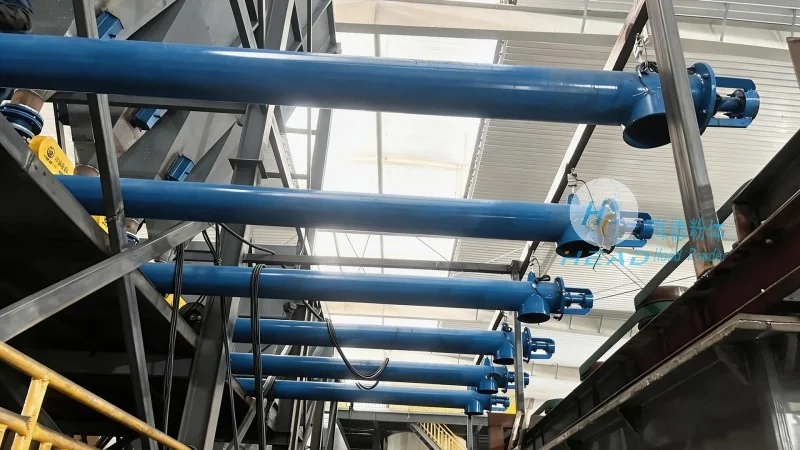
Common Transportation Methods for CMC
There are several standard methods used to transport carboxymethyl cellulose, each tailored to different scenarios. The primary methods include bulk shipping via trucks or rail, containerized transport for international shipments, and specialized handling for liquid or slurry forms. Each method has its advantages and considerations, which are discussed below.
Bulk Truck Transportation
Bulk truck transportation is a common and flexible method for moving large quantities of CMC powder or granules. This approach is particularly suitable for local or regional deliveries where the distance is moderate. Trucks equipped with specialized containers, such as bulk tanks or enclosed trailers, are used to prevent contamination and maintain the material's quality. The process typically involves loading the CMC into the truck at the manufacturing facility, followed by transportation to the customer's site. This method allows for real-time delivery and can accommodate varying order sizes, making it a popular choice for many industries.
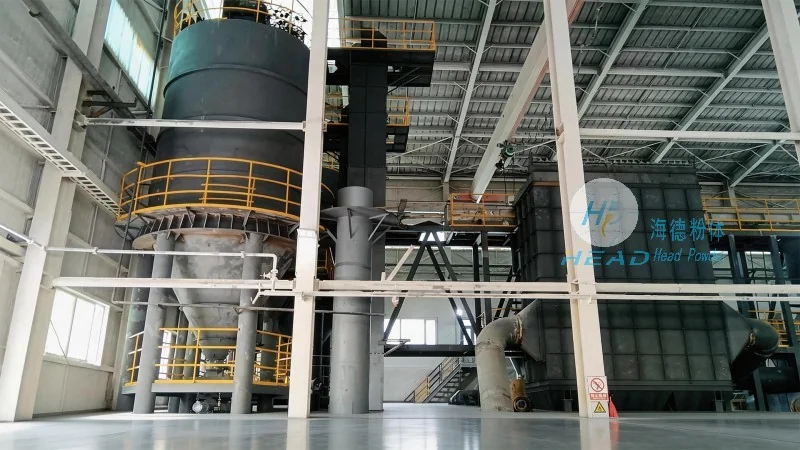
Railway Transport
For longer distances, especially when transporting large volumes, railway transport becomes an efficient option. Railcars designed for bulk cargo, including covered hoppers or open-top wagons, are used to carry CMC. This method reduces fuel consumption per ton compared to truck transport and can handle higher volumes, making it cost-effective for intercity or interregional movements. However, it may involve additional handling steps at rail terminals, which could affect the material's condition if not managed properly.
Containerized Shipping
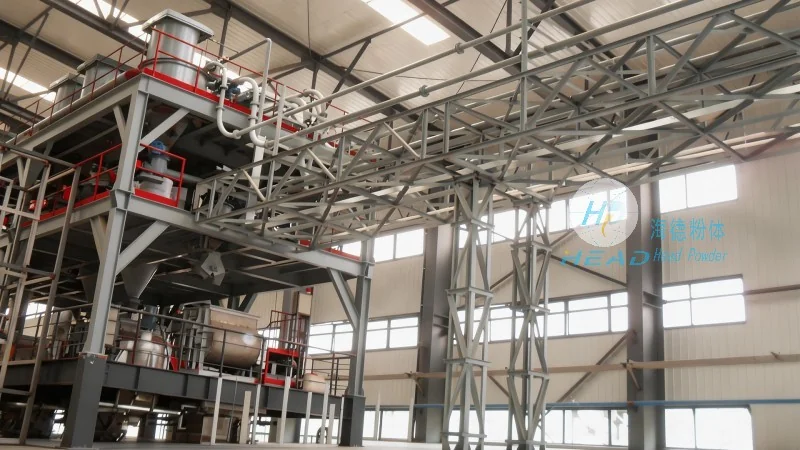
For international or cross-border transportation, containerized shipping is widely adopted. CMC is often packaged in bulk containers, such as ISO tanks or standard shipping containers, to ensure secure and hygienic transport. This method is particularly useful when dealing with liquid CMC or when the destination is overseas. The containers are sealed and labeled according to international shipping standards, ensuring compliance with regulations and minimizing the risk of spillage or contamination during transit. Containerized transport also allows for easy tracking and documentation, which is beneficial for supply chain management.
Specialized Handling for Liquid or Slurry Forms
When CMC is in liquid or slurry form, specialized transportation methods are required to maintain its consistency and prevent degradation. This often involves the use of tanker trucks or pipelines. Tanker trucks are equipped with agitation systems to keep the liquid CMC in a homogeneous state, preventing sedimentation or separation. Pipelines are used for large-scale, continuous transport, particularly in industrial settings where the material is used as a processing aid. These methods require careful monitoring of temperature and pressure to ensure the material remains stable throughout the journey.
Factors Influencing the Choice of Transportation Method
The selection of the most appropriate transportation method for CMC depends on several key factors. The first is the physical form of the CMC: powder, granules, or liquid. Powder and granules are typically transported by trucks or rail, while liquid forms may require tanker trucks or pipelines. The distance of the transport is another critical factor; short distances favor truck transport, while long distances may involve rail or containerized shipping. The volume of the order also plays a role, as bulk methods are more economical for large quantities. Additionally, the destination's infrastructure and the need for temperature control (if applicable) can influence the choice. For example, if the CMC is sensitive to moisture or temperature changes, specialized containers or insulated trucks may be necessary.
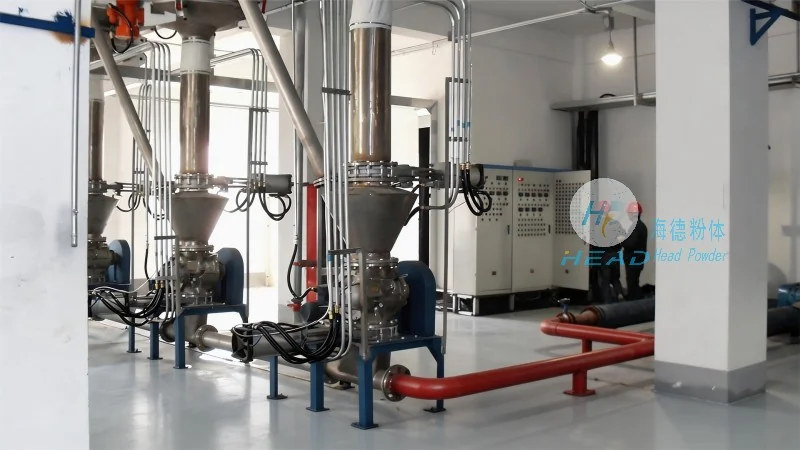
Ensuring Product Integrity During Transportation
Regardless of the transportation method chosen, maintaining the quality and integrity of CMC is paramount. This involves proper packaging, secure loading, and adherence to handling protocols. For bulk truck transport, the containers are often lined with non-reactive materials to prevent contamination from the truck interior. For liquid CMC, the tanker trucks are cleaned and sanitized before loading to avoid cross-contamination. During transit, the trucks or railcars are monitored for any signs of damage or leakage. At the destination, the material is inspected for any changes in appearance or properties before acceptance. These measures help ensure that the CMC delivered to the customer meets the required specifications and is suitable for its intended use.
Conclusion
In summary, the transportation of carboxymethyl cellulose involves a range of methods tailored to different needs. From bulk truck and railway transport for powders to containerized shipping and specialized handling for liquids, each method has its advantages and considerations. The choice of method depends on factors such as the form of the material, distance, volume, and destination requirements. By selecting the appropriate transportation method and following best practices for handling and storage, companies can ensure the efficient and safe delivery of CMC, supporting the needs of various industries.

 Công ty TNHH Kỹ thuật Công trình Bột Hải Đức Sơn Đông
 156-6277-7102(Quản lý Trương)
  0531-83386006
  Quận Chương Khâu, Thành phố Tế Nam, Tỉnh Sơn Đông, Trung Quốc
Điện thoại
WeChatTư vấn
Lên đầu