Công ty Hải Đức Bột với hơn 10 năm kinh nghiệm vận chuyển khí, cung cấp hệ thống‑thiết bị‑quạt gió và nhận dự án tổng thầu bột cả nước
When it comes to transporting silica sand, selecting the right method is crucial for ensuring efficiency, cost-effectiveness, and operational safety. Silica sand, a key raw material in various industries such as construction, glass manufacturing, and foundries, requires reliable transport solutions to meet production demands. This article provides a detailed comparison of common silica sand transport methods, highlighting their advantages and disadvantages to help businesses make informed decisions.
Overview of Silica Sand Transport Methods
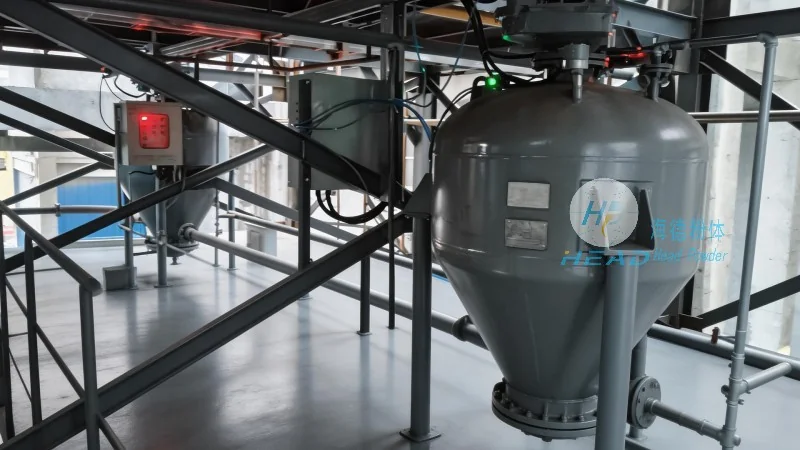
Silica sand, also known as quartz sand, is a granular material composed primarily of silicon dioxide (SiO₂). Its transport involves moving large quantities of this fine to medium-grained material from its source to processing facilities or end-users. The primary transport methods include bulk handling systems like conveyor belts, pneumatic conveying, and truck or rail transport. Each method has distinct characteristics that influence its suitability for different applications and operational environments.
Belt Conveyor Systems: Efficiency and Versatility
Belt conveyors are among the most widely used methods for transporting silica sand due to their efficiency and adaptability. These systems consist of a continuous belt that moves material along a fixed path, often elevated or at ground level. The primary advantages of belt conveyors include high capacity, low maintenance costs, and the ability to transport materials over long distances with minimal energy consumption. They are particularly effective for horizontal or slightly inclined transport, making them ideal for industrial settings where large volumes of silica sand need to be moved continuously.
However, belt conveyors have limitations. They require significant space for installation, and their operation may be affected by material properties such as moisture content or abrasiveness. Additionally, belt wear and tear can increase maintenance costs over time, especially when handling abrasive silica sand. Moreover, the initial investment for a belt conveyor system can be substantial, which may be a barrier for smaller operations.
Pneumatic Conveying: Flexible and Dust-Free
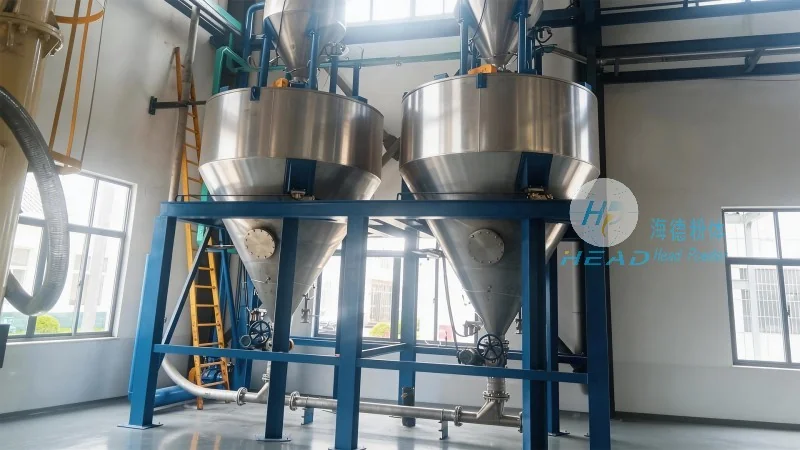
Pneumatic conveying uses air pressure to transport silica sand through a pipeline system. This method is highly flexible, allowing for vertical, horizontal, or mixed-direction transport. One of the key advantages of pneumatic conveying is its ability to handle fine or dusty materials without the need for additional equipment like buckets or buckets. It also provides a dust-free environment, which is beneficial for maintaining workplace safety and compliance with environmental regulations.
Despite these benefits, pneumatic conveying has its drawbacks. The system requires higher energy consumption compared to other methods, as it relies on compressed air to move the material. Additionally, the pressure drop in long pipelines can reduce the system's efficiency, making it less suitable for very long distances. Furthermore, the initial setup cost for pneumatic conveying is often higher than for belt conveyors, and the system may be more complex to maintain due to the need for air compressors and filtration systems.
Truck and Rail Transport: Mobility and Accessibility
Truck and rail transport are essential for moving silica sand over medium to long distances, especially when the material needs to be delivered to remote locations or integrated into larger supply chains. Trucks offer flexibility in terms of route and delivery time, making them suitable for smaller quantities or irregular transport schedules. Rail transport, on the other hand, is ideal for bulk shipments, providing high capacity and lower per-unit transportation costs over long distances.
Truck transport has the advantage of being able to access areas that may not be served by rail infrastructure, such as construction sites or remote processing facilities. However, it is subject to traffic conditions and fuel costs, which can impact operational efficiency and cost. Rail transport, while cost-effective for large volumes, requires fixed infrastructure and may have longer lead times for loading and unloading.
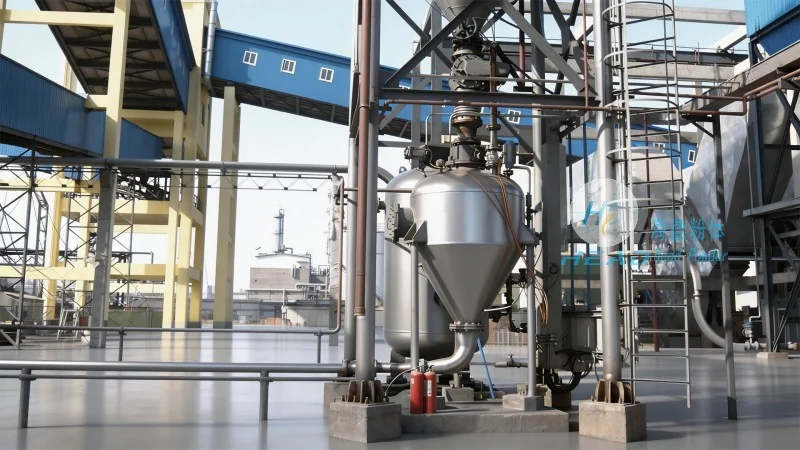
Comparative Analysis: Choosing the Right Method
When selecting a silica sand transport method, several factors must be considered, including the volume of material to be transported, the distance involved, the operational environment, and the budget. Belt conveyors are generally the most cost-effective for continuous, large-scale transport over short to medium distances. Pneumatic conveying is preferred for applications requiring flexibility, dust control, or the transport of fine materials. Truck and rail transport are suitable for bulk shipments over longer distances or when mobility is a priority.
For businesses operating in industrial settings, the choice of transport method can significantly impact overall operational efficiency and cost. It is essential to evaluate the specific requirements of the silica sand supply chain and select a method that aligns with these needs. By understanding the advantages and disadvantages of each transport method, companies can make informed decisions that enhance productivity and reduce operational risks.
Conclusion
In conclusion, the selection of a silica sand transport method is a critical decision that affects the efficiency and cost-effectiveness of silica sand operations. Belt conveyors offer high capacity and low maintenance, while pneumatic conveying provides flexibility and dust control. Truck and rail transport are suitable for bulk and long-distance transport. By carefully considering the specific needs of the operation, businesses can choose the most appropriate transport method to ensure smooth and reliable silica sand supply.

 Công ty TNHH Kỹ thuật Công trình Bột Hải Đức Sơn Đông
 156-6277-7102(Quản lý Trương)
  0531-83386006
  Quận Chương Khâu, Thành phố Tế Nam, Tỉnh Sơn Đông, Trung Quốc
Điện thoại
WeChatTư vấn
Lên đầu