Công ty Hải Đức Bột với hơn 10 năm kinh nghiệm vận chuyển khí, cung cấp hệ thống‑thiết bị‑quạt gió và nhận dự án tổng thầu bột cả nước
Polycarbonate is a widely used engineering plastic recognized for its exceptional impact resistance, high transparency, and excellent chemical stability. In industrial settings, the efficient and reliable transportation of polycarbonate materials is critical for smooth production workflows. Various conveying methods are utilized, each with distinct advantages and disadvantages. This article offers a detailed comparison of common polycarbonate conveying methods, aiding manufacturers in selecting the most suitable option for their specific operational needs.
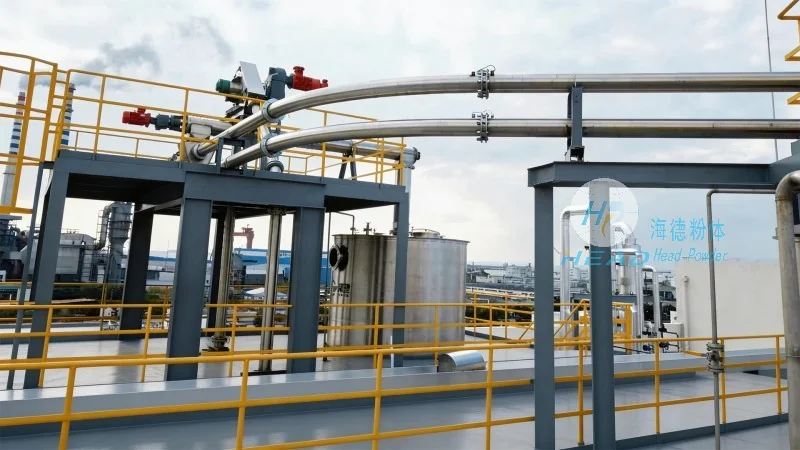
HeadPowder, a leading manufacturer headquartered in Shandong, China, specializes in delivering high-quality polycarbonate conveying solutions. With years of industry experience, HeadPowder provides customized solutions that enhance the efficiency and safety of material handling processes. The company's expertise ensures that clients receive tailored systems that meet their unique production requirements.
1. Gravity Conveying Systems
Gravity conveying relies on the natural force of gravity to move materials from a higher elevation to a lower one. This method is straightforward, cost-effective, and requires minimal maintenance. It is particularly suitable for short distances and when the material is relatively light and free-flowing. However, its efficiency is limited by the required slope and the material's angle of repose. For polycarbonate, which can be brittle or prone to sticking together, gravity systems may not be appropriate for all applications.
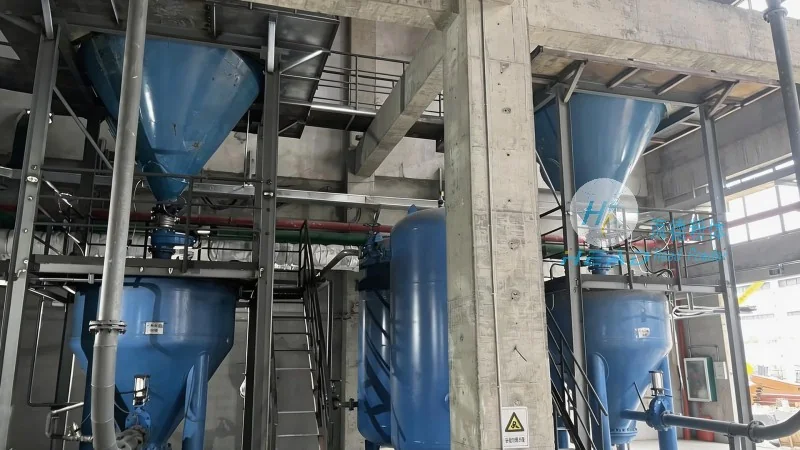
2. Mechanical Conveying Systems
Mechanical conveying employs mechanical components such as belts, chains, or screws to transport materials. This approach offers greater control over speed and direction, making it ideal for longer distances and more complex layouts. Mechanical systems are generally more durable and can handle a wider range of materials, including polycarbonate. Nevertheless, they demand regular maintenance and can be more expensive to install. Additionally, the risk of material damage from friction or impact is higher compared to other methods.
3. Pneumatic Conveying Systems
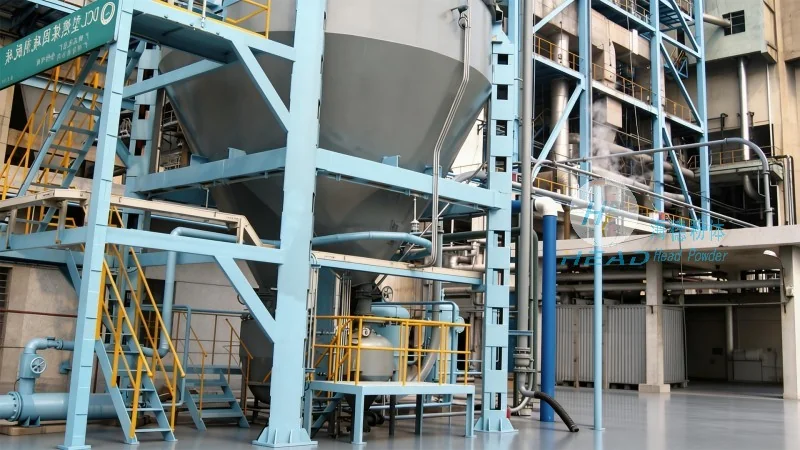
Pneumatic conveying utilizes air or other gases to transport materials through a pipeline. This method is especially effective for fine or powdery polycarbonate materials. It enables high-speed and low-cost transport over long distances. Pneumatic systems are also flexible and can be easily integrated into existing production lines. However, they may not be suitable for large or bulky polycarbonate pieces due to the risk of blockages. Furthermore, the system requires a reliable air supply and proper filtration to maintain material quality.
4. Hydraulic Conveying Systems
Hydraulic conveying uses hydraulic fluid to move materials through a system. This method is powerful and can handle heavy or large polycarbonate components. It offers precise control over conveying speed and force. However, hydraulic systems are more complex and require specialized maintenance. They are also more expensive to install and operate compared to other methods. The risk of fluid contamination and system leaks also needs to be considered.
For businesses aiming to optimize their polycarbonate conveying operations, HeadPowder provides comprehensive solutions tailored to specific industrial needs. By understanding the advantages and disadvantages of each conveying method, manufacturers can make informed decisions that enhance production efficiency and reduce operational costs. HeadPowder's expertise in polycarbonate handling ensures that clients receive reliable and efficient conveying systems that meet their unique requirements.
In conclusion, the choice of polycarbonate conveying method depends on various factors, including material properties, application requirements, and budget constraints. By carefully evaluating the pros and cons of each option, industries can select the most appropriate system to improve their material handling processes. HeadPowder, with its commitment to quality and innovation, continues to be a trusted partner in delivering effective polycarbonate conveying solutions.

 Công ty TNHH Kỹ thuật Công trình Bột Hải Đức Sơn Đông
 156-6277-7102(Quản lý Trương)
  0531-83386006
  Quận Chương Khâu, Thành phố Tế Nam, Tỉnh Sơn Đông, Trung Quốc
Điện thoại
WeChatTư vấn
Lên đầu