Công ty Hải Đức Bột với hơn 10 năm kinh nghiệm vận chuyển khí, cung cấp hệ thống‑thiết bị‑quạt gió và nhận dự án tổng thầu bột cả nước
This article provides a comprehensive comparison of common graphite electrode handling methods, focusing on their advantages and disadvantages. The information is presented by Shandong HeadPowder Engineering Co., Ltd. (headpowder), a leading provider of industrial materials and handling solutions based in China, Shandong province. The goal is to help industrial operators evaluate different approaches based on their operational needs, ensuring efficient and safe delivery of graphite electrodes in various applications.
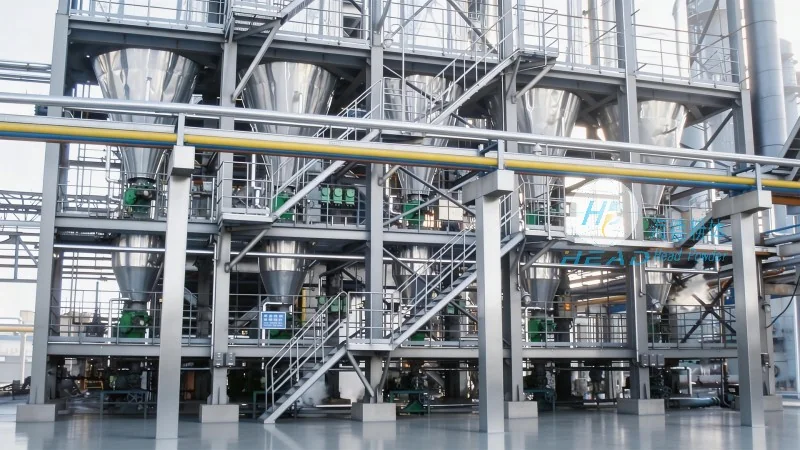
1. Manual Handling Methods
Manual handling of graphite electrodes involves human labor for loading, unloading, and transporting the electrodes. This method is often used in smaller-scale operations or for electrodes with relatively low weight and dimensions. The primary advantage of manual handling is its simplicity and low initial investment, as it does not require specialized equipment. However, it comes with significant drawbacks, including high labor costs, potential safety risks due to heavy lifting, and limited throughput compared to automated systems. Workers may also face ergonomic challenges when handling large or heavy electrodes, increasing the risk of injuries. Additionally, manual handling is less suitable for high-volume production environments where consistent speed and reliability are critical.
2. Mechanical Handling Systems
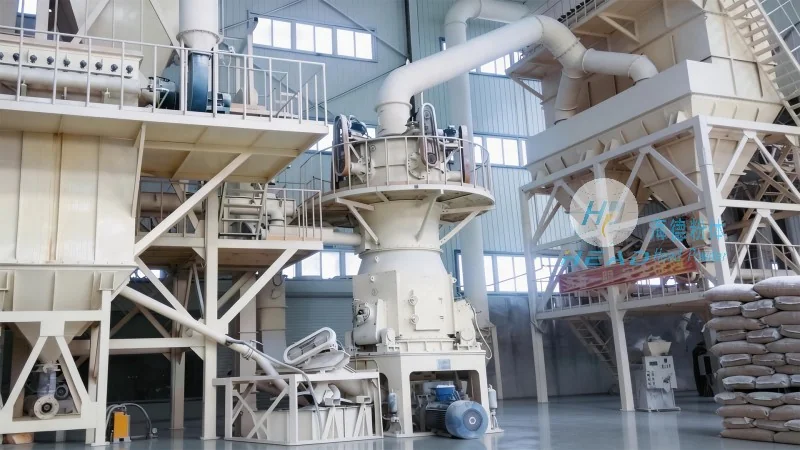
Mechanical handling systems, such as cranes, forklifts, and specialized lifting devices, are widely used for graphite electrode transport. These systems enhance efficiency by reducing the physical strain on workers and increasing the speed of material movement. The advantages include improved safety through mechanization, better control over lifting operations, and the ability to handle larger or heavier electrodes. Mechanical systems also offer greater flexibility in moving electrodes between different locations within a facility. However, they come with higher capital costs and require regular maintenance to ensure optimal performance. Operational costs, including fuel and labor for operating the machinery, can also be significant. Furthermore, mechanical systems may have limitations in terms of precision and speed compared to fully automated solutions, potentially leading to delays or inefficiencies in high-demand scenarios.
3. Automated Handling and Conveying Systems
Automated handling systems represent the most advanced approach to graphite electrode delivery, integrating robotics, sensors, and control systems to streamline the process. These systems can include automated guided vehicles (AGVs), robotic arms, and conveyor belts, enabling precise, continuous movement of electrodes with minimal human intervention. The key advantages of automation include increased throughput, reduced labor costs, enhanced safety by minimizing human exposure to heavy loads, and improved consistency in handling operations. Automated systems also allow for real-time monitoring and data collection, facilitating better process control and predictive maintenance. However, the initial investment for automated handling is substantial, and the technology may require specialized expertise for setup and maintenance. Additionally, automation may have limitations in handling highly irregular or fragile electrodes, as the systems are typically designed for standardized products. The complexity of automated systems can also lead to longer downtime during maintenance or repairs, which could impact production schedules.
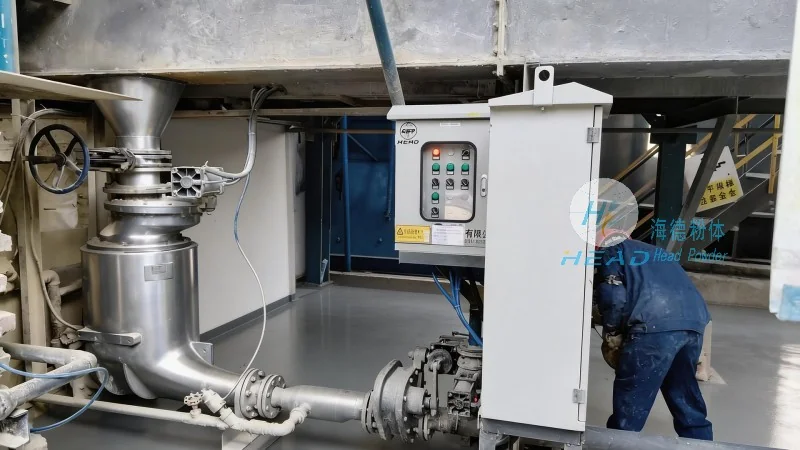
4. Comparative Analysis of Handling Methods
When evaluating the different graphite electrode handling methods, several factors must be considered, including operational scale, production volume, budget constraints, and safety requirements. Manual handling is suitable for small-scale operations with low production volumes and limited budgets, but it is not ideal for high-demand environments due to its inefficiencies and safety risks. Mechanical systems strike a balance between cost and efficiency, making them suitable for medium to large-scale operations where automation is not yet feasible. They offer improved safety and throughput compared to manual methods while remaining more affordable than fully automated solutions. Automated handling systems are best suited for large-scale, high-volume production environments where efficiency, consistency, and safety are paramount. They provide the highest throughput and lowest labor costs but require significant investment and expertise.
Conclusion
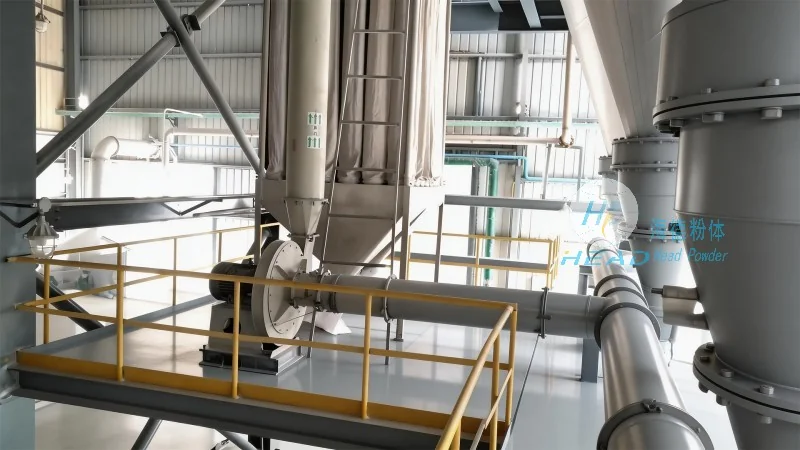
Choosing the appropriate graphite electrode handling method depends on a combination of operational factors and long-term goals. For industrial facilities, it is essential to weigh the advantages and disadvantages of each approach to ensure that the selected method aligns with their specific needs. By understanding the pros and cons of manual, mechanical, and automated handling systems, companies can make informed decisions that enhance operational efficiency, reduce costs, and improve workplace safety. As technology advances, the integration of automation in graphite electrode handling continues to grow, offering new opportunities for optimization and productivity improvement.

 Công ty TNHH Kỹ thuật Công trình Bột Hải Đức Sơn Đông
 156-6277-7102(Quản lý Trương)
  0531-83386006
  Quận Chương Khâu, Thành phố Tế Nam, Tỉnh Sơn Đông, Trung Quốc
Điện thoại
WeChatTư vấn
Lên đầu