Công ty Hải Đức Bột với hơn 10 năm kinh nghiệm vận chuyển khí, cung cấp hệ thống‑thiết bị‑quạt gió và nhận dự án tổng thầu bột cả nước
When it comes to processing agricultural residues like corn stalks, the efficiency and reliability of material handling systems are critical factors that impact overall production. Among the various technologies available, different conveying methods have been developed to address the unique challenges of transporting corn stalks from one location to another. This article provides a detailed comparison of common corn stalk conveying methods, examining their respective advantages and disadvantages to help agricultural and industrial operators make informed decisions.
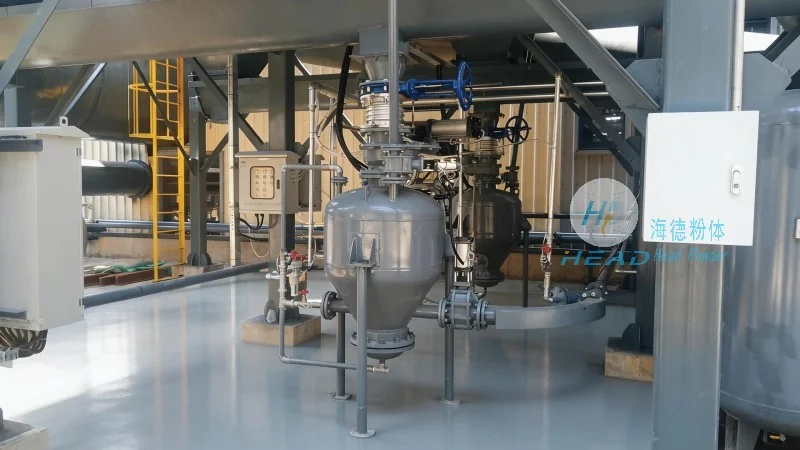
Overview of Corn Stalk Conveying Systems
Corn stalks, as a byproduct of corn harvesting, are often used for biofuel production, animal bedding, or as raw material for various industrial applications. The physical properties of corn stalks—such as their length, moisture content, and bulk density—make them challenging to handle. Effective conveying systems must be able to transport these materials without excessive breakage, ensure consistent flow rates, and minimize energy consumption. The choice of conveying method depends on several factors, including the scale of operation, the distance to be covered, and the specific requirements of the downstream processing equipment.
Screw Conveyor (Auger Conveyor) for Corn Stalks
A screw conveyor, also known as an auger conveyor, is one of the most widely used methods for transporting corn stalks. This system consists of a rotating helical screw blade mounted inside a trough or tube. As the screw rotates, it pushes the material forward along the length of the conveyor. The design of the screw, including its pitch (the distance between adjacent flights) and diameter, is tailored to the characteristics of the corn stalks being handled. For corn stalks, a larger pitch and a slightly larger diameter are typically recommended to prevent blockages and ensure smooth movement.
The advantages of screw conveyors for corn stalks include their simplicity, low maintenance requirements, and ability to operate in a vertical or inclined position. They are particularly effective for short to medium distances and can handle a wide range of material sizes. Additionally, screw conveyors can be easily integrated into existing processing lines, making them a versatile choice for many agricultural operations.
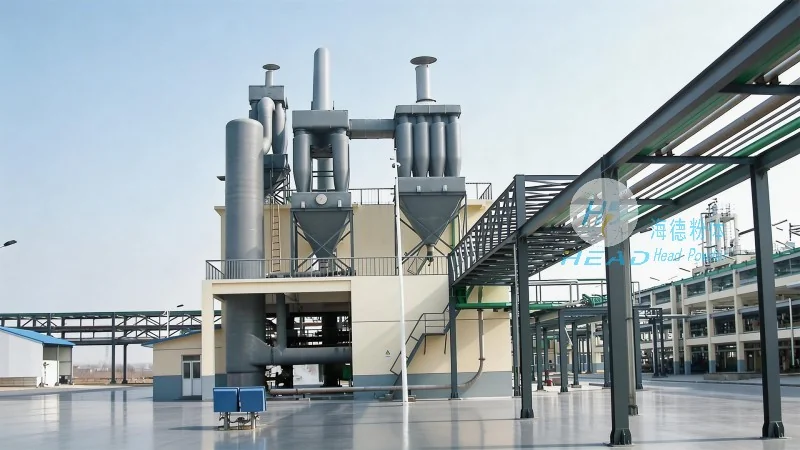
However, screw conveyors also have several disadvantages when used with corn stalks. One major drawback is the risk of material breakage, especially if the screw pitch is too small or the speed is too high. This can lead to reduced material quality and increased maintenance due to the accumulation of debris. Another limitation is their limited capacity for long-distance transport, as the friction and energy losses increase with the length of the conveyor. Furthermore, screw conveyors may not be suitable for very wet or sticky corn stalks, as these conditions can cause the material to cling to the screw and create blockages.
Air-Powered (Pneumatic) Conveying Systems
Air-powered or pneumatic conveying systems use compressed air to transport corn stalks through a pipeline. This method involves feeding the material into a hopper, where it is then drawn into the pipeline by the airflow. The system typically consists of a blower, a hopper, and a series of pipes with appropriate fittings and valves. The velocity of the air and the design of the pipeline are critical to the efficiency of the conveying process.
The primary advantage of pneumatic conveying is its ability to transport corn stalks over long distances with minimal material degradation. The enclosed pipeline prevents exposure to the elements and reduces the risk of contamination. Additionally, pneumatic systems can handle a wide variety of materials, including those with high moisture content or abrasive properties. They are also relatively easy to install and can be adapted to different layouts, making them suitable for both new and existing facilities.
Despite these benefits, pneumatic conveying has significant drawbacks when applied to corn stalks. The most notable disadvantage is the high energy consumption, as compressed air requires substantial power to operate. This can increase operational costs, especially for large-scale operations. Another issue is the potential for material separation or segregation, as lighter or smaller pieces may be carried more efficiently than larger or heavier stalks. Furthermore, the system is prone to blockages if the material is too dry or has high moisture content, which can lead to downtime and maintenance challenges.
Chain-Plate Conveyor (Belt Conveyor) for Corn Stalks
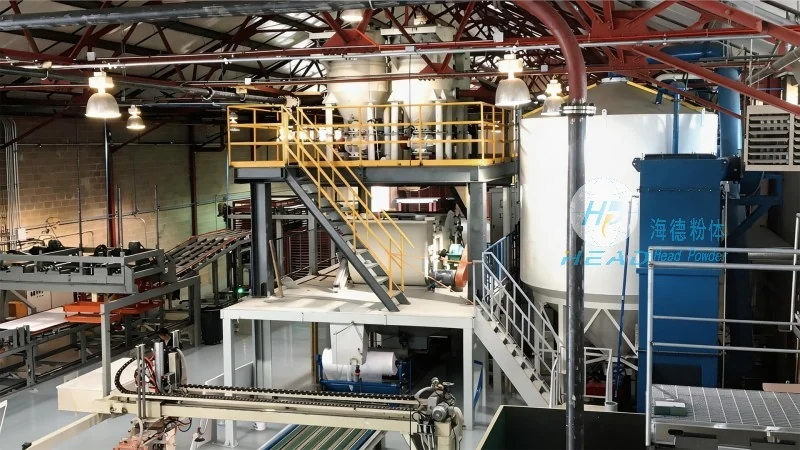
A chain-plate conveyor, also known as a belt conveyor, uses a continuous belt or chain with attached plates to transport corn stalks. The material is placed on the moving belt or chain, which then carries it to the desired location. This type of conveyor is commonly used in agricultural and industrial settings for its ability to handle heavy loads and long distances.
The advantages of chain-plate conveyors for corn stalks include their high capacity and ability to transport materials over long horizontal or inclined distances. They are particularly effective for moving large volumes of material with minimal breakage, as the belt or chain provides a smooth surface that reduces friction and impact. Additionally, chain-plate conveyors are relatively simple to maintain and can be easily adjusted to accommodate different material sizes or loads.
However, chain-plate conveyors also have limitations when used with corn stalks. One major drawback is their high initial cost, which can be a barrier for smaller operations. Another limitation is the risk of material spillage or spillage at the discharge point, which can lead to waste and environmental concerns. Furthermore, the system may not be suitable for very long vertical lifts, as the tension on the belt or chain can increase significantly, potentially causing wear and tear or even failure.
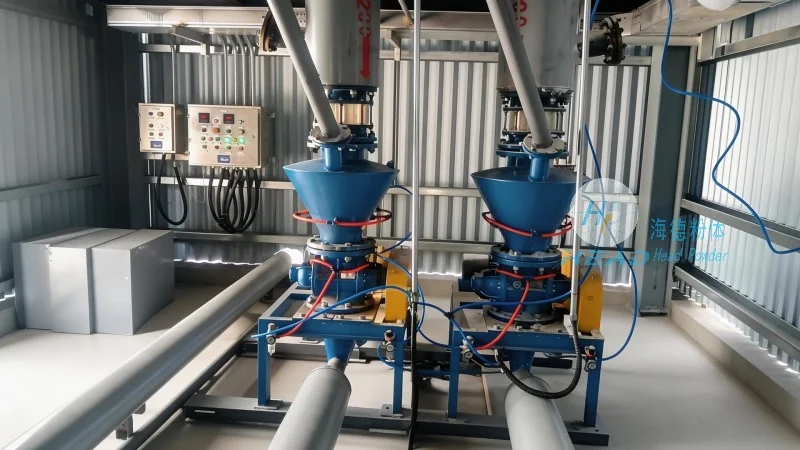
Comparative Analysis and Recommendations
When selecting a corn stalk conveying method, it is essential to consider the specific requirements of the operation. The choice between screw, pneumatic, and chain-plate conveyors depends on factors such as the distance to be covered, the volume of material to be handled, the physical properties of the corn stalks, and the available budget. For short distances and moderate volumes, a screw conveyor may be the most cost-effective option. For long-distance transport and minimal material degradation, a pneumatic system may be preferable. For high-capacity, long-distance horizontal or inclined transport, a chain-plate conveyor is often the best choice.
It is also important to note that the performance of any conveying system can be enhanced by proper maintenance and regular inspection. Regular cleaning of the conveyor components, checking for wear and tear, and ensuring proper alignment can help extend the lifespan of the equipment and maintain optimal performance.
Conclusion
In conclusion, the selection of an appropriate corn stalk conveying method is a critical decision that impacts the efficiency and profitability of agricultural and industrial operations. By understanding the advantages and disadvantages of each method, operators can choose the most suitable system for their specific needs. Whether opting for a screw conveyor, pneumatic system, or chain-plate conveyor, the key is to balance performance, cost, and operational requirements to achieve the best results.

 Công ty TNHH Kỹ thuật Công trình Bột Hải Đức Sơn Đông
 156-6277-7102(Quản lý Trương)
  0531-83386006
  Quận Chương Khâu, Thành phố Tế Nam, Tỉnh Sơn Đông, Trung Quốc
Điện thoại
WeChatTư vấn
Lên đầu