Công ty Hải Đức Bột với hơn 10 năm kinh nghiệm vận chuyển khí, cung cấp hệ thống‑thiết bị‑quạt gió và nhận dự án tổng thầu bột cả nước
HeadPowder, officially known as Shandong HeadPowder Engineering Co., Ltd., is a professional manufacturer and supplier based in Shandong, China. The company specializes in providing high-quality equipment and solutions for the construction materials industry, particularly focusing on lightweight aggregate handling and conveying systems. With a strong commitment to innovation and customer satisfaction, HeadPowder has established itself as a reliable partner for businesses seeking efficient and effective material transport solutions.
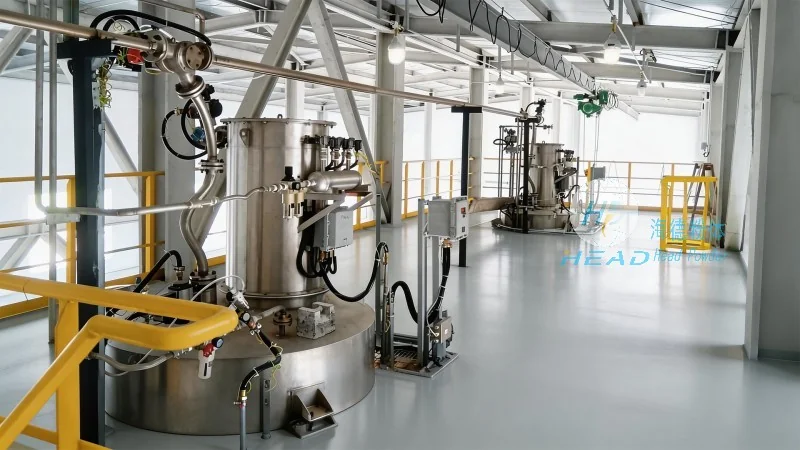
Introduction to Lightweight Aggregate Conveying Methods
Lightweight aggregates, such as expanded clay, perlite, and vermiculite, are widely used in construction and industrial applications due to their low density and excellent thermal insulation properties. The efficient transportation of these materials is crucial for maintaining production efficiency and ensuring product quality. Various conveying methods are available, each with its own set of advantages and disadvantages. Understanding these differences helps in selecting the most suitable system for specific operational requirements.
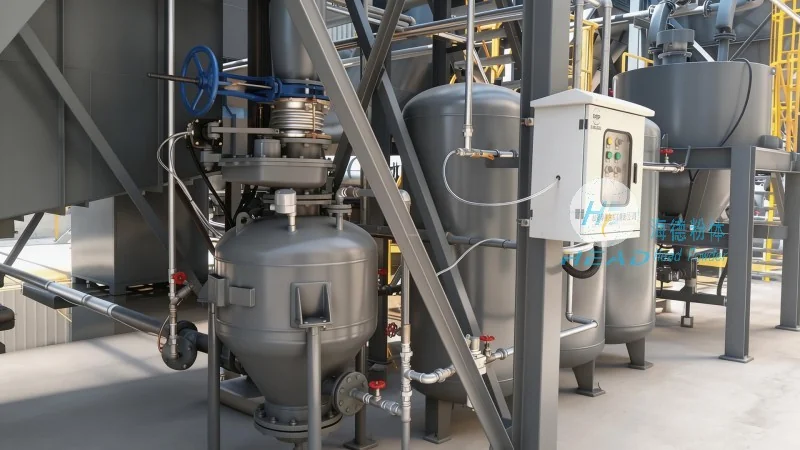
1. Pneumatic Conveying Systems
Pneumatic conveying, also known as air conveying, uses air pressure to transport lightweight aggregates through a pipeline. This method is ideal for handling fine or dusty materials and can be designed for both dilute and dense phase operation. One of the key advantages of pneumatic systems is their ability to transport materials over long distances without the need for multiple transfer points. Additionally, they offer a relatively clean and dust-free operation, which is beneficial for maintaining a safe working environment. However, pneumatic conveying can be energy-intensive, especially for dense phase systems, and may require more maintenance due to the wear on components like valves and filters. The initial investment for a pneumatic system is also higher compared to other methods, making it less suitable for low-cost, short-distance applications.
2. Screw Conveyors
Screw conveyors, or auger conveyors, use a rotating screw to move lightweight aggregates along a trough. This method is suitable for both horizontal and inclined transport and is particularly effective for handling bulk materials with a moderate to high flow rate. Screw conveyors are relatively simple in design, making them easy to install and maintain. They are also capable of handling a wide range of materials, including those with some moisture content. The main advantage of screw conveyors is their low operating cost and minimal energy consumption. However, they are not suitable for transporting very fine or dusty materials, as these can cause blockages or excessive wear on the screw and trough. Additionally, screw conveyors have a limited capacity for long-distance transport and may require additional equipment for vertical lifting.
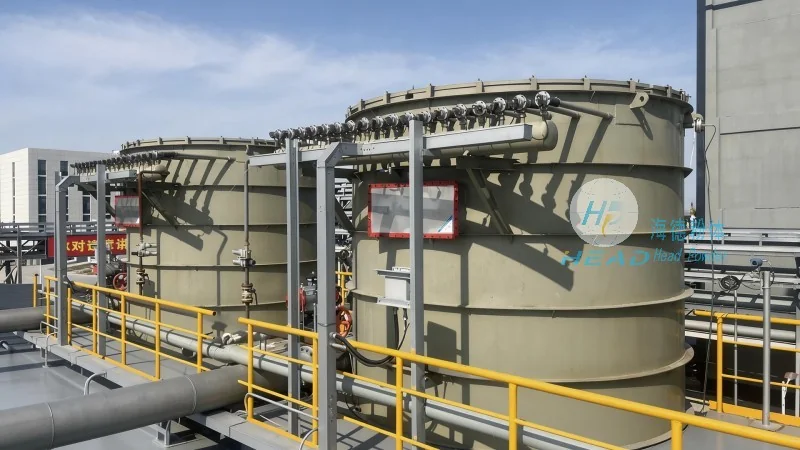
3. Belt Conveyors
Belt conveyors use a continuous belt to transport lightweight aggregates horizontally or at a slight incline. This method is widely used in bulk material handling due to its high capacity and ability to cover long distances. Belt conveyors are highly efficient for transporting large volumes of materials and can be integrated with other equipment for automated material handling. One of the significant advantages of belt conveyors is their low maintenance cost and long service life. They are also capable of handling a variety of materials, including those with irregular shapes or high moisture content. However, belt conveyors require a larger footprint compared to other systems, and the initial investment is relatively high. Additionally, they may not be suitable for transporting very fine or dusty materials, as these can cause belt wear or slippage. Proper maintenance, such as regular tensioning and cleaning, is essential to ensure optimal performance.
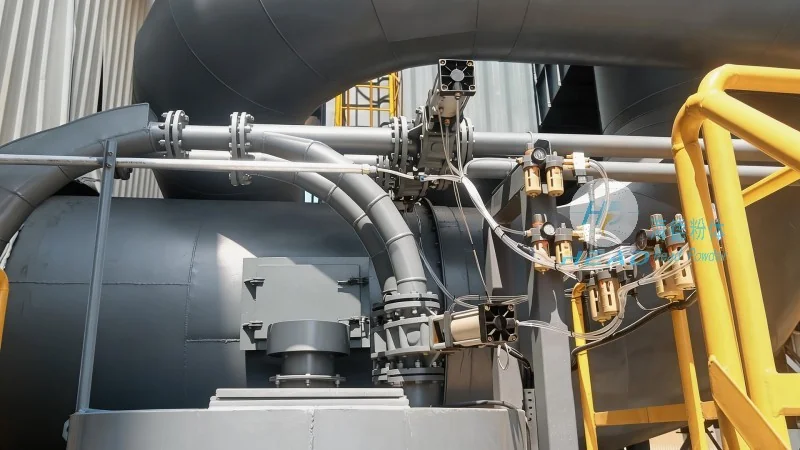
Comparison and Selection Considerations
When selecting a lightweight aggregate conveying method, several factors should be considered, including the material characteristics, distance of transport, required capacity, and budget constraints. Pneumatic systems are best suited for fine or dusty materials and long-distance transport, while screw conveyors are ideal for moderate to high flow rates and horizontal/short inclined transport. Belt conveyors excel in high-capacity, long-distance horizontal transport but require more space and higher initial investment. The choice of system also depends on the operational environment, with pneumatic systems offering a cleaner operation and screw/belt systems being more robust for heavy-duty applications. Ultimately, the most suitable conveying method is one that balances efficiency, cost, and operational requirements to meet the specific needs of the project.
HeadPowder's Expertise in Conveying Solutions
Shandong HeadPowder Engineering Co., Ltd. offers comprehensive solutions for lightweight aggregate conveying, including the design, manufacturing, and installation of custom systems tailored to client needs. The company's team of experts works closely with customers to assess their operational requirements and recommend the most appropriate conveying method. With a focus on quality and reliability, HeadPowder ensures that its equipment meets the highest industry standards and provides long-term performance. Whether it's a pneumatic, screw, or belt conveyor system, HeadPowder delivers solutions that enhance productivity, reduce costs, and improve overall operational efficiency. By choosing HeadPowder, businesses can benefit from years of experience and expertise in the field, ensuring that their material handling needs are met effectively and efficiently.

 Công ty TNHH Kỹ thuật Công trình Bột Hải Đức Sơn Đông
 156-6277-7102(Quản lý Trương)
  0531-83386006
  Quận Chương Khâu, Thành phố Tế Nam, Tỉnh Sơn Đông, Trung Quốc
Điện thoại
WeChatTư vấn
Lên đầu