Công ty Hải Đức Bột với hơn 10 năm kinh nghiệm vận chuyển khí, cung cấp hệ thống‑thiết bị‑quạt gió và nhận dự án tổng thầu bột cả nước
For breweries, the efficient and effective handling of spent grain is a critical aspect of operations. Spent grain, the byproduct of beer production, needs to be transported from the brewing tanks to storage or processing facilities. Choosing the right conveying method is essential to ensure operational efficiency, minimize downtime, and maintain product quality. This article provides a detailed comparison of common beer brewery spent grain conveying methods, highlighting their advantages and disadvantages.
Introduction to Beer Brewery Spent Grain Conveying
Beer spent grain, also known as brewer's grain, is a fibrous material that remains after the mashing and lautering processes. It contains residual sugars, proteins, and other nutrients, making it valuable for animal feed, biofuel production, or other industrial applications. However, its high moisture content and fibrous nature make it challenging to transport. The choice of conveying method depends on factors such as the volume of spent grain, the distance to be covered, the desired level of hygiene, and the overall budget. Below, we explore three primary methods used in the industry: screw conveyors, belt conveyors, and pneumatic conveyors.
Overview of Conveying Methods
Each conveying method has its own set of characteristics that make it suitable for different brewery applications. Understanding these characteristics helps in selecting the most appropriate system for a specific operation. The three main methods discussed are screw conveyors, belt conveyors, and pneumatic (air) conveyors.
Screw Conveyor (Auger Conveyor)
A screw conveyor, or auger, is a mechanism that uses a rotating helical screw to move material along a tube or trough. This method is widely used in breweries due to its simplicity and effectiveness for handling fibrous and moist materials like spent grain. The screw rotates inside a closed housing, pushing the material forward. The design allows for a compact footprint and can be installed horizontally or at an incline.
Advantages of screw conveyors include their ability to handle a wide range of material types, including those with high moisture content. They are also relatively simple in construction, requiring fewer moving parts compared to other systems. This simplicity translates to lower maintenance costs and easier installation. Additionally, screw conveyors can be easily integrated into existing brewery layouts, making them a flexible solution for various production scales.
However, screw conveyors have several limitations. One major drawback is their limited effective conveying distance. The material's resistance to the screw's rotation can cause the conveyor to stall or require higher power input for longer distances. This makes them less suitable for very long transport runs. Another issue is the potential for material buildup or blockages, especially with fibrous or sticky spent grain. This can lead to increased wear on the screw and housing, necessitating more frequent maintenance. Furthermore, the high torque required for operation can result in higher energy consumption compared to other methods.
Belt Conveyor
A belt conveyor uses a continuous belt looped over two or more pulleys to transport materials. The belt is supported by rollers or a flat surface, and the material is placed on the belt and carried to the destination. This method is commonly used in bulk material handling and is well-suited for transporting large volumes of spent grain over relatively long distances.
The primary advantage of belt conveyors is their high capacity and ability to cover long distances without interruption. They can transport large quantities of spent grain efficiently, making them ideal for large-scale breweries with extensive storage or processing facilities. The continuous operation of the belt ensures a steady flow of material, reducing the risk of bottlenecks in the production line. Additionally, belt conveyors can be designed with different belt materials to handle various types of spent grain, including those with high moisture content or abrasive properties.
Despite these benefits, belt conveyors have significant drawbacks. The most notable is their large footprint, as they require a substantial amount of space for the conveyor structure and supporting equipment. This can be a challenge in breweries with limited floor space. Maintenance costs are also higher compared to screw conveyors, as the belts and pulleys require regular inspection and replacement. The system is also more complex, with more moving parts that can lead to mechanical failures. Furthermore, belt conveyors may not be as hygienic as other methods, as the open design can expose the material to contaminants and air, potentially affecting the quality of the spent grain.
Pneumatic Conveyor (Air-Driven Conveyor)
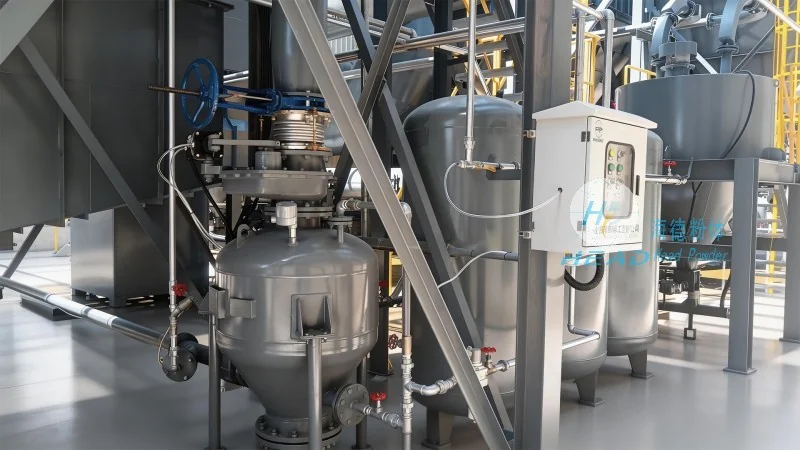
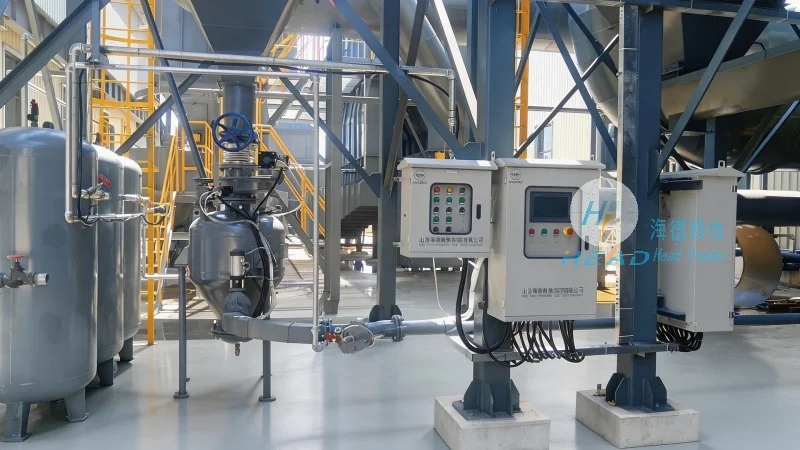
A pneumatic conveyor, or air-driven system, uses a stream of air to transport materials through a pipe or duct. The material is typically mixed with air in a hopper and then propelled through the system by the air flow. This method is often referred to as a "pneumatic transport" or "air conveyor." It is particularly useful for handling fine or powdery materials, but can also be adapted for fibrous spent grain.
The main advantage of pneumatic conveyors is their ability to transport materials without direct mechanical contact. This makes them highly hygienic and suitable for applications where product contamination must be minimized. The system can also cover long distances with minimal loss of material, as the air flow maintains the material's integrity. Additionally, pneumatic conveyors can be easily integrated into existing brewery infrastructure, as they do not require a physical conveyor structure. This flexibility allows for installation in tight spaces or around existing equipment.
However, pneumatic conveyors have several disadvantages. The most significant is their high energy consumption, as the air system requires a powerful blower or compressor to generate the necessary air pressure. This can lead to higher operational costs compared to other methods. The system is also more complex, with components such as filters, cyclones, and airlocks that require regular maintenance to ensure proper operation. Furthermore, the design of the system must be carefully considered to avoid material degradation or loss. For example, the air flow velocity must be controlled to prevent the material from being carried away by the air, which can lead to inefficiencies. Additionally, the system may not be suitable for very large or heavy pieces of spent grain, as the air pressure may not be sufficient to move them effectively.
Company Profile: Shandong HeadPowder Engineering Co., Ltd.
Shandong HeadPowder Engineering Co., Ltd., commonly known as HeadPowder, is a leading manufacturer of industrial conveying equipment in China. With a focus on innovation and quality, the company specializes in designing and manufacturing solutions for the food, beverage, and pharmaceutical industries. HeadPowder's expertise lies in creating customized conveying systems tailored to the specific needs of breweries, ensuring efficient and reliable spent grain handling. The company's products are known for their durability, efficiency, and compliance with industry standards, making them a trusted choice for breweries worldwide.
HeadPowder's team of engineers and technicians work closely with clients to understand their operational requirements and provide tailored solutions. The company offers a range of conveying equipment, including screw conveyors, belt conveyors, and pneumatic systems, each designed to meet the unique challenges of spent grain handling. Whether a brewery needs a compact screw conveyor for short-distance transport or a long-distance belt conveyor for large-scale operations, HeadPowder provides the expertise and equipment to ensure optimal performance. The company's commitment to quality and customer satisfaction has earned it a reputation as a reliable partner in the brewing industry.
Conclusion: Choosing the Right Conveying Method
Choosing the right spent grain conveying method is a critical decision for breweries, as it directly impacts operational efficiency, product quality, and overall costs. The three primary methods—screw conveyors, belt conveyors, and pneumatic conveyors—each offer distinct advantages and disadvantages. The screw conveyor is ideal for short distances and moderate volumes, while the belt conveyor is better suited for long distances and high capacities. The pneumatic conveyor provides a hygienic solution for long-distance transport but requires higher energy input. Ultimately, the choice depends on the brewery's specific needs, including the volume of spent grain, the distance to be covered, and the desired level of hygiene and efficiency.

 Công ty TNHH Kỹ thuật Công trình Bột Hải Đức Sơn Đông
 156-6277-7102(Quản lý Trương)
  0531-83386006
  Quận Chương Khâu, Thành phố Tế Nam, Tỉnh Sơn Đông, Trung Quốc
Điện thoại
WeChatTư vấn
Lên đầu