Công ty Hải Đức Bột với hơn 10 năm kinh nghiệm vận chuyển khí, cung cấp hệ thống‑thiết bị‑quạt gió và nhận dự án tổng thầu bột cả nước
When it comes to transporting lime, selecting the right method is crucial for efficiency, safety, and cost-effectiveness. Various options exist, each with its own set of advantages and considerations. This article explores the common lime handling methods and highlights the benefits of pneumatic lime conveying as a modern solution, presented by Shandong HeadPowder Engineering Co., Ltd., a leading provider of industrial conveying solutions.
Understanding Different Lime Handling Methods
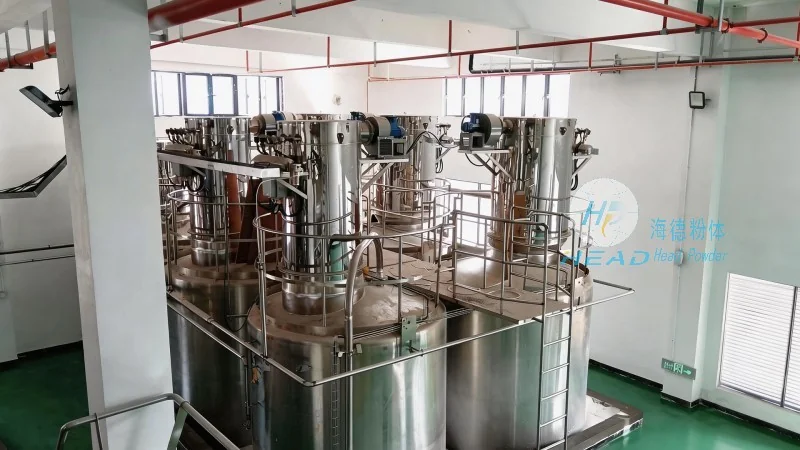
Lime, a widely used industrial material, is often transported from storage to processing facilities or other locations. Traditional methods include belt conveyors, screw conveyors, and bucket elevators. Each of these systems has been used for decades and offers reliable performance in many applications. However, they may face limitations in terms of space, material properties, or operational flexibility. For example, belt conveyors can be affected by material buildup and require regular maintenance, while screw conveyors may experience clogging with fine or dusty lime.
Pneumatic Lime Conveying: A Modern Solution
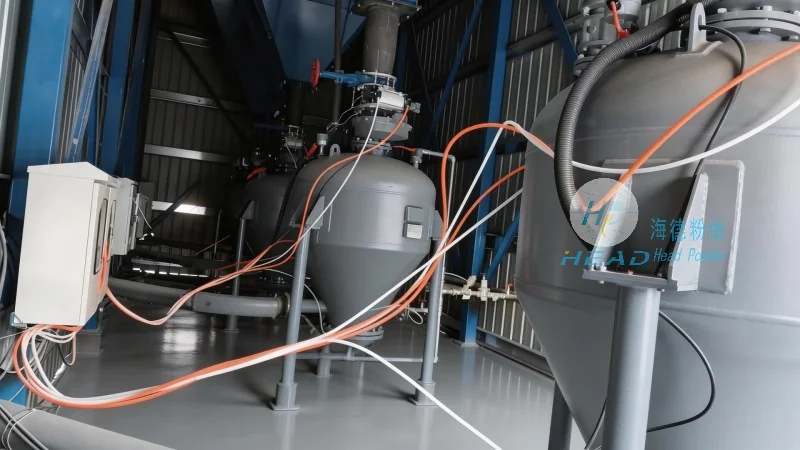
Pneumatic lime conveying, also known as air-powered transport, utilizes compressed air to move lime particles through a pipeline system. This method is particularly effective for handling fine or dusty lime, as it minimizes dust exposure and reduces the risk of material degradation compared to mechanical systems. The process involves a blower or compressor that generates airflow, which carries the lime particles through the pipeline to the destination. The system can be designed with various components, including a hopper for material storage, a filter to capture any airborne particles, and a control panel for operation.
Key Advantages of Pneumatic Lime Conveying
One of the primary benefits of pneumatic lime conveying is its ability to handle fine and dusty lime without the need for additional dust suppression equipment. The enclosed pipeline system prevents dust from escaping into the environment, improving workplace safety and compliance with environmental regulations. This is a key advantage for industries like steel and water treatment, where maintaining a clean and safe working environment is paramount. Additionally, the system offers greater flexibility in terms of layout and routing, as the pipeline can be installed in various configurations to accommodate different facility layouts. This flexibility allows for efficient use of space and reduces the need for extensive infrastructure modifications.
Efficiency and Cost-Effectiveness
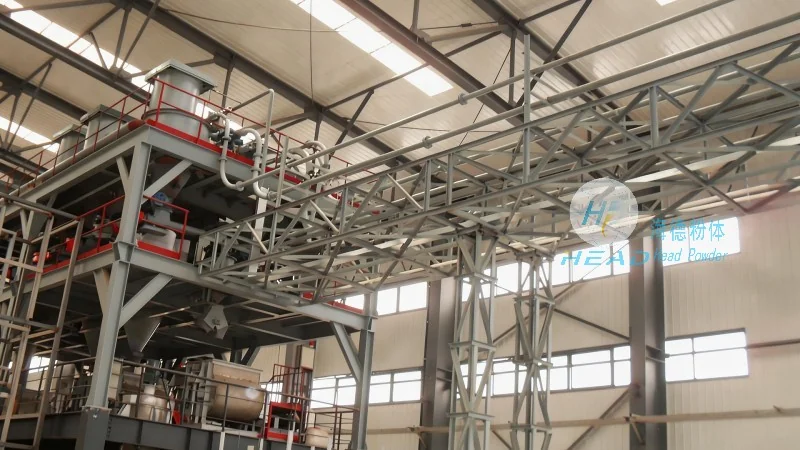
Pneumatic lime conveying systems are generally more energy-efficient than mechanical alternatives, especially when transporting large volumes over long distances. The absence of moving parts in the pipeline reduces maintenance requirements and downtime, leading to lower operational costs. Furthermore, the system can be easily scaled to meet changing production demands, making it a versatile choice for industries with fluctuating lime usage. Shandong HeadPowder Engineering Co., Ltd. has developed advanced pneumatic conveying systems that optimize energy consumption and reduce operational expenses for clients.
Applications and Industries
Pneumatic lime conveying is widely used in various industries that rely on lime, including steel production, water treatment, and chemical manufacturing. In steel plants, lime is used for desulfurization and slag formation, and pneumatic conveying ensures a consistent supply to the reactors. The system provides a reliable means of transporting the material to treatment tanks, maintaining the required flow rates and preventing interruptions in the production process. In water treatment facilities, lime is used to adjust pH levels, and the system offers a safe and efficient way to deliver the material to treatment equipment. The versatility of pneumatic lime conveying makes it suitable for a wide range of applications where efficient and safe material transport is essential.
Conclusion
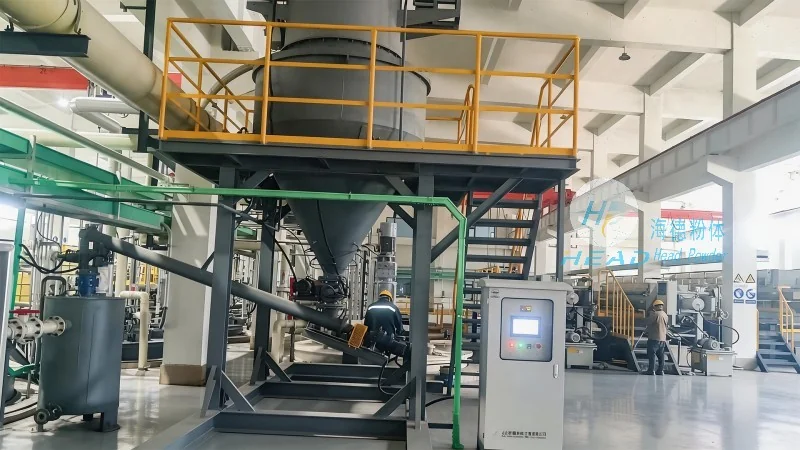
Choosing the right lime handling method depends on several factors, including the material properties, facility layout, and operational requirements. While traditional methods like belt and screw conveyors remain viable, pneumatic lime conveying offers significant advantages in terms of efficiency, safety, and flexibility. For industries seeking to optimize their lime transport processes, pneumatic conveying is a modern and effective solution that can enhance overall operational performance. Shandong HeadPowder Engineering Co., Ltd. specializes in providing customized pneumatic lime conveying systems that meet the unique needs of each client, ensuring reliable and efficient material transport for years to come.

 Công ty TNHH Kỹ thuật Công trình Bột Hải Đức Sơn Đông
 156-6277-7102(Quản lý Trương)
  0531-83386006
  Quận Chương Khâu, Thành phố Tế Nam, Tỉnh Sơn Đông, Trung Quốc
Điện thoại
WeChatTư vấn
Lên đầu