Công ty Hải Đức Bột với hơn 10 năm kinh nghiệm vận chuyển khí, cung cấp hệ thống‑thiết bị‑quạt gió và nhận dự án tổng thầu bột cả nước
When it comes to transporting sand and soil, selecting the right method is crucial for efficiency, cost-effectiveness, and operational safety. Various options exist, but pneumatic conveying has emerged as a preferred solution for many industries due to its unique advantages. This article explores different sand and soil conveying methods, with a focus on the benefits and characteristics of pneumatic conveying systems.
Introduction to Sand and Soil Conveying Methods
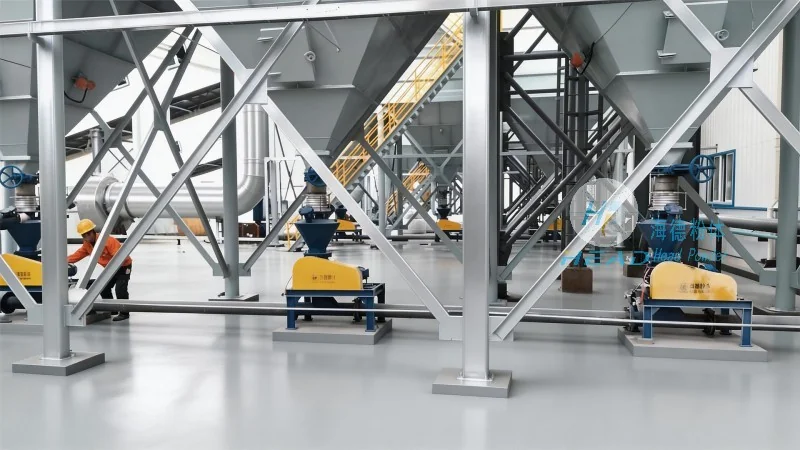
Sand and soil are essential materials in construction, mining, and various industrial processes. Their transport requires reliable systems that can handle bulk quantities while maintaining material integrity. Traditional methods, such as belt conveyors and screw conveyors, have been used for decades, but they often face limitations when dealing with fine-grained or abrasive materials. As industries evolve, the need for more efficient and flexible transport solutions has grown, leading to the adoption of advanced technologies like pneumatic conveying. This article provides an overview of common sand and soil conveying methods and highlights the advantages of pneumatic systems.
Traditional Conveying Methods and Their Limitations
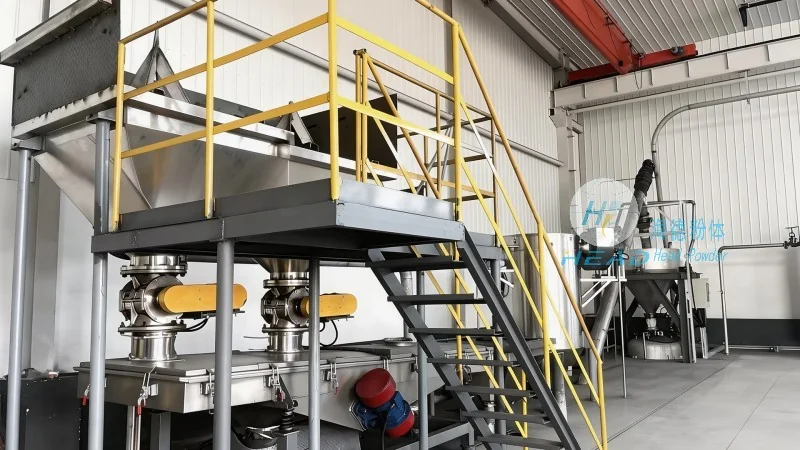
Historically, sand and soil have been transported using methods such as belt conveyors, screw conveyors, and bucket elevators. While these systems are widely used in bulk material handling, they often face challenges when dealing with abrasive or fine-grained materials like sand and soil. Belt conveyors, for instance, can suffer from material buildup and wear, leading to increased maintenance costs and downtime. Screw conveyors, though effective for dry materials, may not handle wet or sticky soils well, causing blockages and operational inefficiencies. Bucket elevators, another common option, require significant space and can be prone to mechanical failures, especially when transporting heavy or abrasive materials. These traditional methods, while reliable in some applications, often struggle to maintain consistent flow rates and may not be suitable for long-distance or complex transport routes.
Pneumatic Conveying: A Modern Solution for Sand and Soil Transport
Pneumatic conveying, also known as air conveying, uses compressed air to transport bulk materials through a pipeline system. This method is particularly effective for sand and soil due to its ability to handle fine particles, moisture, and abrasive materials without the need for mechanical contact. Unlike traditional systems, pneumatic conveyors eliminate the risk of material degradation from friction or impact, making them ideal for delicate or valuable soils. The technology has evolved significantly over the years, with advancements in material handling efficiency and system design, enabling it to meet the demands of modern construction, mining, and industrial applications.
Key Advantages of Pneumatic Conveying for Sand and Soil
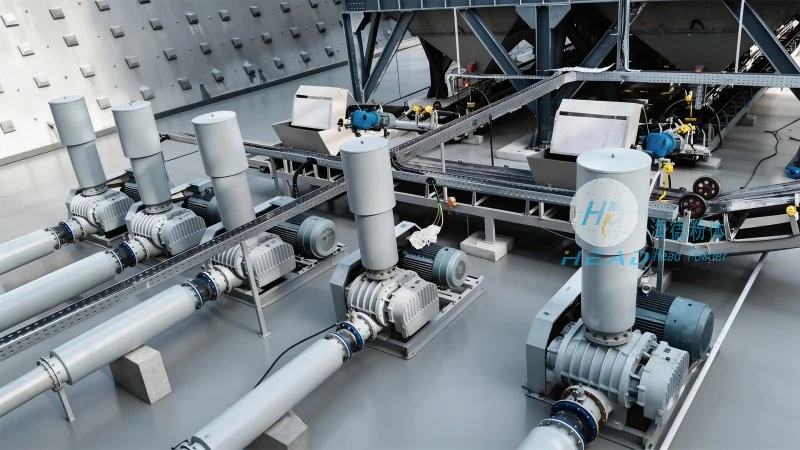
One of the primary advantages of pneumatic conveying is its ability to transport materials over long distances with minimal loss. The system can move sand and soil from a source to a destination without the need for intermediate storage or transfer points, reducing the risk of contamination and improving operational flow. Another key benefit is the flexibility of the system, which can be easily adapted to different layouts and requirements. Pneumatic conveyors can handle varying material types and sizes, from fine sand to larger soil aggregates, making them versatile for diverse applications. Additionally, the system operates with lower energy consumption compared to some traditional methods, as it uses compressed air efficiently to move materials through the pipeline. This not only reduces operational costs but also contributes to environmental sustainability by minimizing energy waste.
Technical Features and Applications in Sand and Soil Handling
The technical features of pneumatic conveying systems for sand and soil include high material throughput, low maintenance requirements, and the ability to handle abrasive materials without damage. Modern systems often incorporate advanced control technologies, such as variable frequency drives and real-time monitoring, to optimize performance and ensure consistent operation. These features make pneumatic conveying suitable for applications in construction sites, where sand and soil are transported from stockpiles to mixing plants or building sites. In mining operations, the system can be used to transport tailings or overburden materials, improving safety and efficiency in material handling. The technology is also applied in environmental remediation projects, where contaminated soil is transported to treatment facilities for processing. Overall, the technical capabilities of pneumatic conveying systems make them a reliable choice for various sand and soil handling scenarios.
Conclusion and Company Profile
As the demand for efficient sand and soil transport grows, pneumatic conveying has proven to be a superior solution compared to traditional methods. Its advantages in material handling, flexibility, and energy efficiency make it an ideal choice for industries seeking to improve operational performance and reduce costs. Shandong HeadPowder Engineering Co., Ltd., a leading provider of bulk material handling solutions, specializes in designing and manufacturing advanced pneumatic conveying systems tailored to the needs of sand and soil transport. With a focus on innovation and quality, the company has established itself as a trusted partner in the industry, serving clients with reliable and efficient solutions for their material handling challenges. Located in Shandong, China, HeadPowder Engineering continues to advance the technology of pneumatic conveying, ensuring that customers receive the best possible service and products for their sand and soil transport requirements.

 Công ty TNHH Kỹ thuật Công trình Bột Hải Đức Sơn Đông
 156-6277-7102(Quản lý Trương)
  0531-83386006
  Quận Chương Khâu, Thành phố Tế Nam, Tỉnh Sơn Đông, Trung Quốc
Điện thoại
WeChatTư vấn
Lên đầu