Công ty Hải Đức Bột với hơn 10 năm kinh nghiệm vận chuyển khí, cung cấp hệ thống‑thiết bị‑quạt gió và nhận dự án tổng thầu bột cả nước
Fine sand, characterized by its small particle size and high density, poses unique challenges in material handling and transportation. Traditional methods such as gravity flow or mechanical conveyors often struggle with the fine particles' tendency to clog, degrade, or cause dust pollution. As a result, specialized conveying systems have been developed to address these challenges effectively. This article explores the various methods available for fine sand conveying, with a particular focus on the advantages and features of pneumatic conveying systems.
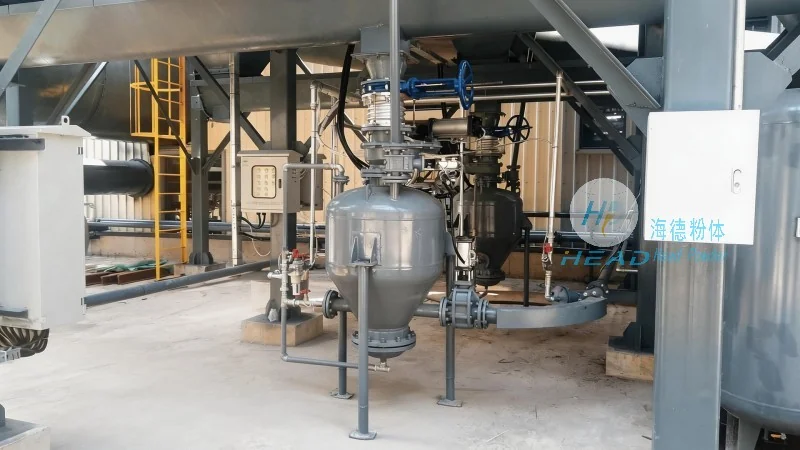
Common Conveying Methods for Fine Sand
Several approaches are commonly used to transport fine sand, each with its own set of applications and limitations. The primary methods include:
Gravity Conveying: This method relies on the natural force of gravity to move fine sand down inclined chutes or troughs. While simple and low-cost, gravity conveying is limited by the need for a suitable slope and is often unsuitable for long distances or vertical lifts due to the risk of clogging and particle segregation.
Mechanical Conveying: Mechanical systems like belt conveyors, screw conveyors, and bucket elevators are widely used for fine sand transport. These systems offer better control over the material flow compared to gravity methods but may still face issues with particle buildup and increased maintenance requirements. Mechanical conveyors are particularly effective for horizontal or slightly inclined transport but may not be ideal for vertical or complex routing.
Pneumatic Conveying: Pneumatic systems use compressed air to transport fine sand as a slurry or dry powder through pipelines. This method provides a flexible, dust-free, and efficient solution for fine sand handling, making it suitable for a wide range of industrial applications.
The Advantages of Fine Sand Pneumatic Conveying
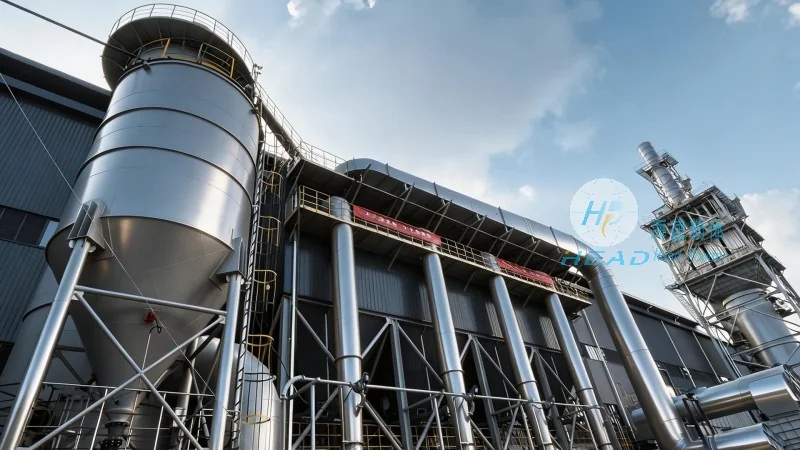
Pneumatic conveying has emerged as the preferred method for fine sand transport due to its numerous advantages over traditional systems. Key benefits include:
High Efficiency and Capacity: Pneumatic systems can handle large volumes of fine sand at high speeds, reducing overall transport time and increasing production throughput. The ability to transport materials over long distances or vertical lifts without intermediate transfers enhances operational efficiency.
Dust-Free and Environmentally Friendly: Unlike mechanical or gravity methods, pneumatic conveying operates in closed pipelines, preventing dust emissions and minimizing environmental impact. This makes it suitable for applications where dust control is critical, such as in food processing, pharmaceuticals, or industrial facilities.
Flexible and Scalable: Pneumatic systems can be easily configured to accommodate changes in production volume or layout. The modular design allows for expansion or reconfiguration without major infrastructure changes, providing flexibility for growing businesses.
Reduced Maintenance and Downtime: With fewer moving parts compared to mechanical conveyors, pneumatic systems experience lower wear and tear, leading to reduced maintenance costs and longer service intervals. This translates to lower operational expenses and increased uptime.
Prevention of Material Degradation: The closed pipeline design protects fine sand from exposure to air, moisture, or contaminants, preserving its quality and preventing degradation. This is particularly important for sensitive materials that may lose their properties if exposed to the environment.
Key Features of Fine Sand Pneumatic Conveying Systems
Modern fine sand pneumatic conveying systems incorporate several advanced features to enhance performance and reliability. These include:
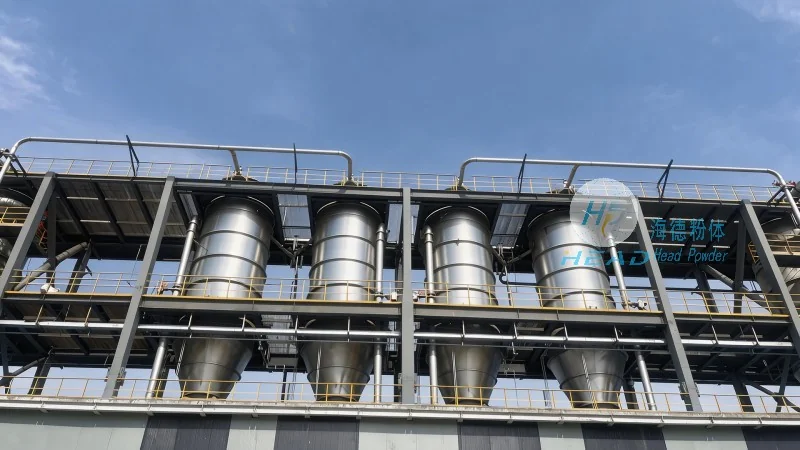
Positive Displacement and Dilute Phase Conveying: Systems can be designed as positive displacement (high-pressure) or dilute phase (low-pressure) based on the specific requirements of the application. Positive displacement is suitable for high-density or abrasive materials, while dilute phase offers higher efficiency for low-density materials.
Material Separation and Conditioning: Advanced systems may include features such as cyclone separators, filters, and conditioning units to ensure the fine sand is conveyed in a consistent and controlled manner. These components help maintain the material's quality and prevent blockages in the pipeline.
Control Systems and Automation: Modern pneumatic conveying systems are equipped with sophisticated control panels and automation software that allow for real-time monitoring and adjustment of the conveying process. This ensures optimal performance and reduces the risk of operational errors.
Applications of Fine Sand Pneumatic Conveying
Fine sand pneumatic conveying is widely used in various industries, including:
Construction and Mining: Used for transporting sand from quarries or stockpiles to processing facilities, or for delivering sand to construction sites.
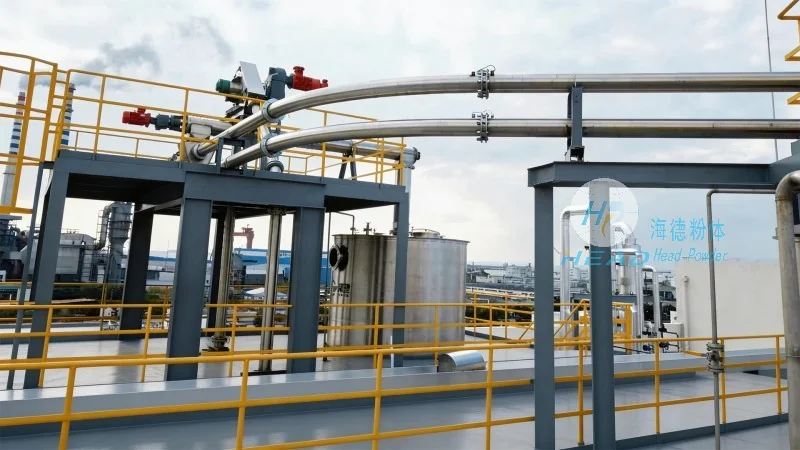
Food and Pharmaceutical Industries: Applied in the handling of fine sand-based ingredients or additives, where dust control and material purity are essential.
Chemical Manufacturing: Used for conveying fine sand used as a filler or catalyst in chemical processes, ensuring consistent quality and preventing contamination.
Environmental and Waste Management: Employed in the transport of fine sand from waste treatment facilities or for reclamation projects.
Conclusion
Fine sand conveying is a critical process in many industrial applications, and the choice of conveying method significantly impacts operational efficiency, cost, and environmental impact. While traditional methods like gravity and mechanical conveyors have their uses, pneumatic conveying systems offer superior advantages in terms of efficiency, flexibility, and environmental friendliness. For businesses dealing with fine sand, investing in a well-designed pneumatic conveying system can lead to improved productivity, reduced maintenance costs, and enhanced product quality.
Shandong HeadPowder Engineering Co., Ltd., a leading provider of fine sand handling solutions, specializes in designing and manufacturing advanced pneumatic conveying systems tailored to the specific needs of various industries. With a focus on innovation and quality, HeadPowder delivers reliable and efficient solutions that help clients optimize their fine sand transport processes. The company's expertise in material handling technology ensures that clients receive systems that are not only effective but also durable and cost-effective.

 Công ty TNHH Kỹ thuật Công trình Bột Hải Đức Sơn Đông
 156-6277-7102(Quản lý Trương)
  0531-83386006
  Quận Chương Khâu, Thành phố Tế Nam, Tỉnh Sơn Đông, Trung Quốc
Điện thoại
WeChatTư vấn
Lên đầu