Công ty Hải Đức Bột với hơn 10 năm kinh nghiệm vận chuyển khí, cung cấp hệ thống‑thiết bị‑quạt gió và nhận dự án tổng thầu bột cả nước
Water-containing powder, a specialized material commonly utilized in industrial processes, demands efficient and reliable conveying methods to maintain smooth production workflows. Among the various options available, pneumatic conveying emerges as a highly effective solution. This article explores the different water-containing powder conveying methods, with a particular focus on the advantages and features of pneumatic conveying technology.
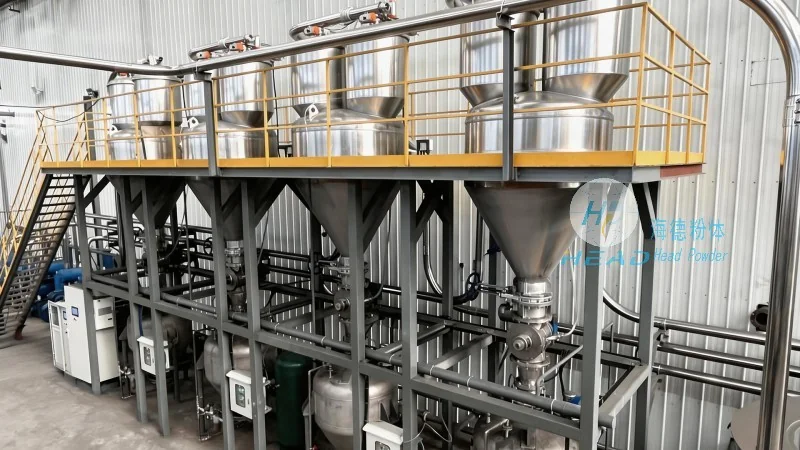
Understanding Water-Containing Powder Conveying Methods
Water-containing powder, also referred to as slurry or wet powder, consists of powder particles suspended in water. The primary objective of conveying this material is to transport it from one location to another without compromising its quality or integrity. Traditional methods such as gravity flow or mechanical screw conveyors may not be suitable due to the fluid nature of the material, which can lead to clogging or uneven flow. Consequently, specialized conveying systems are essential. The main types of water-containing powder conveying include pneumatic conveying, hydraulic conveying, and mechanical conveying. Each method has distinct applications and limitations, making the selection of the appropriate system critical for optimal performance.
Pneumatic Conveying: The Preferred Solution for Water-Containing Powder
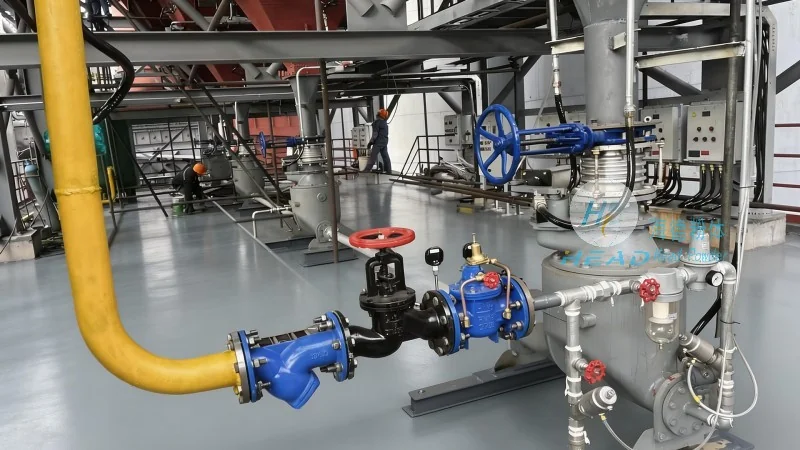
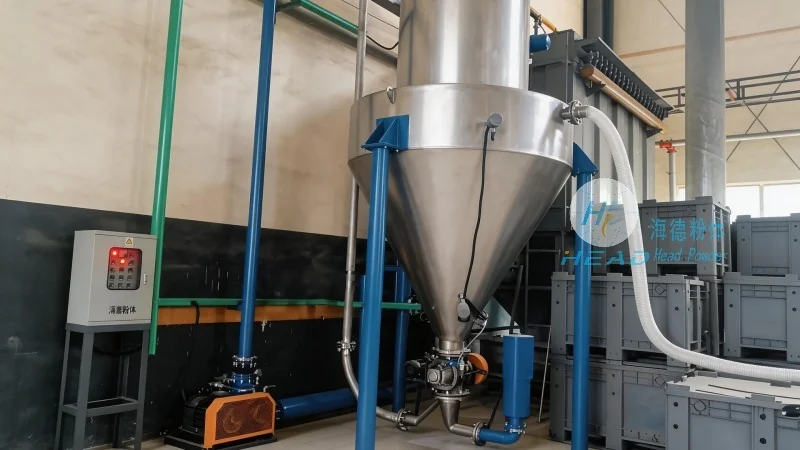
Pneumatic conveying, or air-based conveying, employs compressed air to move water-containing powder through a pipeline. This method offers several key advantages that make it ideal for handling such materials. First, it provides a high degree of flexibility in terms of layout and routing. The system can be designed to follow complex paths, allowing for seamless integration into existing production facilities. Second, pneumatic conveying is highly efficient in terms of energy consumption and operational speed. By utilizing compressed air, the material is transported quickly and with minimal pressure drop, reducing overall energy costs. Third, it ensures a clean and hygienic environment, which is crucial for industries like food processing or pharmaceuticals where contamination control is paramount. The enclosed pipeline system prevents dust and moisture from escaping, maintaining a safe working environment and adhering to stringent regulatory standards.
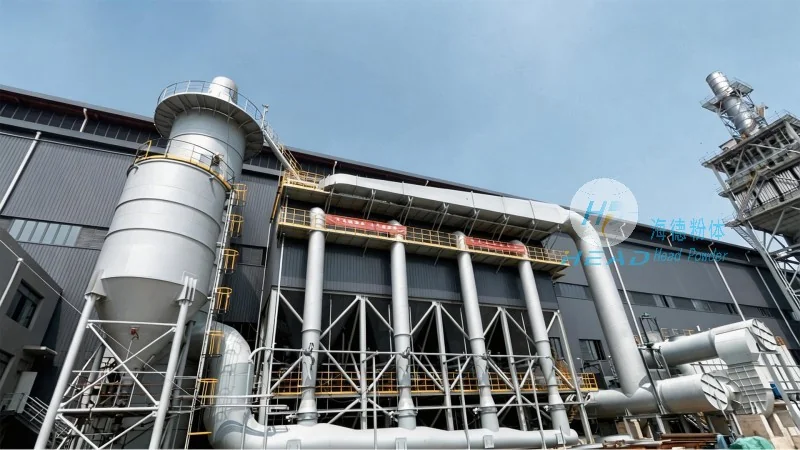
Key Features and Advantages of Pneumatic Conveying for Water-Containing Powder
When evaluating the advantages of pneumatic conveying for water-containing powder, several features are noteworthy. One of the most significant benefits is the ability to handle a wide range of particle sizes and moisture contents. The system can accommodate materials with varying properties, from fine powders to coarser particles, without requiring substantial modifications. Another advantage is the reduced risk of material degradation. Unlike mechanical conveyors that may cause friction and heat buildup, pneumatic systems operate at lower temperatures and pressures, preserving the integrity of the powder. Additionally, the enclosed nature of the system minimizes dust emissions, contributing to better air quality and compliance with environmental regulations. The system also allows for easy integration with other processing equipment, such as mixers or reactors, enabling a seamless flow of materials through the production line and enhancing overall operational efficiency.

 Công ty TNHH Kỹ thuật Công trình Bột Hải Đức Sơn Đông
 156-6277-7102(Quản lý Trương)
  0531-83386006
  Quận Chương Khâu, Thành phố Tế Nam, Tỉnh Sơn Đông, Trung Quốc
Điện thoại
WeChatTư vấn
Lên đầu