Công ty Hải Đức Bột với hơn 10 năm kinh nghiệm vận chuyển khí, cung cấp hệ thống‑thiết bị‑quạt gió và nhận dự án tổng thầu bột cả nước
Masterbatch particles are essential additives used in various industries to color, modify, or enhance the properties of polymers. The efficient and reliable transportation of these particles from storage to processing equipment is crucial for maintaining production efficiency and product quality. There are several methods available for conveying masterbatch particles, each with its own set of advantages and limitations. Among these, pneumatic conveying stands out as a preferred solution for many applications due to its unique benefits.
Overview of Masterbatch Particle Conveying Methods
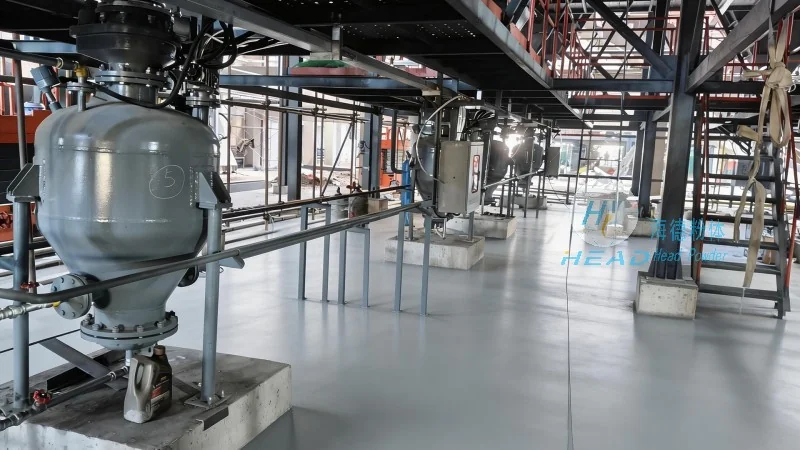
Masterbatch particles are typically transported using mechanical or pneumatic systems. Mechanical conveying methods, such as screw conveyors or belt conveyors, are commonly used for bulk material handling. However, these systems may face challenges when dealing with fine or abrasive particles, which can lead to wear and tear on equipment components. In contrast, pneumatic conveying systems utilize air or other gases to transport particles through a pipeline, offering a more flexible and efficient solution for masterbatch particles.
The Advantages of Pneumatic Conveying for Masterbatch Particles
Pneumatic conveying offers several key advantages that make it an ideal choice for masterbatch particle transportation. First, it provides a clean and dust-free environment, which is critical for maintaining the purity of masterbatch particles. Unlike mechanical systems that may generate dust or cause contamination, pneumatic conveying keeps the particles enclosed within the pipeline, reducing the risk of cross-contamination and ensuring product integrity. Second, pneumatic systems offer high flexibility in terms of layout and installation. They can be easily integrated into existing production lines or customized to fit specific plant configurations, allowing for seamless integration with other processing equipment.
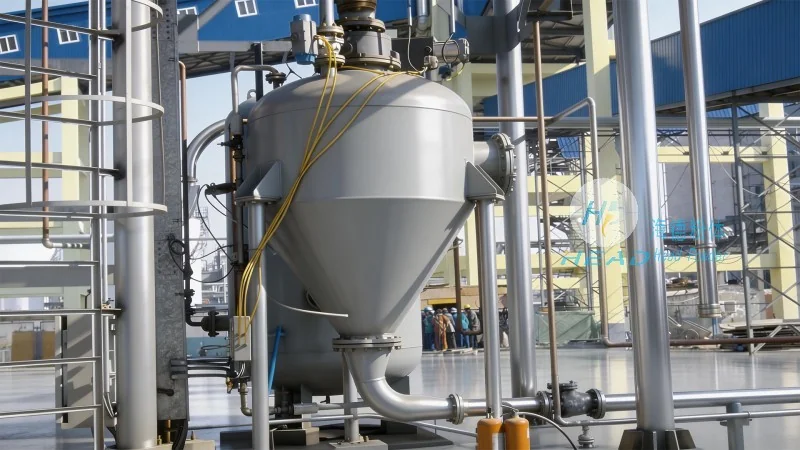
Key Features of Pneumatic Conveying Systems for Masterbatch Particles
Modern pneumatic conveying systems for masterbatch particles are equipped with advanced features that enhance their performance and reliability. These systems often include positive displacement blowers or rotary lobe pumps to generate the necessary air pressure and flow rates. The use of high-quality materials, such as stainless steel or corrosion-resistant alloys, ensures durability and resistance to the abrasive nature of masterbatch particles. Additionally, many systems incorporate automatic control mechanisms that monitor and adjust the conveying process in real-time, optimizing efficiency and reducing energy consumption.
Application Examples and Case Studies
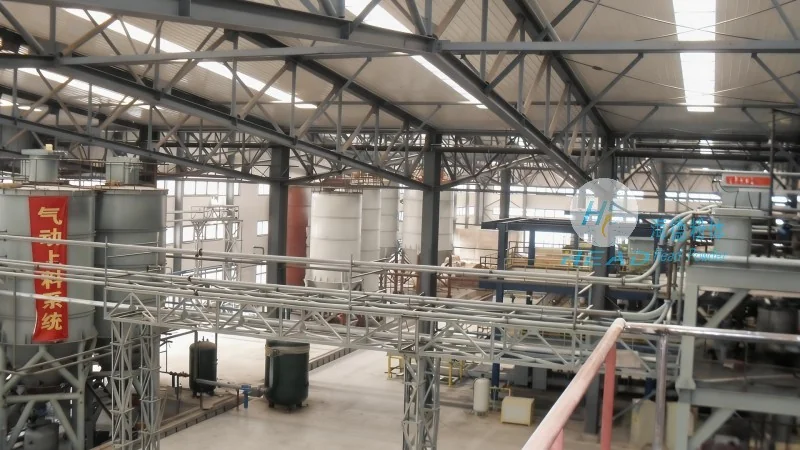
The effectiveness of pneumatic conveying for masterbatch particles is demonstrated in various industrial applications. For instance, in the plastic manufacturing industry, masterbatch particles are often used to color plastic resins. Pneumatic conveying systems are used to transport these particles from storage silos to extruders or mixers, ensuring a consistent and uniform distribution of color throughout the final product. In the rubber industry, masterbatch particles are used to modify the properties of rubber compounds, and pneumatic conveying systems help in the precise delivery of these additives to mixing equipment. These applications highlight the versatility and reliability of pneumatic conveying systems in handling masterbatch particles.
Conclusion and Recommendations
When selecting a conveying method for masterbatch particles, it is essential to consider the specific requirements of the application, including particle size, density, and the desired level of cleanliness. Pneumatic conveying, particularly with positive displacement technology, offers a superior solution for many masterbatch particle applications due to its ability to handle fine particles, maintain product purity, and provide flexible system integration. Companies like Shandong HeadPowder Engineering Co., Ltd., with their expertise in pneumatic conveying systems, can provide tailored solutions that meet the unique needs of their clients. By investing in advanced pneumatic conveying systems, manufacturers can enhance their production efficiency, reduce downtime, and ensure the consistent quality of their products.

 Công ty TNHH Kỹ thuật Công trình Bột Hải Đức Sơn Đông
 156-6277-7102(Quản lý Trương)
  0531-83386006
  Quận Chương Khâu, Thành phố Tế Nam, Tỉnh Sơn Đông, Trung Quốc
Điện thoại
WeChatTư vấn
Lên đầu