Công ty Hải Đức Bột với hơn 10 năm kinh nghiệm vận chuyển khí, cung cấp hệ thống‑thiết bị‑quạt gió và nhận dự án tổng thầu bột cả nước
Efficient and reliable transportation of fertilizer granules is a critical aspect of modern agricultural operations. The choice of conveying method directly impacts operational efficiency, cost-effectiveness, and the overall quality of the fertilizer handling process. Among the various options available, pneumatic conveying stands out as a highly effective solution for transporting fertilizer granules. This article provides an overview of different fertilizer granule conveying methods, with a focus on the advantages and features of pneumatic conveying systems.

Introduction to Fertilizer Granule Conveying Methods
Before delving into the specifics of pneumatic conveying, it is essential to understand the primary methods used for transporting fertilizer granules. These methods can be broadly categorized into mechanical and pneumatic systems. Mechanical conveyors, such as belt conveyors, screw conveyors, and bucket elevators, rely on physical contact and mechanical force to move materials. While these systems are widely used, they often face limitations in terms of material handling capacity, especially for fine or abrasive granules. Pneumatic conveying, on the other hand, utilizes air or gas to transport materials through a pipeline system, offering a non-contact, flexible, and efficient solution.
Pneumatic Conveying Systems for Fertilizer Granules
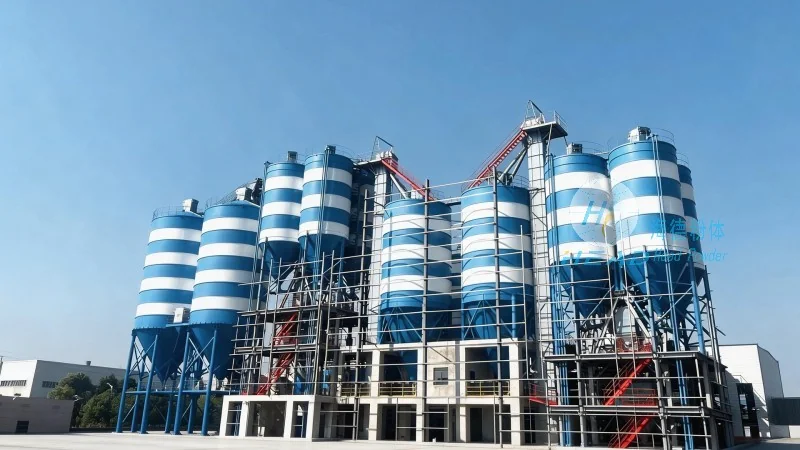
Pneumatic conveying systems for fertilizer granules are designed to transport bulk materials through a network of pipes using air pressure. These systems typically consist of a blower or compressor, a hopper for material storage, a conveying line, and a receiver for the discharged material. The primary advantage of pneumatic conveying is its ability to handle a wide range of granule sizes and types, from fine powders to larger granules, without the need for physical contact. This reduces wear and tear on equipment and minimizes the risk of material degradation or contamination.
Advantages of Pneumatic Conveying for Fertilizer Granules
Several key advantages make pneumatic conveying an ideal choice for fertilizer granule transportation. Firstly, it offers high conveying speeds and capacities, allowing for rapid movement of large volumes of material. This is particularly beneficial in industrial settings where continuous production and material flow are critical. Secondly, pneumatic systems are highly flexible, as they can be easily reconfigured or expanded to accommodate changes in production requirements or facility layout. The modular design of these systems enables quick installation and maintenance, reducing downtime and operational costs.
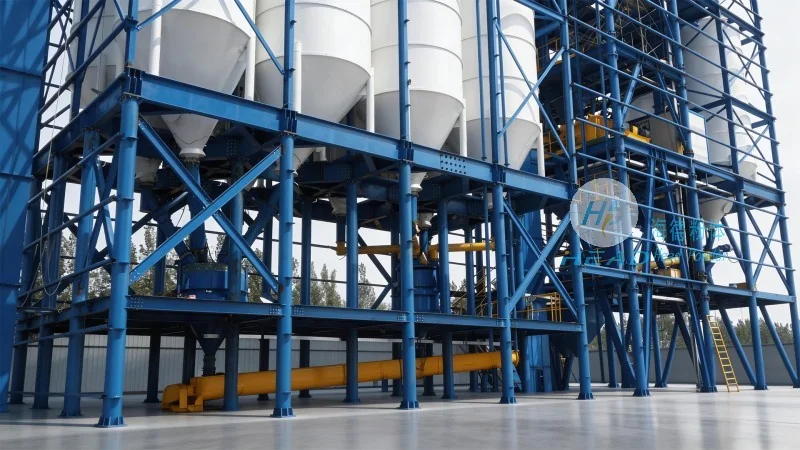
Another significant advantage is the ability to handle abrasive or corrosive materials without significant equipment wear. Fertilizer granules can be harsh on mechanical components, but pneumatic systems use air as the medium, minimizing direct contact and extending the lifespan of the conveying equipment. This results in lower maintenance costs and longer service intervals. Additionally, pneumatic conveying systems can be integrated with other processing equipment, such as mixers or dryers, creating a seamless material handling process from storage to application.
Key Features of Pneumatic Conveying Systems
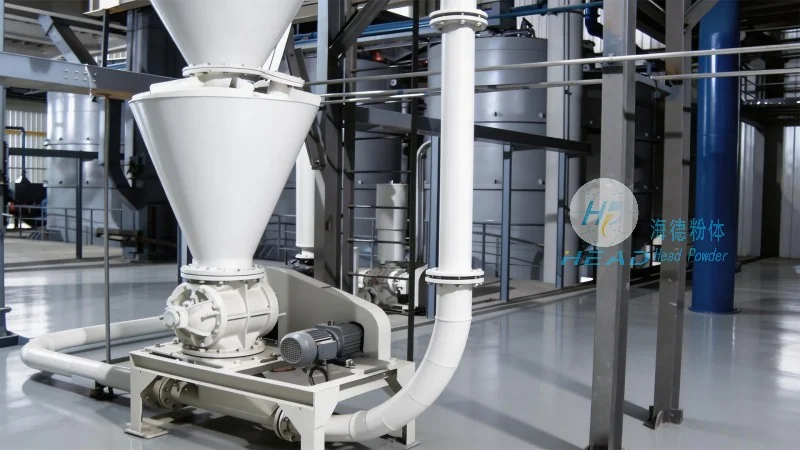
The effectiveness of a pneumatic conveying system for fertilizer granules depends on several key features. The blower or compressor plays a crucial role in generating the necessary air pressure to move the material. High-efficiency blowers ensure optimal performance while minimizing energy consumption. The design of the hopper and feeder is also critical, as it must effectively discharge material into the conveying line without causing blockages or uneven flow. Properly sized and positioned airlocks and filters are essential to prevent material leakage and maintain air quality. The receiver, where the material is discharged, should be designed to handle the specific characteristics of the fertilizer granules, ensuring smooth unloading and preventing material buildup.
Applications and Use Cases
Pneumatic conveying systems are widely used in various stages of fertilizer production and distribution. In manufacturing facilities, these systems are employed to transport raw materials from storage silos to processing units, and then to packaging lines. During the packaging process, pneumatic conveyors can efficiently move finished fertilizer granules from the production line to storage silos or loading areas. In agricultural settings, pneumatic systems are used to transport fertilizer from storage facilities to application equipment, such as spreaders or injectors. The flexibility of pneumatic conveying allows it to adapt to different operational scenarios, from small-scale farm operations to large industrial fertilizer plants.
Conclusion and Company Overview
Choosing the right fertilizer granule conveying method is essential for optimizing operational efficiency and ensuring the quality of the final product. Pneumatic conveying systems offer a superior solution compared to traditional mechanical methods, with advantages including high capacity, flexibility, and reduced equipment wear. Shandong HeadPowder Engineering Co., Ltd., a leading provider of bulk material handling solutions, specializes in designing and manufacturing advanced pneumatic conveying systems tailored to the specific needs of fertilizer producers. With years of experience in the industry, HeadPowder delivers reliable, efficient, and cost-effective conveying solutions that enhance the overall performance of fertilizer handling operations. Based in Shandong, China, HeadPowder leverages its expertise to provide customized solutions that meet the evolving demands of the agricultural sector.

 Công ty TNHH Kỹ thuật Công trình Bột Hải Đức Sơn Đông
 156-6277-7102(Quản lý Trương)
  0531-83386006
  Quận Chương Khâu, Thành phố Tế Nam, Tỉnh Sơn Đông, Trung Quốc
Điện thoại
WeChatTư vấn
Lên đầu