Công ty Hải Đức Bột với hơn 10 năm kinh nghiệm vận chuyển khí, cung cấp hệ thống‑thiết bị‑quạt gió và nhận dự án tổng thầu bột cả nước
When it comes to transporting aluminum hydroxide, selecting the right method is crucial for efficiency, safety, and cost-effectiveness. Aluminum hydroxide, a white solid with the chemical formula Al(OH)₃, is widely used in various industries including pharmaceuticals, cosmetics, and water treatment. Its handling requires careful consideration due to its fine particle size and potential dust generation. Among the available options, pneumatic conveying stands out as a preferred solution for many applications. This article explores the different transportation methods for aluminum hydroxide and highlights the advantages of pneumatic conveying.
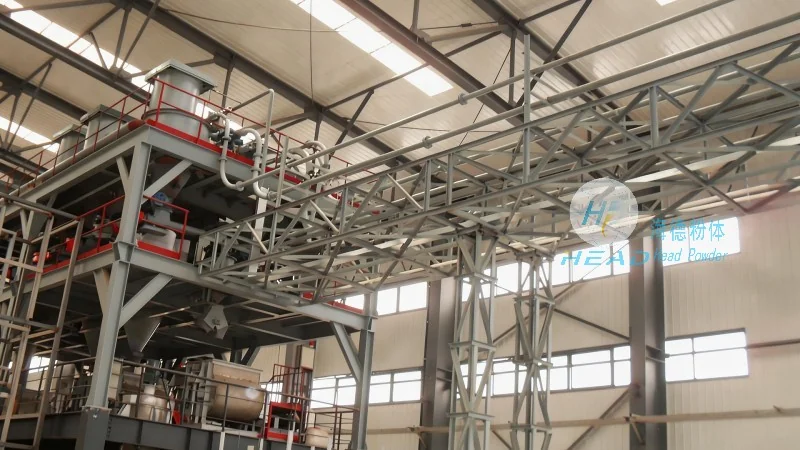
Pneumatic Conveying: A Preferred Method for Aluminum Hydroxide
HeadPowder, a leading provider of powder handling solutions, specializes in pneumatic conveying systems tailored for aluminum hydroxide. Pneumatic conveying involves transporting bulk materials like aluminum hydroxide through a pipeline using air or other gases. This method offers several key advantages that make it ideal for aluminum hydroxide transportation. First, it provides a dust-free environment, which is critical for maintaining product quality and ensuring workplace safety. Unlike traditional methods such as bucket elevators or belt conveyors, pneumatic conveying minimizes the risk of dust exposure, reducing the need for extensive dust control measures.
Second, pneumatic conveying systems are highly flexible and can be easily integrated into existing production lines. They can handle both short and long-distance transportation, making them suitable for various industrial settings. The system can be designed to operate in different modes, including pressure and vacuum conveying, allowing for versatile material handling. For aluminum hydroxide, which is often used in high-purity applications, the ability to maintain a clean and controlled environment is paramount. Pneumatic conveying helps preserve the material's quality by preventing contamination from external sources.
Third, the efficiency of pneumatic conveying systems is notable. These systems can transport aluminum hydroxide at high speeds, reducing the overall time and labor required for material movement. The continuous flow of material through the pipeline minimizes bottlenecks and ensures a steady supply to downstream processes. This efficiency is particularly beneficial in large-scale production facilities where consistent material flow is essential for maintaining operational productivity.
Fourth, pneumatic conveying systems are relatively low in maintenance compared to other bulk material handling equipment. The absence of moving parts in the conveying line reduces wear and tear, leading to lower operational costs over time. This makes the system cost-effective for long-term use, especially for companies dealing with large volumes of aluminum hydroxide. HeadPowder's expertise in designing and manufacturing pneumatic conveying systems ensures that clients receive reliable and durable equipment tailored to their specific needs.
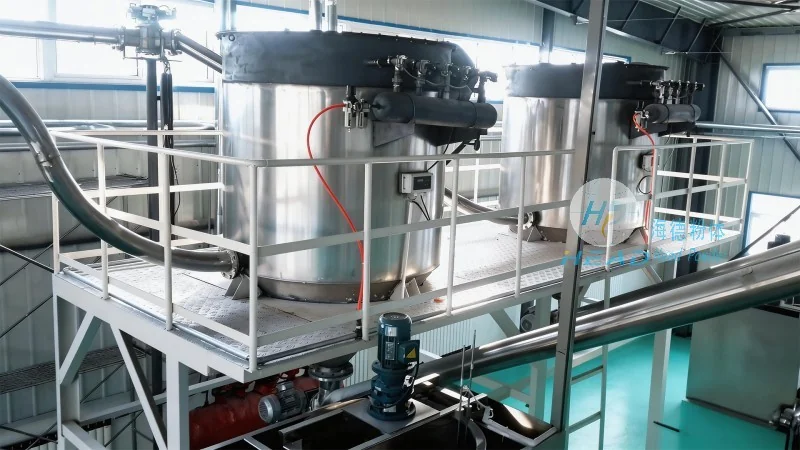
Other Transportation Methods for Aluminum Hydroxide
While pneumatic conveying is widely favored, other methods are also used for aluminum hydroxide transportation. One such method is the use of bucket elevators, which are commonly employed in industries where vertical transportation is required. Bucket elevators consist of a continuous belt or chain with buckets attached, which lift the material vertically. However, this method is less suitable for fine powders like aluminum hydroxide due to the risk of material spillage and increased dust generation. Another method is belt conveyors, which use a moving belt to transport material horizontally or at a slight incline. Belt conveyors are effective for transporting larger particles but may not be ideal for the fine nature of aluminum hydroxide, as the material can easily fall through the belt or cause blockages.
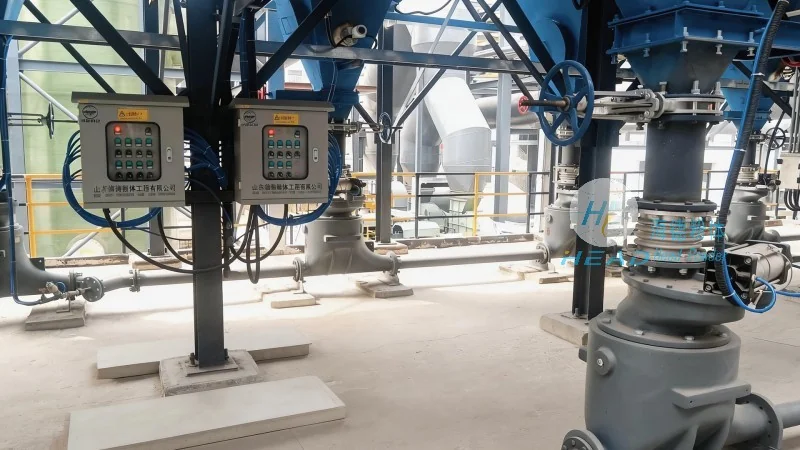
Additionally, screw conveyors are used in some applications, particularly for transporting bulk materials in a confined space. Screw conveyors consist of a rotating screw inside a tube, which moves the material forward. However, these systems are prone to clogging with fine powders like aluminum hydroxide, requiring regular maintenance and cleaning. For these reasons, many industries prefer pneumatic conveying as the primary method for aluminum hydroxide transportation, given its ability to handle fine powders efficiently and safely.
Advantages of Pneumatic Conveying for Aluminum Hydroxide
From the perspective of HeadPowder, the advantages of pneumatic conveying for aluminum hydroxide are multifaceted. The company's commitment to providing high-quality powder handling solutions is evident in the design and implementation of pneumatic conveying systems. The dust-free environment is a significant benefit, as it helps maintain the purity of the aluminum hydroxide, which is critical for applications in pharmaceuticals and cosmetics. The flexibility of the system allows for easy integration into existing production lines, reducing downtime and increasing operational efficiency.
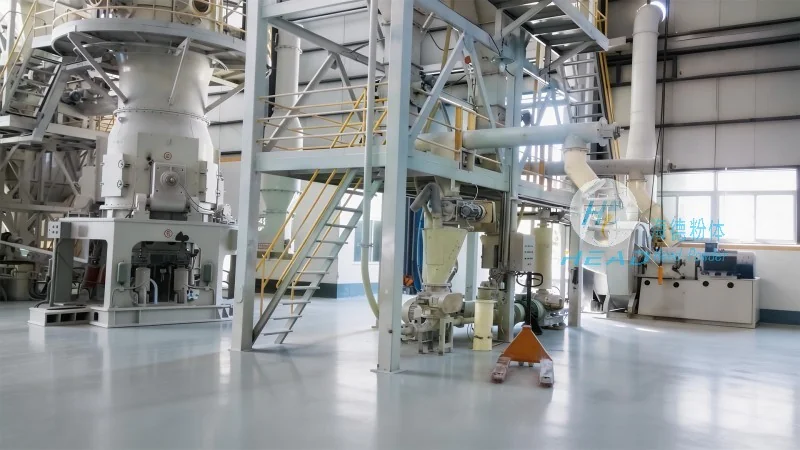
Moreover, the efficiency of pneumatic conveying systems contributes to cost savings. By minimizing the time and labor required for material movement, companies can reduce operational costs and improve overall productivity. The low maintenance requirements further enhance the cost-effectiveness of the system, as fewer repairs and replacements are needed over time. HeadPowder's expertise in customizing pneumatic conveying systems ensures that clients receive solutions that are tailored to their specific requirements, maximizing the benefits of the technology.
Another key advantage is the safety aspect. Pneumatic conveying systems are enclosed, which prevents dust from escaping into the workplace. This reduces the risk of respiratory issues and other health hazards associated with fine powder handling. The enclosed system also minimizes the risk of material spillage, which can be a concern with other transportation methods. For aluminum hydroxide, which is non-toxic but can cause irritation if inhaled in large quantities, the safety features of pneumatic conveying are particularly important.
Conclusion
In conclusion, the choice of transportation method for aluminum hydroxide depends on various factors, including the material's properties, the application requirements, and the operational environment. Pneumatic conveying, as highlighted by HeadPowder, offers several advantages that make it a preferred solution for many industries. The dust-free environment, flexibility, efficiency, and safety features of pneumatic conveying systems make them ideal for handling aluminum hydroxide. HeadPowder, with its expertise in powder handling solutions, provides reliable and effective pneumatic conveying systems that meet the needs of clients in various sectors. By adopting pneumatic conveying, companies can enhance their operational efficiency, maintain product quality, and ensure workplace safety, ultimately contributing to their long-term success.

 Công ty TNHH Kỹ thuật Công trình Bột Hải Đức Sơn Đông
 156-6277-7102(Quản lý Trương)
  0531-83386006
  Quận Chương Khâu, Thành phố Tế Nam, Tỉnh Sơn Đông, Trung Quốc
Điện thoại
WeChatTư vấn
Lên đầu