Công ty Hải Đức Bột với hơn 10 năm kinh nghiệm vận chuyển khí, cung cấp hệ thống‑thiết bị‑quạt gió và nhận dự án tổng thầu bột cả nước
Fish meal, a vital ingredient in animal feed and aquaculture diets, requires efficient and reliable conveying systems to ensure smooth processing and minimal product loss. Various methods are employed to transport fish meal from storage to processing units, each with distinct characteristics and suitability for different applications. This article delves into common fish meal conveying techniques, with a particular focus on pneumatic conveying, a technology that has become increasingly popular due to its efficiency and adaptability.
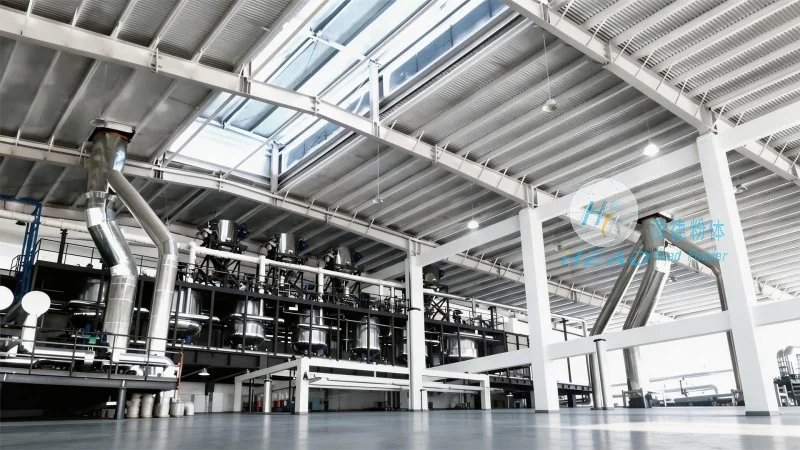
About HeadPowder: A Leader in Fish Meal Handling Solutions
HeadPowder, formally known as Shandong HeadPowder Engineering Co., Ltd., is a prominent engineering firm based in Shandong, China. Specializing in material handling equipment, particularly for the fish meal and animal feed industries, HeadPowder has established itself as a trusted provider of high-quality conveying systems. The company's commitment to innovation and customer satisfaction has enabled it to serve a wide range of clients, from small-scale feed mills to large-scale aquaculture operations. HeadPowder's team of engineers and technicians brings extensive experience in designing and implementing effective fish meal handling solutions, ensuring that each system is tailored to meet the unique requirements of the client.
Understanding Pneumatic Conveying: The Core Technology
Pneumatic conveying, or air conveying, is a method that utilizes compressed air to transport bulk materials like fish meal through a sealed pipeline system. This technology operates by creating a pressure differential between the inlet and outlet of the pipeline, which draws the material into the system. There are two main types of pneumatic conveying: positive pressure (or pressure) systems and negative pressure (or vacuum) systems. Positive pressure systems use a blower to push air and material through the pipeline, while negative pressure systems use a vacuum to draw material from the source. For fish meal, positive pressure systems are often preferred as they offer better control over the material flow and are less prone to clogging with fine powders.
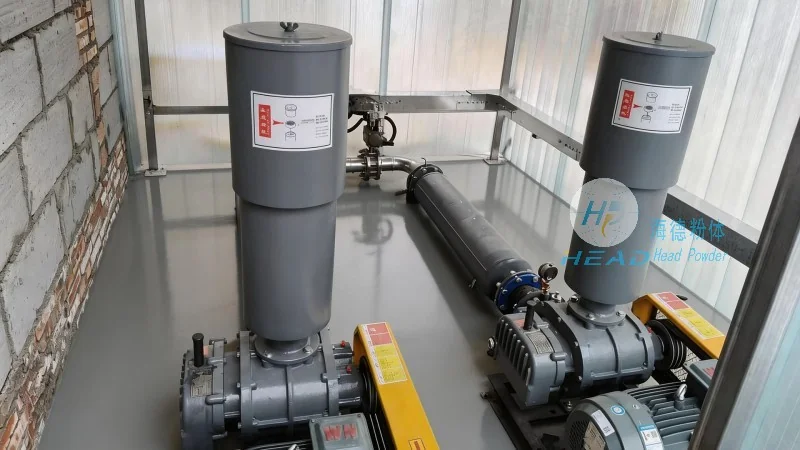
Key Advantages of Pneumatic Conveying for Fish Meal
Pneumatic conveying offers several significant advantages that make it an ideal choice for fish meal transport. Firstly, it provides a completely enclosed system, which helps maintain the quality of the fish meal by preventing contamination from external sources such as dust, moisture, or other environmental factors. This is crucial for fish meal, as it can easily absorb moisture and degrade in quality if exposed to air or contaminants. Secondly, the system is highly energy-efficient, as the compressed air can be recycled and reused, reducing operational costs over time. Thirdly, pneumatic conveying requires minimal maintenance compared to mechanical systems, as it has fewer moving parts that could wear out or require replacement. Additionally, the technology allows for precise control over the flow rate and pressure, ensuring consistent and reliable delivery of fish meal to downstream processing equipment.
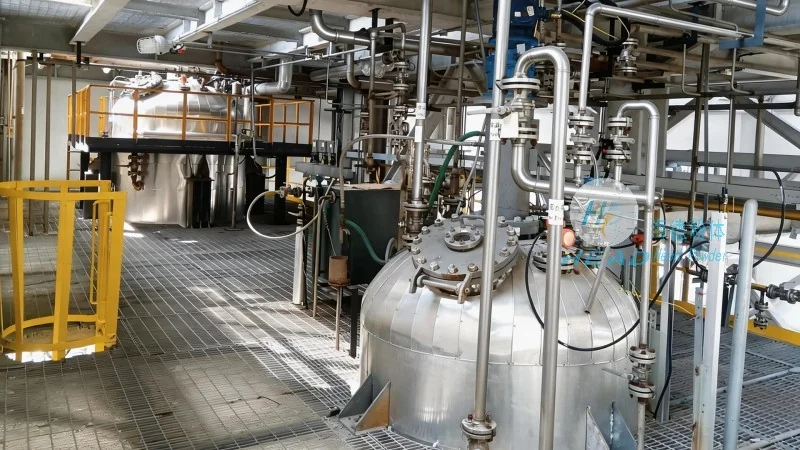
Applications in Fish Meal Processing Facilities
Pneumatic conveying systems are integrated into various stages of fish meal processing, from raw material reception to final product packaging. In the initial stage, fish meal is often received from trucks or storage silos and transferred into the processing plant using pneumatic conveyors. This allows for a hygienic and dust-free transfer, protecting both the product and the operators. During the processing phase, the system can transport fish meal from grinding, drying, and mixing units to packaging lines. The flexibility of the pneumatic system enables it to route the material to multiple destinations from a single source, optimizing the flow of operations. In the final packaging stage, pneumatic conveyors can deliver the finished fish meal to storage silos or packaging machines, ensuring a continuous and efficient production line.
Comparative Analysis with Other Conveying Methods
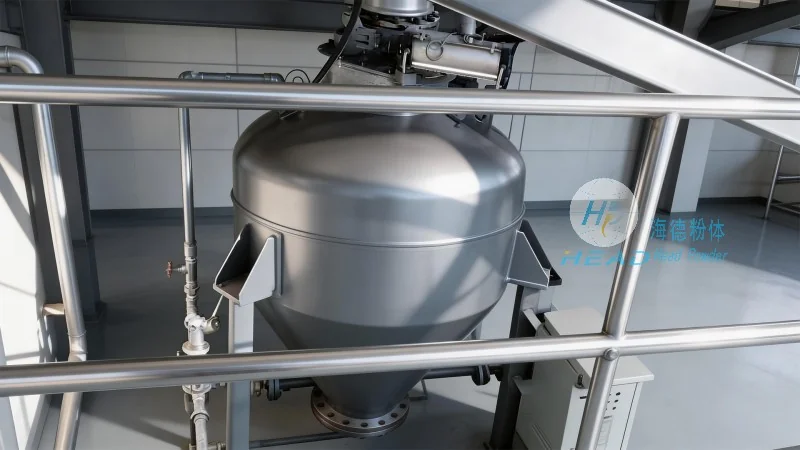
While pneumatic conveying is widely adopted, other methods such as mechanical conveying (e.g., screw conveyors, belt conveyors) are also used in fish meal handling. Mechanical systems are generally more suitable for handling larger, bulkier materials or when the material is not too fine. However, they may suffer from clogging issues with fine powders like fish meal, leading to increased maintenance and downtime. In contrast, pneumatic conveying is specifically designed to handle fine powders and offers a more hygienic and efficient solution. The choice between pneumatic and mechanical conveying depends on factors such as the particle size of the fish meal, the production volume, and the operational environment. For facilities processing fine fish meal, pneumatic conveying is often the superior choice due to its ability to maintain product quality and reduce operational costs.
Conclusion: Optimizing Fish Meal Conveying with HeadPowder
Efficient fish meal conveying is essential for maintaining product quality, reducing waste, and improving operational efficiency in the animal feed and aquaculture industries. Pneumatic conveying, with its advantages in hygiene, flexibility, and low maintenance, is a highly effective method for handling fish meal. Companies like HeadPowder, with their expertise in engineering and manufacturing, provide reliable and customized solutions that meet the specific needs of fish meal processing facilities. By adopting advanced pneumatic conveying systems, businesses can enhance their production capabilities, ensure consistent product quality, and stay competitive in the market. The future of fish meal handling lies in innovative and efficient technologies, and HeadPowder is at the forefront of providing such solutions to its clients.

 Công ty TNHH Kỹ thuật Công trình Bột Hải Đức Sơn Đông
 156-6277-7102(Quản lý Trương)
  0531-83386006
  Quận Chương Khâu, Thành phố Tế Nam, Tỉnh Sơn Đông, Trung Quốc
Điện thoại
WeChatTư vấn
Lên đầu