Công ty Hải Đức Bột với hơn 10 năm kinh nghiệm vận chuyển khí, cung cấp hệ thống‑thiết bị‑quạt gió và nhận dự án tổng thầu bột cả nước
When it comes to transporting wood powder, selecting the right conveying method is crucial for efficiency, cost-effectiveness, and operational safety. Various options are available, each with its own advantages and applications. This article will explore common wood powder conveying methods, with a particular focus on pneumatic conveying, a widely used technique in the industry.
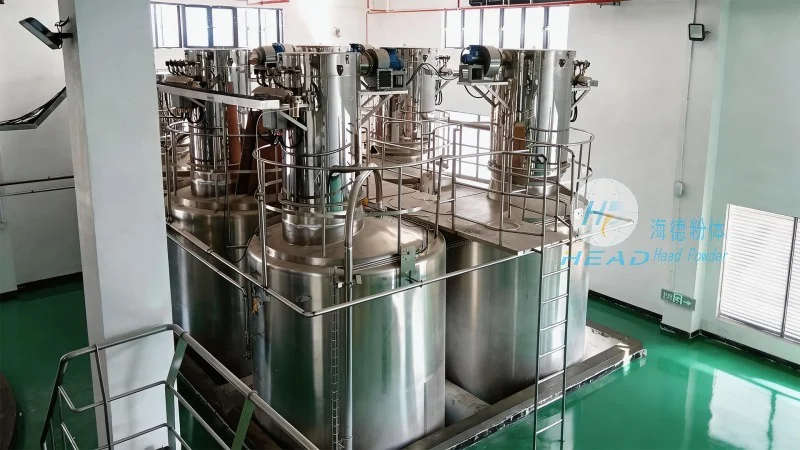
Overview of Wood Powder Conveying Methods
Wood powder, often produced from wood processing operations such as sawmilling or pelletizing, requires reliable transportation from one point to another within a facility or between locations. Traditional methods like belt conveyors and screw conveyors have been used for decades, but they may face challenges with fine powders, including dust accumulation, material degradation, and increased maintenance. Pneumatic conveying, on the other hand, offers a more efficient and flexible solution, especially for high-volume or long-distance transport of wood powder.
Pneumatic Conveying: The Preferred Method for Wood Powder
Pneumatic conveying systems use air or other gases to transport solid materials like wood powder through a pipeline. This method is particularly effective for wood powder due to its ability to handle fine particles, minimize dust dispersion, and maintain material integrity. There are two main types of pneumatic conveying: pressure and vacuum systems. Pressure systems use compressed air to push the material through the pipeline, while vacuum systems use a vacuum to draw the material into the system.
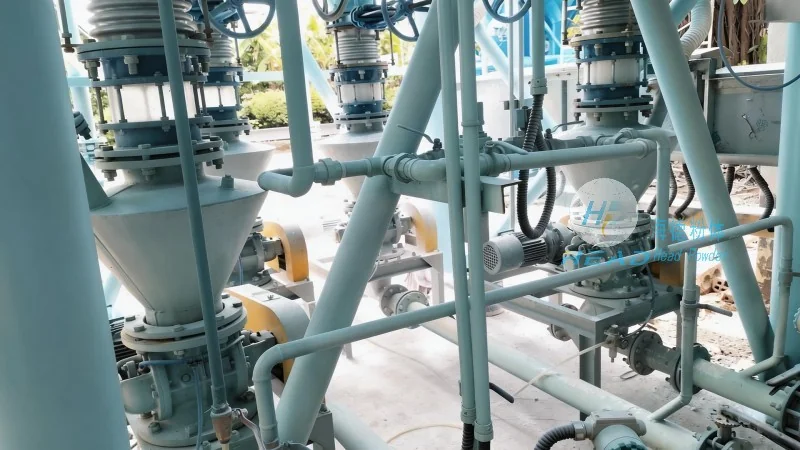
For wood powder applications, pressure pneumatic conveying is often preferred because it can handle higher material loads and longer distances more effectively. The system typically consists of a hopper, a feeder, a pipeline, and a receiver. The wood powder is fed into the hopper, then transferred to the feeder, which meters the material into the pipeline. Compressed air is then introduced to move the powder through the pipeline to the receiver, where it is collected.
Key Benefits of Pneumatic Conveying for Wood Powder
Implementing pneumatic conveying for wood powder offers several advantages over traditional methods. First, it significantly reduces dust generation and improves workplace safety by containing the material within a closed system. This is critical in environments where dust can be a health hazard or cause equipment damage. Second, pneumatic conveying minimizes material degradation, as the material is not subjected to excessive friction or impact that can occur with mechanical conveyors. Third, it offers greater flexibility in system design, allowing for changes in material flow direction or distance without major modifications. Additionally, the system can be integrated with other processing equipment, enhancing overall operational efficiency.
Applications of Pneumatic Conveying in Wood Powder Processing
Pneumatic conveying is widely used in various stages of wood powder processing. For example, in sawmills, it can transport wood chips to a grinding station to produce wood powder. In pellet plants, it is used to move wood powder from the grinding area to the pelletizing line. In storage facilities, it can transfer wood powder from silos to processing equipment. The versatility of pneumatic conveying makes it suitable for a wide range of applications, from small-scale operations to large industrial facilities.
Considerations for Choosing a Pneumatic Conveying System
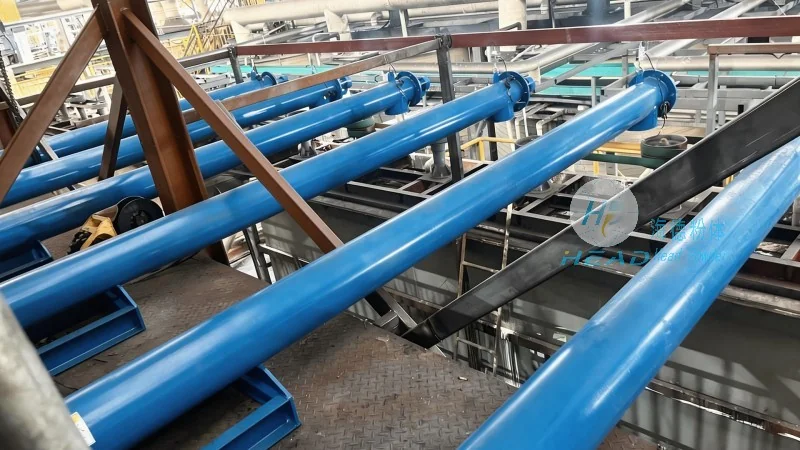
When selecting a pneumatic conveying system for wood powder, several factors should be considered. The first is the material characteristics, such as particle size, moisture content, and flowability. These factors will determine the type of system (e.g., pressure or vacuum) and the necessary equipment specifications. The second is the distance and volume of material to be transported. Longer distances or higher volumes may require more powerful compressors or larger pipelines. The third is the budget and maintenance requirements. While pneumatic systems may have higher initial costs, they often offer lower long-term maintenance costs due to reduced wear and tear on equipment. Finally, the space available for installation and the environmental regulations in the area should be considered.
Conclusion
Wood powder conveying is a critical aspect of many wood processing operations, and choosing the right method can impact efficiency and safety. Pneumatic conveying, particularly pressure systems, has emerged as a preferred solution due to its ability to handle fine powders, minimize dust, and maintain material integrity. By understanding the benefits and considerations of pneumatic conveying, businesses can make informed decisions to optimize their wood powder transport processes. For more information on pneumatic conveying systems for wood powder, contact Shandong HeadPowder Engineering Co., Ltd., a leading provider of wood powder processing solutions based in Shandong, China.

 Công ty TNHH Kỹ thuật Công trình Bột Hải Đức Sơn Đông
 156-6277-7102(Quản lý Trương)
  0531-83386006
  Quận Chương Khâu, Thành phố Tế Nam, Tỉnh Sơn Đông, Trung Quốc
Điện thoại
WeChatTư vấn
Lên đầu