Công ty Hải Đức Bột với hơn 10 năm kinh nghiệm vận chuyển khí, cung cấp hệ thống‑thiết bị‑quạt gió và nhận dự án tổng thầu bột cả nước
When it comes to transporting sulfate iron, selecting the right method is crucial for ensuring efficiency, safety, and cost-effectiveness in industrial operations. Sulfate iron, also known as ferric sulfate, is a widely used chemical in water treatment, paper manufacturing, and other industrial processes. The choice of transportation method depends on factors such as the material's properties, the distance to be covered, and the specific requirements of the application. In this article, we will explore common sulfate iron transportation methods, with a particular focus on the advantages and applications of pneumatic conveying systems. This discussion is presented by Shandong HeadPowder Engineering Co., Ltd., a leading provider of bulk material handling solutions, with expertise in optimizing transportation processes for industrial chemicals like sulfate iron.
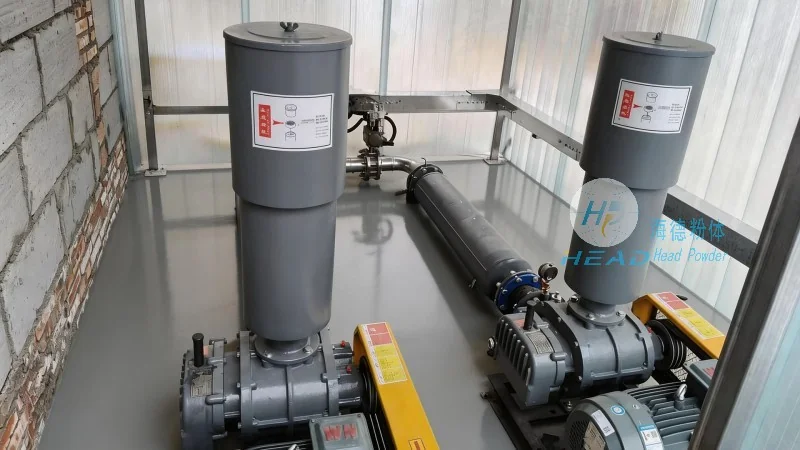
Overview of Sulfate Iron Transportation Methods
Sulfate iron, with its hygroscopic and sometimes abrasive nature, requires specialized handling to prevent caking, degradation, or equipment damage. Traditional transportation methods include bulk handling via trucks or railcars, but these often involve manual loading and unloading, which can be labor-intensive and pose safety risks. More advanced methods have been developed to address these challenges, including mechanical conveying systems like screw conveyors and belt conveyors, as well as fluidized bed or pneumatic systems.
Pneumatic Conveying: A Modern Solution for Sulfate Iron Transport
Pneumatic conveying, or air-assisted transport, is a highly effective method for moving sulfate iron and other bulk materials. This technology uses a combination of air pressure and vacuum to transport material through a pipeline system. There are two main types of pneumatic conveying: pressure and vacuum systems. Pressure systems use compressed air to push material forward, while vacuum systems use a vacuum to draw material into the pipeline. Both methods offer advantages in terms of speed, flexibility, and the ability to handle materials with varying properties.
For sulfate iron, pneumatic conveying is particularly advantageous due to its ability to handle fine powders and prevent material degradation. The system typically consists of a hopper, a feeder, a pipeline, and a receiver. The material is fed into the hopper and then transported through the pipeline using air pressure or vacuum. The receiver collects the material at the destination, allowing for seamless transfer between storage and processing areas.
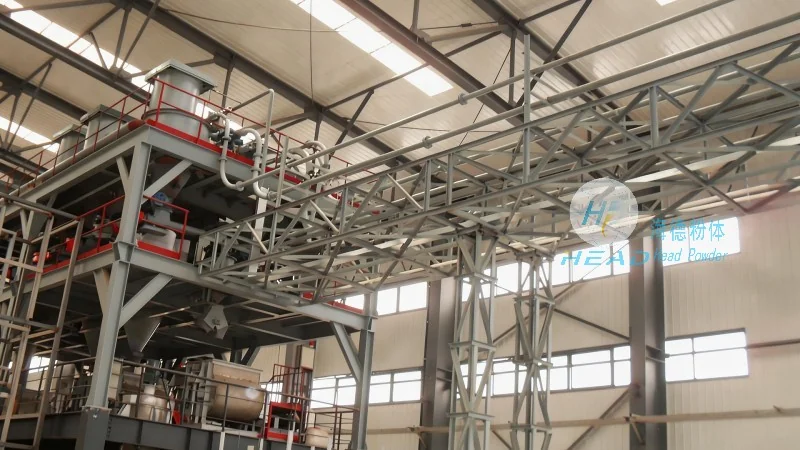
Advantages of Pneumatic Conveying for Sulfate Iron
Compared to traditional methods, pneumatic conveying offers several key benefits for sulfate iron transport. First, it eliminates the need for manual handling, reducing labor costs and improving workplace safety. The enclosed pipeline system prevents dust emissions, which is critical for maintaining air quality and complying with environmental regulations. Additionally, pneumatic systems can transport materials over longer distances with minimal loss, ensuring consistent material flow and reducing downtime.
Another advantage is the flexibility of pneumatic conveying. The system can be easily integrated with existing industrial infrastructure, and the pipeline layout can be adjusted to accommodate changes in production or facility layout. This adaptability makes it suitable for both new installations and retrofitting in existing plants. Furthermore, pneumatic systems can handle a wide range of material characteristics, including varying particle sizes, moisture content, and bulk density, without requiring significant modifications.
Applications of Sulfate Iron Pneumatic Conveying
Sulfate iron is commonly used in water treatment plants to remove impurities and improve water quality. Pneumatic conveying systems are ideal for transporting the chemical from storage silos to dosing equipment, ensuring a steady and controlled supply. In the paper industry, sulfate iron is used as a coagulant to improve paper quality and strength. The pneumatic system can efficiently move the material from storage to the paper mill's processing lines, maintaining consistent performance.
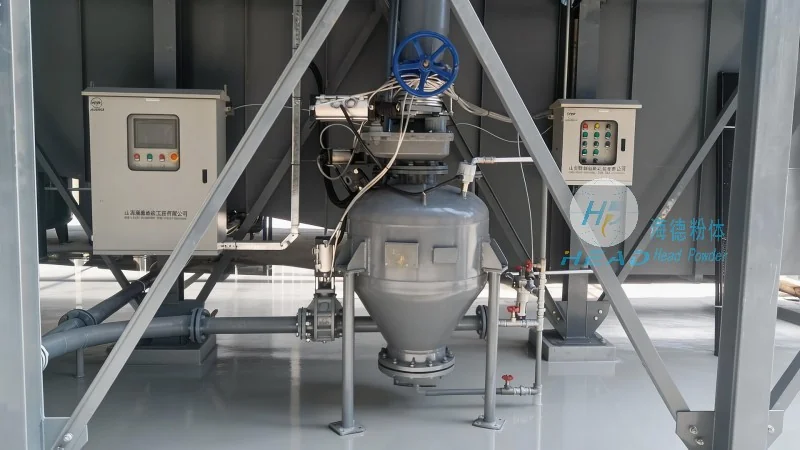
In the chemical industry, sulfate iron is used in various processes, and pneumatic conveying helps streamline material transfer between reactors and storage tanks. The ability to handle fine powders without clogging the pipeline is particularly important in these applications, as it ensures reliable operation and reduces maintenance costs.
Key Considerations for Implementing Sulfate Iron Pneumatic Conveying
While pneumatic conveying offers numerous benefits, several factors must be considered when implementing such a system for sulfate iron. First, the material's properties, such as its flowability and moisture content, must be carefully evaluated to ensure the system can handle it effectively. For example, if the sulfate iron is prone to caking, additional equipment like a rotary valve or a vibratory feeder may be required to prevent blockages.
Second, the system's design must account for the material's hygroscopic nature. Proper sealing and moisture control are essential to prevent material degradation and maintain the system's efficiency. This may involve using corrosion-resistant materials for the pipeline and components, as sulfate iron can be corrosive in certain conditions.
Third, the air flow rate and pressure must be optimized to ensure efficient transport without excessive energy consumption. Proper sizing of the pipeline and air compressor is critical to achieving the desired material flow rate while minimizing operational costs.
Conclusion
Pneumatic conveying represents a modern and efficient solution for transporting sulfate iron in industrial applications. By leveraging air pressure or vacuum to move material through a pipeline system, this technology offers advantages in terms of safety, flexibility, and material handling. For companies like Shandong HeadPowder Engineering Co., Ltd., which specializes in bulk material handling solutions, pneumatic conveying systems are a key part of their product portfolio. With a focus on quality and innovation, HeadPowder provides tailored solutions to meet the specific needs of their clients, ensuring reliable and cost-effective sulfate iron transportation. Whether for water treatment, paper manufacturing, or other industrial processes, pneumatic conveying is a robust choice for moving sulfate iron efficiently and safely.

 Công ty TNHH Kỹ thuật Công trình Bột Hải Đức Sơn Đông
 156-6277-7102(Quản lý Trương)
  0531-83386006
  Quận Chương Khâu, Thành phố Tế Nam, Tỉnh Sơn Đông, Trung Quốc
Điện thoại
WeChatTư vấn
Lên đầu