Công ty Hải Đức Bột với hơn 10 năm kinh nghiệm vận chuyển khí, cung cấp hệ thống‑thiết bị‑quạt gió và nhận dự án tổng thầu bột cả nước
Phosphate calcium is a critical raw material in various industrial applications, including fertilizer production, food processing, and pharmaceutical manufacturing. Efficient and reliable material handling is essential to ensure smooth production processes and maintain product quality. Among the various conveying methods available, pneumatic conveying stands out as a versatile and effective solution for transporting phosphate calcium. This article provides an overview of common phosphate calcium conveying methods, with a focus on the advantages and applications of phosphate calcium pneumatic conveying.
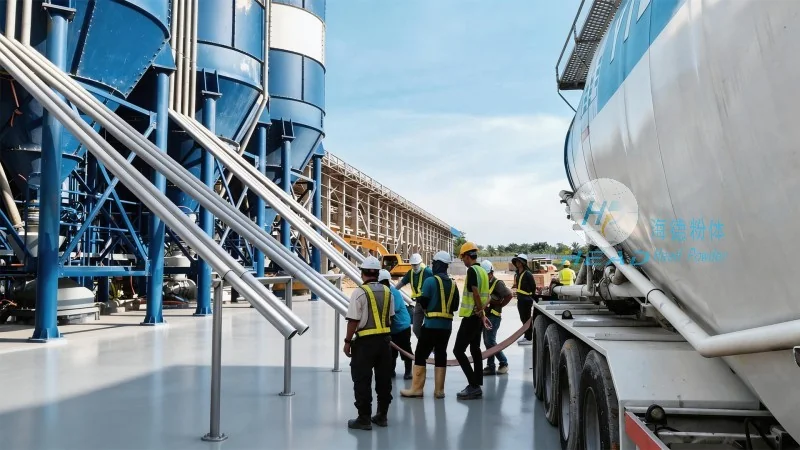
Introduction to Phosphate Calcium Conveying
Phosphate calcium, also known as calcium phosphate, is a compound widely used in industries due to its nutritional and functional properties. Its handling and transportation require specialized equipment to prevent material degradation, dust generation, and operational inefficiencies. Conveying systems are designed to move phosphate calcium from storage to processing units, and the choice of method depends on factors such as material characteristics, distance, volume, and environmental considerations. Common conveying methods include gravity flow, mechanical conveyors, and pneumatic systems. Each method has its own set of advantages and limitations, making the selection process critical for optimizing production efficiency.
Common Phosphate Calcium Conveying Methods
Gravity flow systems utilize the natural force of gravity to move phosphate calcium from elevated storage bins to lower processing areas. These systems typically involve hoppers, chutes, and flow control devices to regulate the material flow. Gravity conveyors are simple, low-cost, and suitable for short distances and low volumes. However, they are limited by the need for vertical height and are not suitable for horizontal or long-distance transport. Mechanical conveyors, such as belt conveyors, screw conveyors, and bucket elevators, use mechanical power to move phosphate calcium. Belt conveyors are widely used for bulk material handling, offering high capacity and durability. Screw conveyors are ideal for handling fine powders and granules, while bucket elevators are effective for vertical transport. Mechanical systems are reliable and easy to maintain but may generate dust and require regular cleaning to prevent material buildup.
Phosphate Calcium Pneumatic Conveying: A Detailed Overview
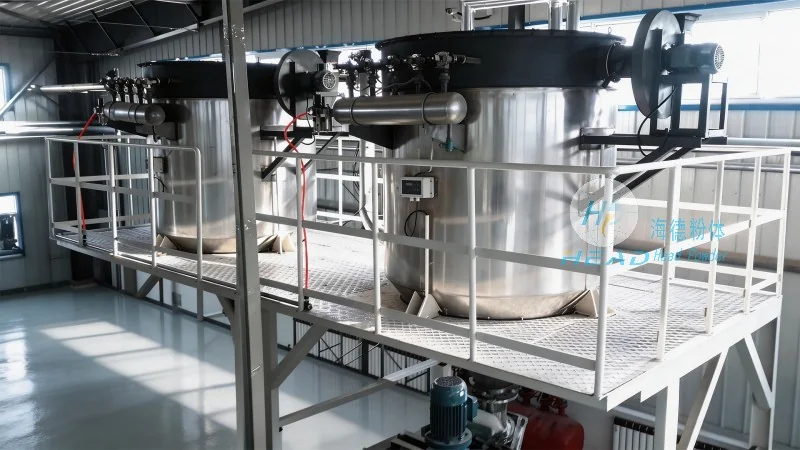
Pneumatic conveying, also known as air conveying, is a method that uses compressed air to transport phosphate calcium through a pipeline system. This technology offers several advantages over traditional mechanical and gravity systems, including high material handling capacity, flexibility in layout, and reduced dust exposure. Pneumatic systems can transport phosphate calcium over long distances and through complex layouts, making them suitable for large-scale industrial applications. There are two main types of pneumatic conveying: pressure and vacuum systems. Pressure systems use positive pressure to push material through the pipeline, while vacuum systems use negative pressure to pull material. The choice between pressure and vacuum depends on the distance, material characteristics, and system design. For phosphate calcium, pressure systems are often preferred due to their ability to handle high volumes and maintain consistent flow rates.
Advantages of Phosphate Calcium Pneumatic Conveying
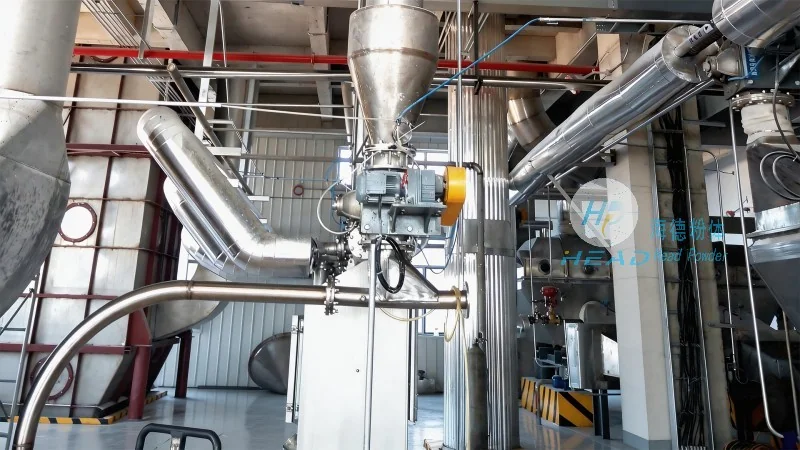
Phosphate calcium pneumatic conveying offers numerous benefits that make it an attractive option for industrial applications. One of the key advantages is the ability to handle fine powders and granules without the need for additional equipment. The enclosed pipeline system minimizes dust generation, improving workplace safety and reducing environmental impact. Pneumatic systems also provide better material control, as the flow rate and pressure can be precisely adjusted to match production requirements. This results in improved product quality and reduced waste. Additionally, pneumatic conveying is flexible and can be easily integrated with existing production lines, allowing for future expansion and modifications. The system's compact design and minimal maintenance requirements further enhance its cost-effectiveness, making it a viable solution for both new and existing facilities.
Applications of Phosphate Calcium Pneumatic Conveying
Phosphate calcium pneumatic conveying is widely used in various industries due to its adaptability and efficiency. In the fertilizer industry, pneumatic systems are used to transport phosphate calcium from storage to blending and packaging units. The ability to handle large volumes and maintain consistent flow rates ensures smooth production processes and meets the high demand for fertilizer products. In food processing, pneumatic conveying is employed to transport phosphate calcium used as a food additive or nutrient supplement. The enclosed system prevents contamination and maintains product purity, which is critical for food safety regulations. The pharmaceutical industry also utilizes pneumatic conveying for transporting phosphate calcium used in drug formulations. The sterile and controlled environment of the system ensures that the material remains free from contaminants, meeting stringent quality standards. Other applications include chemical processing, where phosphate calcium is used as a raw material in the production of various chemicals, and agricultural applications, where it is used as a fertilizer or soil amendment.
Conclusion
Choosing the right conveying method for phosphate calcium is crucial to optimizing production efficiency and maintaining product quality. While gravity and mechanical systems have their uses, pneumatic conveying offers superior flexibility, capacity, and environmental benefits. Shandong HeadPowder Engineering Co., Ltd., a leading provider of material handling solutions, specializes in designing and manufacturing customized pneumatic conveying systems for phosphate calcium applications. With years of experience and a commitment to quality, HeadPowder ensures that their systems meet the specific needs of each client, providing reliable and efficient material transport solutions. Whether for short or long-distance transport, high or low volume, HeadPowder's pneumatic conveying systems are designed to enhance operational performance and reduce costs. By leveraging the advantages of pneumatic technology, industries can improve their production processes and achieve greater success in the market.

 Công ty TNHH Kỹ thuật Công trình Bột Hải Đức Sơn Đông
 156-6277-7102(Quản lý Trương)
  0531-83386006
  Quận Chương Khâu, Thành phố Tế Nam, Tỉnh Sơn Đông, Trung Quốc
Điện thoại
WeChatTư vấn
Lên đầu