Công ty Hải Đức Bột với hơn 10 năm kinh nghiệm vận chuyển khí, cung cấp hệ thống‑thiết bị‑quạt gió và nhận dự án tổng thầu bột cả nước
Styrene, a crucial chemical intermediate widely used in the production of polystyrene and other polymers, requires efficient and reliable conveying methods for safe and effective handling in industrial applications. The choice of conveying method depends on factors such as material properties, process requirements, and operational conditions. This article explores common styrene conveying methods, with a focus on the advantages and applications of pneumatic conveying, a popular technique for transporting styrene in industrial settings.
Overview of Styrene Conveying Methods
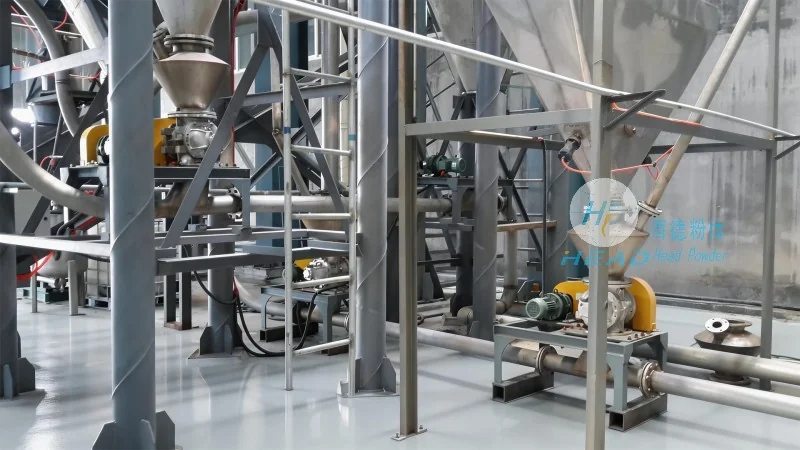
Styrene is typically transported in industrial processes using various methods, each with its own advantages and limitations. The primary methods include pneumatic conveying, mechanical conveying (like screw conveyors and belt conveyors), and hydraulic conveying. Pneumatic conveying, in particular, has gained significant popularity due to its ability to handle fine powders and liquids, making it suitable for styrene, which can exist in liquid or powder form depending on temperature and pressure conditions.
Pneumatic Conveying: The Preferred Method for Styrene Transport
Pneumatic conveying is a non-contact method that uses air or other gases to transport materials through a pipeline. For styrene, this method is advantageous because it minimizes product contamination, reduces material degradation, and allows for precise control over flow rates. There are two main types of pneumatic conveying systems: pressure and vacuum. Pressure systems use compressed air to push the material through the pipeline, while vacuum systems use a vacuum to pull the material. Both systems can be designed to handle different particle sizes and flow rates, making them versatile for styrene applications.
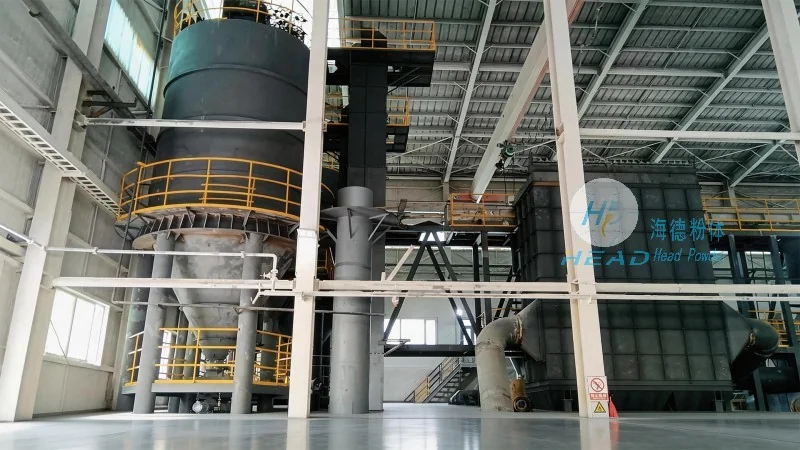
Key Components of a Styrene Pneumatic Conveying System
A typical styrene pneumatic conveying system consists of several key components, including a material feeder, a conveying line, a separator, and a receiver. The material feeder is responsible for feeding styrene into the system, ensuring a consistent flow rate. The conveying line transports the material from the feeder to the separator, where the air and material are separated. The receiver collects the conveyed styrene, ready for further processing. Each component must be designed to handle the specific properties of styrene, such as its viscosity and potential for caking, to ensure efficient operation.
Advantages of Pneumatic Conveying for Styrene
There are several advantages to using pneumatic conveying for styrene transport. First, it provides a clean and hygienic environment, which is essential for maintaining product quality and meeting regulatory standards. Second, it reduces the risk of product contamination from external sources, as the material is enclosed in a pipeline. Third, it allows for precise control over flow rates, which is critical for maintaining consistent product quality. Finally, pneumatic conveying systems can be designed to handle high volumes of material, making them suitable for large-scale industrial applications.
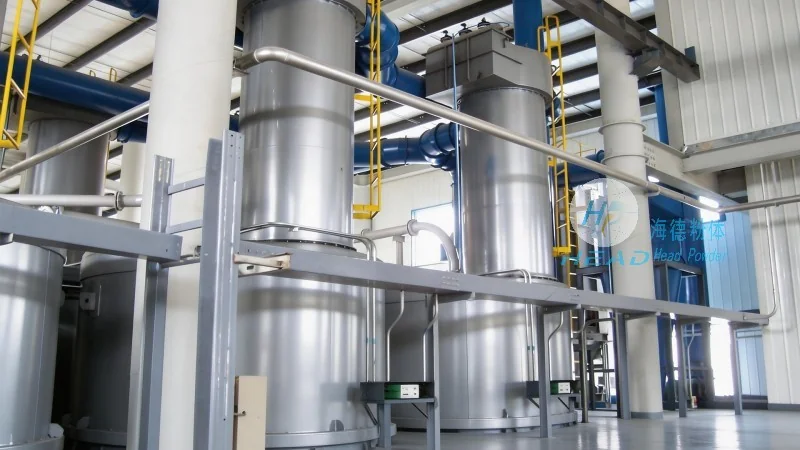
Applications of Styrene Pneumatic Conveying
Styrene pneumatic conveying systems are used in a variety of applications, including the production of polystyrene, styrene-butadiene rubber (SBR), and other styrene-based polymers. In these applications, the system is used to transport styrene from storage tanks to processing equipment, ensuring a continuous and efficient supply of material. The system can also be used to transport styrene from one processing stage to another, such as from a reactor to a distillation unit. The versatility of pneumatic conveying makes it suitable for a wide range of styrene applications.
Considerations for Choosing a Styrene Conveying System
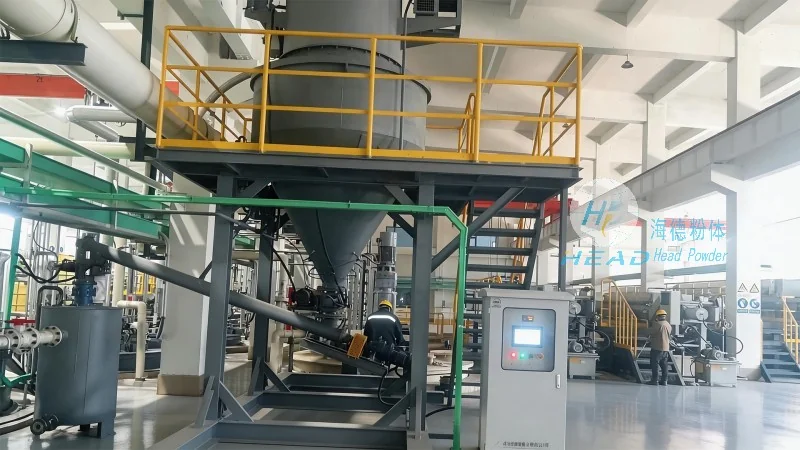
When choosing a styrene conveying system, several factors must be considered. First, the material properties of styrene, such as its viscosity and particle size, must be taken into account. Second, the process requirements, such as the required flow rate and pressure, must be considered. Third, the operational conditions, such as temperature and humidity, must be considered. Finally, the cost of the system and its maintenance must be considered. By carefully evaluating these factors, companies can select the most appropriate conveying system for their styrene applications.
About Shandong HeadPowder Engineering Co., Ltd.
Shandong HeadPowder Engineering Co., Ltd., commonly known as HeadPowder, is a leading provider of industrial conveying solutions, including pneumatic conveying systems for styrene and other chemicals. With years of experience in the industry, HeadPowder has developed a reputation for providing high-quality, reliable, and efficient conveying systems that meet the needs of its customers. The company's headquarters is located in Shandong, China, and it serves clients worldwide with its advanced technology and expertise.

 Công ty TNHH Kỹ thuật Công trình Bột Hải Đức Sơn Đông
 156-6277-7102(Quản lý Trương)
  0531-83386006
  Quận Chương Khâu, Thành phố Tế Nam, Tỉnh Sơn Đông, Trung Quốc
Điện thoại
WeChatTư vấn
Lên đầu