Công ty Hải Đức Bột với hơn 10 năm kinh nghiệm vận chuyển khí, cung cấp hệ thống‑thiết bị‑quạt gió và nhận dự án tổng thầu bột cả nước
Resin sand, a critical material in modern foundry processes, requires efficient and reliable transportation systems to ensure optimal performance in casting operations. The choice of conveying method significantly impacts production efficiency, material quality, and overall operational costs. This article explores common resin sand conveying methods, with a particular focus on the advantages and applications of pneumatic conveying systems.
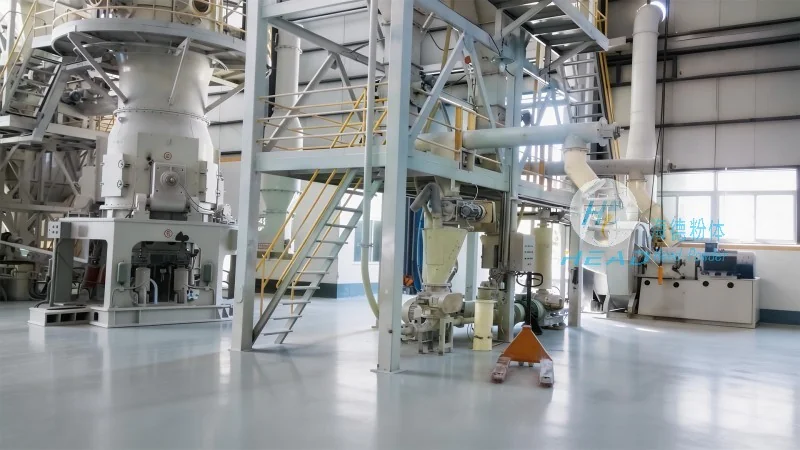
Overview of Resin Sand Conveying Systems
Resin sand, used extensively in green sand and no-bake molding processes, is typically transported from storage silos to molding machines or other processing equipment. Traditional methods like bucket elevators or belt conveyors have been widely used, but they often face challenges such as material degradation, high energy consumption, and limited flexibility. In response to these challenges, advanced pneumatic conveying systems have emerged as a preferred solution for resin sand handling in industrial settings.
Key Considerations in Selecting a Conveying Method
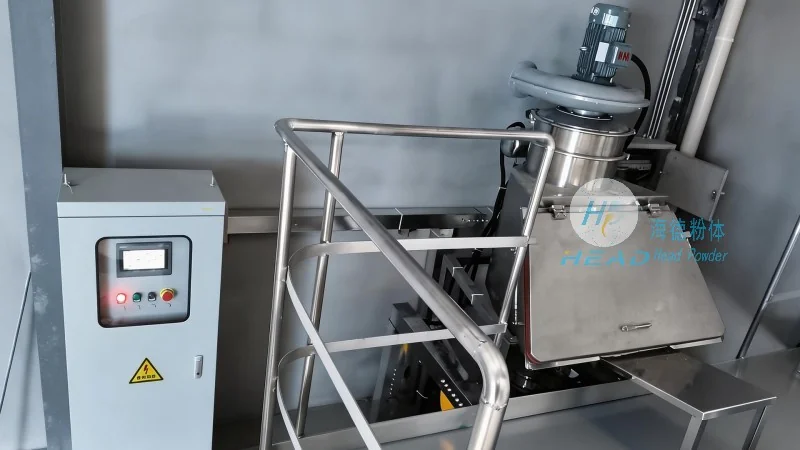
When selecting a resin sand conveying system, several factors must be considered to ensure compatibility with the production environment and material characteristics. These include the material's bulk density, moisture content, abrasiveness, and the required conveying distance. Additionally, the system's capacity, energy efficiency, and maintenance requirements play a crucial role in the decision-making process. For instance, high-abrasive resin sand may necessitate specialized equipment to prevent wear and tear, while long-distance conveying might require higher-pressure pneumatic systems.
Common Resin Sand Conveying Methods
Resin sand can be transported using various methods, each with its own set of advantages and limitations. The primary options include mechanical conveyors, such as belt conveyors and bucket elevators, and pneumatic systems, including positive displacement and dilute phase conveying. Mechanical conveyors are generally suitable for short-distance, low-volume applications but may struggle with material segregation and dust control. In contrast, pneumatic conveying systems offer greater flexibility, allowing for vertical and horizontal transport over longer distances with minimal material degradation.
Resin Sand Pneumatic Conveying: Advantages and Applications
Pneumatic conveying, particularly dilute phase systems, has become the industry standard for resin sand transportation due to its numerous benefits. One of the most significant advantages is the ability to handle abrasive materials without causing excessive wear on components. This is achieved through high-velocity air flow that keeps the sand particles suspended, reducing friction and impact. Additionally, pneumatic systems can transport resin sand in a closed loop, minimizing dust emissions and improving workplace safety. The flexibility of these systems allows for integration with existing production lines, enabling seamless material transfer from storage to molding equipment.
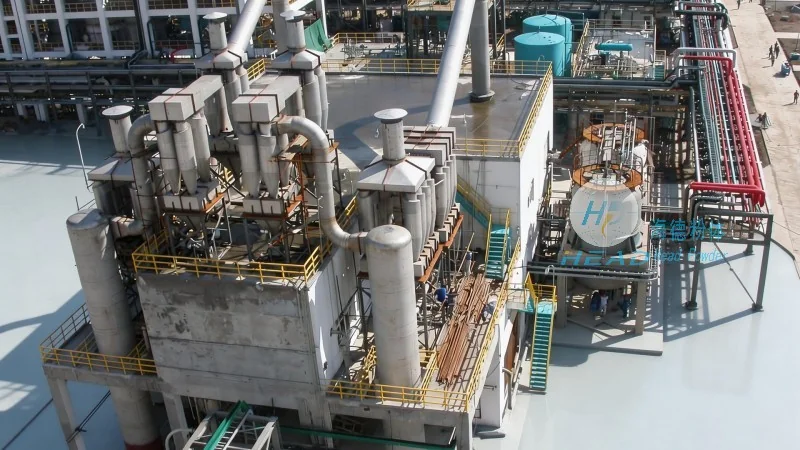
Components of a Resin Sand Pneumatic Conveying System
A typical resin sand pneumatic conveying system consists of several key components that work in tandem to ensure efficient operation. These include a hopper or silo for material storage, a feeder to control the flow rate, a conveying line (often equipped with bends and straight sections), and a receiver or discharge point. The system may also incorporate air compressors, filters, and control valves to regulate pressure and air flow. Each component is designed to withstand the abrasive nature of resin sand, with materials like stainless steel or specialized alloys used for high-wear parts. For example, the feeder is often equipped with a rotary valve or screw conveyor to ensure consistent material discharge, while the conveying line may feature special liners or coatings to prevent sand buildup and wear.
Operational Efficiency and Maintenance
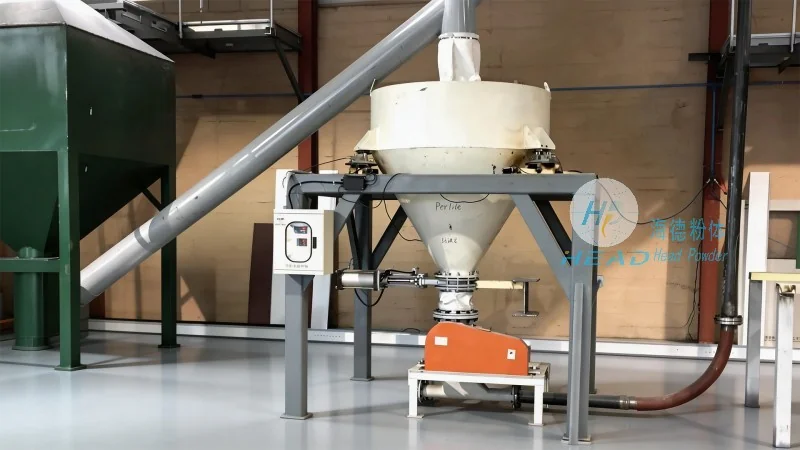
The efficiency of a resin sand pneumatic conveying system directly impacts overall production costs and downtime. Proper system design and regular maintenance are essential to maximize performance and minimize disruptions. Regular cleaning of the conveying line and filter systems is crucial to prevent clogging and maintain consistent air flow. Additionally, monitoring pressure and flow rates can help identify potential issues before they lead to system failure. The use of high-quality components, such as durable valves and seals, can extend the lifespan of the system and reduce maintenance frequency. For instance, a well-maintained system may achieve higher conveying capacities with lower energy consumption, leading to significant cost savings over time.
Case Study: HeadPowder's Resin Sand Pneumatic Conveying Solutions
Shandong HeadPowder Engineering Co., Ltd., a leading manufacturer of resin sand handling equipment, specializes in providing customized pneumatic conveying systems tailored to the specific needs of foundry operations. With a focus on durability and efficiency, HeadPowder's systems are designed to handle the most challenging resin sand applications. The company's expertise in material handling and system integration ensures that customers receive solutions that optimize their production processes. For example, a client in China, located in Shandong province, implemented a HeadPowder pneumatic conveying system to transport high-abrasive resin sand over a distance of 50 meters. The system was configured with a positive displacement blower and a closed-loop design, resulting in reduced dust emissions and improved material flow. The client reported a 20% increase in production efficiency and a 15% reduction in energy costs after the system was installed. This case study highlights the effectiveness of pneumatic conveying systems in enhancing operational performance and reducing costs.
Conclusion
In conclusion, the selection of an appropriate resin sand conveying method is critical to the success of foundry operations. While traditional mechanical systems have their place, pneumatic conveying systems, particularly dilute phase designs, offer superior performance and flexibility for modern resin sand handling. The key to maximizing the benefits of these systems lies in proper design, regular maintenance, and the use of high-quality components. Companies like Shandong HeadPowder Engineering Co., Ltd. play a vital role in providing reliable and efficient solutions that meet the evolving needs of the foundry industry. By investing in advanced pneumatic conveying systems, foundries can improve productivity, reduce costs, and enhance overall operational efficiency.

 Công ty TNHH Kỹ thuật Công trình Bột Hải Đức Sơn Đông
 156-6277-7102(Quản lý Trương)
  0531-83386006
  Quận Chương Khâu, Thành phố Tế Nam, Tỉnh Sơn Đông, Trung Quốc
Điện thoại
WeChatTư vấn
Lên đầu