Công ty Hải Đức Bột với hơn 10 năm kinh nghiệm vận chuyển khí, cung cấp hệ thống‑thiết bị‑quạt gió và nhận dự án tổng thầu bột cả nước
Sintered dust, a byproduct of the sintering process in metallurgical industries, poses significant challenges when it comes to efficient and safe transportation. The handling of these fine particles requires specialized equipment to prevent dust contamination, ensure process efficiency, and maintain environmental compliance. Among the various conveying methods available, pneumatic conveying has emerged as a preferred solution for many industrial applications. This article explores common sintered dust conveying methods and highlights the advantages of HeadPowder's pneumatic conveying system, a leading solution from Shandong HeadPowder Engineering Co., Ltd., based in China.
Common Sintered Dust Conveying Methods
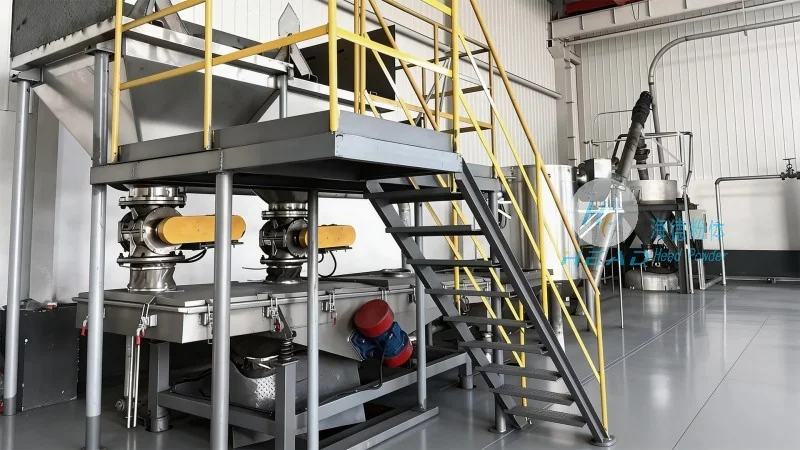
Several methods are employed for transporting sintered dust, each with its own set of advantages and limitations. The choice of method depends on factors such as dust characteristics, distance, volume, and environmental regulations. The primary conventional methods include:
1. Mechanical Conveyors
Mechanical conveyors, such as belt conveyors, screw conveyors, and bucket elevators, are widely used for sintered dust transport. These systems rely on mechanical components to move the material. Belt conveyors are suitable for horizontal or slightly inclined transport over short to medium distances, while screw conveyors are effective for vertical or inclined transport in confined spaces. Bucket elevators, on the other hand, are ideal for vertical transport of bulk materials, including sintered dust. However, mechanical conveyors have limitations when dealing with fine, abrasive dust, as they can cause wear and tear, and they may not be suitable for long-distance transport due to energy consumption and maintenance requirements.
2. Hydraulic Conveying
Hydraulic conveying systems use water to transport sintered dust through pipelines. The dust is suspended in water and pumped to the destination. This method is effective for handling wet or sticky dust and can transport materials over long distances. However, hydraulic systems require additional equipment for water treatment and disposal, increasing operational complexity and costs. They also have limitations with dry, fine dust, as the water can cause clogging and reduce the efficiency of the conveying process.
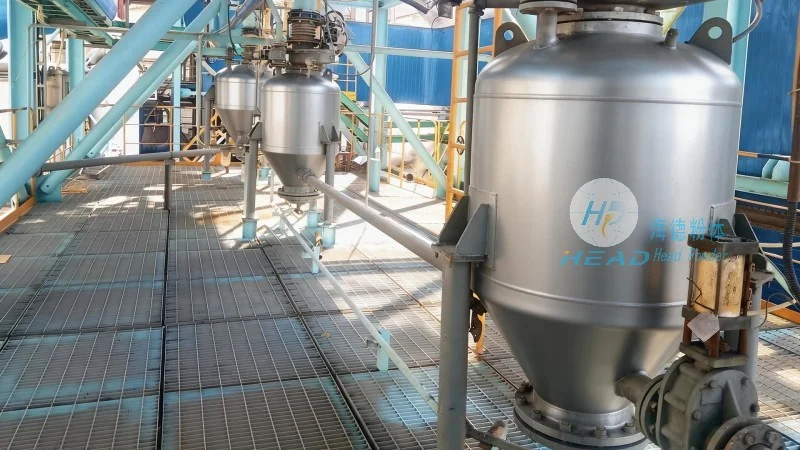
3. Pneumatic Conveying
Pneumatic conveying utilizes air to transport sintered dust through a pipeline system. This method offers flexibility in handling various dust types, including fine, dry, and abrasive particles. It can be designed for both dilute-phase (where particles are suspended in air) and dense-phase (where particles are more concentrated) conveying, depending on the application requirements. Pneumatic systems are known for their ability to handle long distances, high volumes, and complex layouts, making them suitable for diverse industrial settings.
HeadPowder's Pneumatic Conveying System: Advantages and Features
HeadPowder, a division of Shandong HeadPowder Engineering Co., Ltd., specializes in providing advanced pneumatic conveying solutions tailored to the unique needs of sintered dust applications. The company's expertise in engineering and manufacturing has led to the development of a system that addresses the challenges associated with traditional conveying methods. Key advantages of HeadPowder's pneumatic conveying system include:
1. Efficient and Gentle Material Handling
HeadPowder's pneumatic conveying system is designed to handle sintered dust with minimal wear and tear. The system uses low-pressure or high-pressure air to transport particles, ensuring that the dust remains intact and free from agglomeration. This gentle handling is crucial for maintaining the quality of the sintered material and preventing contamination. The system's ability to handle fine particles without clogging or blockages is a significant advantage over mechanical and hydraulic methods.
2. Versatility in Application
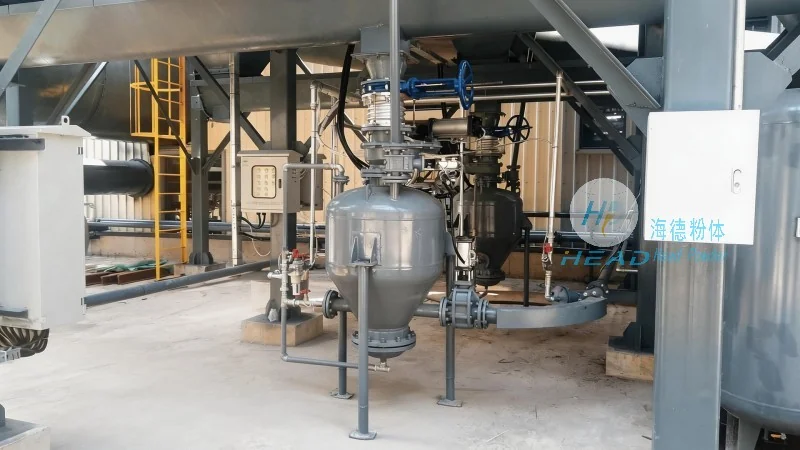
HeadPowder's pneumatic conveying system is highly versatile, capable of handling a wide range of sintered dust characteristics, including varying particle sizes, moisture content, and abrasiveness. The system can be customized to meet specific process requirements, such as long-distance transport, high-volume handling, or integration with existing industrial setups. This adaptability makes it suitable for various applications in the metallurgical industry, from raw material transport to waste management.
3. Energy Efficiency and Cost-Effectiveness
Compared to mechanical and hydraulic systems, HeadPowder's pneumatic conveying system offers significant energy savings. The use of air as the conveying medium reduces the need for heavy machinery and reduces operational costs. The system's low maintenance requirements and long service life further contribute to cost-effectiveness. HeadPowder's engineering approach focuses on optimizing the system's performance to minimize energy consumption while maximizing conveying efficiency.
4. Environmental Compliance and Safety
HeadPowder's pneumatic conveying system is designed with environmental and safety considerations in mind. The system ensures that dust is contained within the pipeline, preventing airborne emissions and maintaining a clean working environment. This compliance with environmental regulations is essential for industries operating under strict emission standards. Additionally, the system's enclosed design reduces the risk of dust explosions and improves workplace safety, aligning with industry best practices.
Conclusion
When considering sintered dust conveying methods, the choice between mechanical, hydraulic, and pneumatic systems depends on the specific requirements of the application. However, for industries seeking efficiency, versatility, and environmental compliance, HeadPowder's pneumatic conveying system stands out as a superior solution. With its gentle handling, energy efficiency, and adaptability, the system from Shandong HeadPowder Engineering Co., Ltd. offers a reliable and cost-effective approach to managing sintered dust transportation. As a leading provider in the field, HeadPowder continues to innovate and provide tailored solutions that meet the evolving needs of the metallurgical industry.

 Công ty TNHH Kỹ thuật Công trình Bột Hải Đức Sơn Đông
 156-6277-7102(Quản lý Trương)
  0531-83386006
  Quận Chương Khâu, Thành phố Tế Nam, Tỉnh Sơn Đông, Trung Quốc
Điện thoại
WeChatTư vấn
Lên đầu