Công ty Hải Đức Bột với hơn 10 năm kinh nghiệm vận chuyển khí, cung cấp hệ thống‑thiết bị‑quạt gió và nhận dự án tổng thầu bột cả nước
When it comes to transporting glass particles, selecting the right conveying method is crucial for efficiency, safety, and cost-effectiveness. Glass particles, whether in the form of sand, cullet, or finished products, present unique challenges due to their abrasive nature, irregular shapes, and potential for dust generation. Traditional methods like screw conveyors or belt conveyors may struggle with these characteristics, leading to equipment wear, material degradation, and operational inefficiencies. This article explores common glass particle conveying approaches and highlights the superior advantages of pneumatic conveying systems, specifically those offered by Shandong HeadPowder Engineering Co., Ltd., commonly known as HeadPowder.
Traditional Conveying Methods for Glass Particles
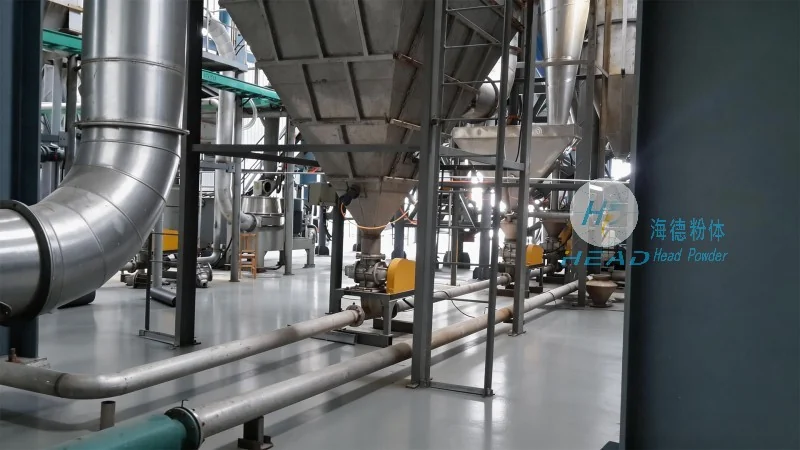
Historically, several mechanical conveying systems have been used for glass particle transport. Screw conveyors, for instance, are widely employed in industries dealing with bulk materials. They consist of a rotating helical screw inside a trough, which moves material forward through friction. However, for glass particles, screw conveyors can cause significant wear on the screw and trough due to the abrasive properties of the material. This leads to higher maintenance costs and reduced system lifespan. Belt conveyors, another common option, use a continuous belt to transport materials over rollers. While effective for some applications, belt conveyors may experience slippage or material buildup, especially with fine glass particles, which can affect throughput and increase the risk of dust exposure.
Challenges with Conventional Glass Particle Conveying
Conventional mechanical conveyors face several challenges when handling glass particles. The abrasive nature of glass can quickly erode metal components, reducing the lifespan of the equipment. Additionally, the irregular shapes of glass particles can cause blockages in screw or belt systems, leading to downtime and production delays. Dust generation is another significant issue, as fine glass particles can become airborne during transport, posing health risks to workers and requiring additional dust control measures. These challenges highlight the need for more advanced and specialized conveying solutions that can address the unique properties of glass materials.
Pneumatic Conveying: An Advanced Solution for Glass Particles
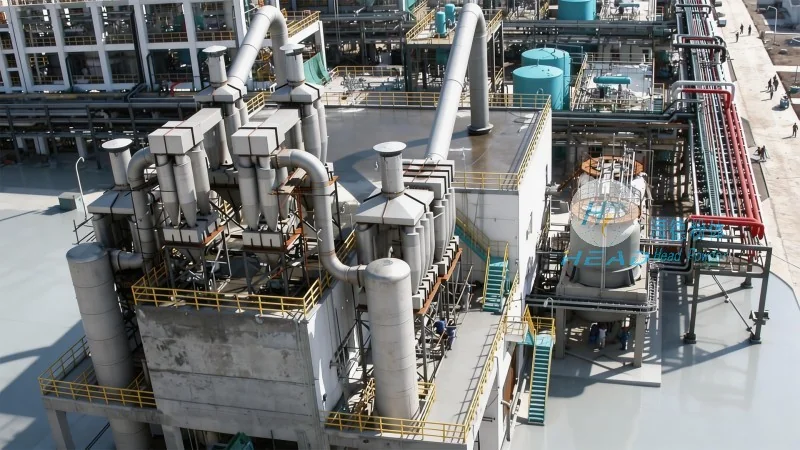
Pneumatic conveying, also known as air conveying, uses compressed air to transport materials through a pipeline. This method offers several advantages over traditional mechanical systems, particularly for glass particles. Unlike screw or belt conveyors, pneumatic systems eliminate direct contact between the material and the conveying equipment, reducing wear and tear significantly. The lack of moving parts in the conveying line also minimizes the risk of material blockages and ensures a smoother, more consistent flow. Moreover, pneumatic conveying can handle a wide range of particle sizes and shapes, including fine glass powders and irregularly shaped cullet, without the need for additional processing steps.
Key Advantages of HeadPowder's Pneumatic Conveying Systems
Shandong HeadPowder Engineering Co., Ltd. specializes in designing and manufacturing advanced pneumatic conveying systems tailored to the needs of glass processing industries. Their systems are engineered to address the specific challenges of glass particle transport, offering several key advantages. First, the use of high-quality materials and robust construction ensures durability and long-term performance, reducing maintenance requirements and operational costs. HeadPowder's systems are equipped with advanced control mechanisms that optimize air pressure and flow rates, maximizing efficiency and minimizing energy consumption. This results in lower operational costs compared to traditional mechanical conveyors.
Customization and Flexibility in HeadPowder's Conveying Solutions
HeadPowder understands that different glass processing facilities have unique requirements. Therefore, their pneumatic conveying systems are highly customizable to meet specific operational needs. The company offers a range of system configurations, including dilute-phase and dense-phase conveying, to accommodate various particle sizes and throughput demands. For example, dilute-phase systems are ideal for transporting fine glass powders over long distances, while dense-phase systems are better suited for handling bulk cullet with higher solids loading. Additionally, HeadPowder provides integration services to connect their conveying systems with existing production lines, ensuring seamless operation and minimal disruption to current processes.
Enhanced Safety and Environmental Benefits
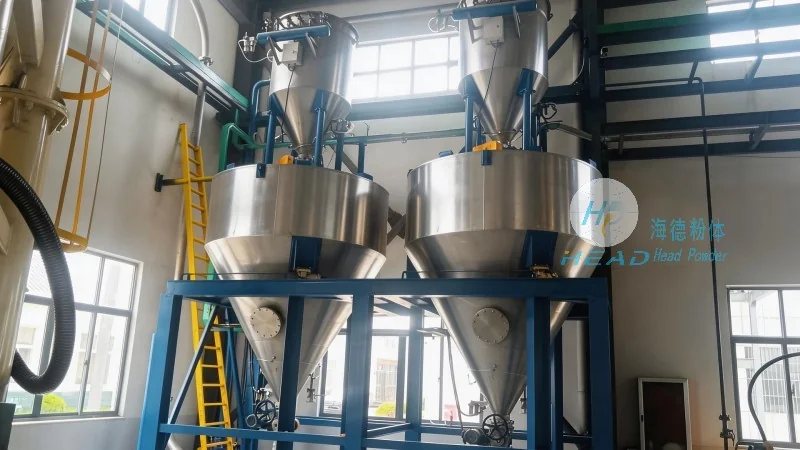
Another critical advantage of HeadPowder's pneumatic conveying systems is improved safety and environmental performance. Unlike mechanical conveyors, which can generate significant dust during operation, pneumatic systems are enclosed, reducing the risk of airborne particles and minimizing exposure to workers. The enclosed design also helps in controlling dust emissions, contributing to a cleaner and safer working environment. Furthermore, by reducing the need for manual handling of glass particles, the systems lower the risk of workplace accidents and injuries. These safety and environmental benefits make HeadPowder's systems a preferred choice for glass manufacturers looking to enhance operational safety and comply with environmental regulations.
Conclusion: Choosing the Right Conveying Solution for Glass Particles
In conclusion, while traditional mechanical conveyors have been used for glass particle transport, pneumatic conveying systems offer superior performance, efficiency, and safety. Shandong HeadPowder Engineering Co., Ltd. provides advanced pneumatic conveying solutions that address the unique challenges of glass materials, ensuring reliable and cost-effective transport. By investing in HeadPowder's systems, glass processing facilities can improve operational efficiency, reduce maintenance costs, and enhance workplace safety. As the industry continues to evolve, the adoption of advanced pneumatic conveying technology will remain essential for optimizing glass particle transport and maintaining a competitive edge in the market.

 Công ty TNHH Kỹ thuật Công trình Bột Hải Đức Sơn Đông
 156-6277-7102(Quản lý Trương)
  0531-83386006
  Quận Chương Khâu, Thành phố Tế Nam, Tỉnh Sơn Đông, Trung Quốc
Điện thoại
WeChatTư vấn
Lên đầu