Công ty Hải Đức Bột với hơn 10 năm kinh nghiệm vận chuyển khí, cung cấp hệ thống‑thiết bị‑quạt gió và nhận dự án tổng thầu bột cả nước
Foundry sand, a fundamental material in the casting industry, demands efficient and reliable conveying systems to support seamless production workflows. The selection of a conveying method is influenced by multiple factors including the type of sand, production scale, and operational environment. This article examines several common foundry sand conveying methods, detailing their applications and benefits.
1. Screw Conveyors for Foundry Sand
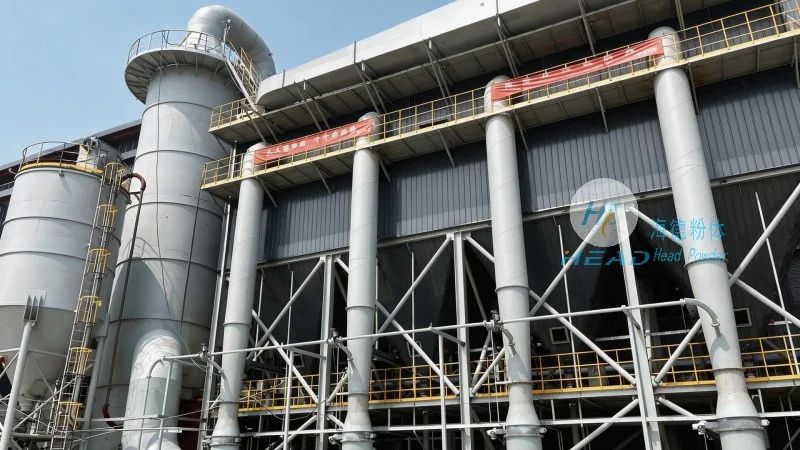
Screw conveyors, also known as auger conveyors, are widely adopted for foundry sand transport due to their simplicity and effectiveness. These systems feature a rotating screw (auger) housed within a U-shaped or cylindrical trough. As the screw rotates, it propels the sand forward, making them suitable for horizontal or slightly inclined transport. Screw conveyors are particularly effective for handling dry, free-flowing foundry sand without the need for supplementary equipment. They are easy to install, maintain, and can operate in diverse environments, such as dusty or high-temperature settings. The design allows for a compact footprint, ideal for space-constrained foundry facilities. Additionally, screw conveyors can be equipped with variable speed drives to adjust the conveying rate based on production demands, enhancing operational flexibility.
2. Belt Conveyors for Foundry Sand
Belt conveyors represent another popular option for foundry sand conveying, especially in large-scale production lines. These systems utilize a continuous belt looped over rollers to transport sand horizontally or at a slight incline. The belt is typically constructed from durable materials like rubber or synthetic fabrics, designed to withstand the abrasive nature of foundry sand. Belt conveyors can handle high volumes of material and are suitable for long-distance transport, making them ideal for moving sand from storage areas to processing equipment or casting machines. They offer consistent and reliable performance, with minimal maintenance requirements when properly installed and maintained. The open design of belt conveyors allows for easy inspection and cleaning, which is crucial in foundry environments where sand can become contaminated with metal chips or other debris. Furthermore, belt conveyors can be equipped with side guards and safety features to prevent accidental release of sand, enhancing workplace safety.
3. Pneumatic Conveying Systems for Foundry Sand
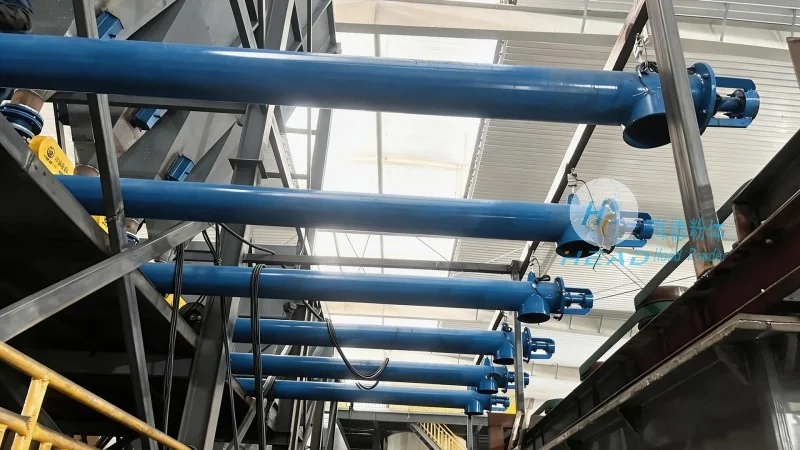
Pneumatic conveying systems employ air pressure to transport foundry sand, providing a dust-free and enclosed solution for certain applications. These systems can be classified into two main types: pressure and vacuum. In pressure systems, air is forced through a pipeline, pushing the sand forward. Vacuum systems, conversely, use a vacuum to draw the sand into the pipeline. Pneumatic conveyors are particularly useful for transporting sand in environments where dust control is a priority, such as in clean rooms or when handling sand that is sensitive to moisture or contamination. They are also suitable for transporting sand over long distances or through complex layouts, as the pipeline can be easily routed around obstacles. However, pneumatic systems require higher energy consumption compared to mechanical conveyors and may need more maintenance due to the wear on components like valves and filters. The enclosed nature of pneumatic conveyors helps maintain the quality of the sand and reduces the risk of dust exposure for workers.
4. Bucket Elevators for Foundry Sand
Bucket elevators are vertical or inclined conveyors that use buckets attached to a chain or belt to lift and transport foundry sand. These systems are highly efficient for vertical transport, making them ideal for moving sand from lower storage areas to higher processing levels in foundry operations. The buckets are designed to hold a specific amount of sand, and as the conveyor rotates, the buckets carry the sand upward. Once the buckets reach the top, they tip to discharge the sand into a hopper or storage bin. Bucket elevators are capable of handling a wide range of sand types, including wet or sticky sand, and can operate at high speeds, increasing the throughput. They are robust and durable, with components designed to withstand the abrasive and heavy loads associated with foundry sand. However, bucket elevators require careful alignment and maintenance to prevent bucket damage or chain wear, which can lead to operational issues. The enclosed design of bucket elevators helps contain dust and debris, contributing to a cleaner working environment.
5. Vibrating Conveyors for Foundry Sand
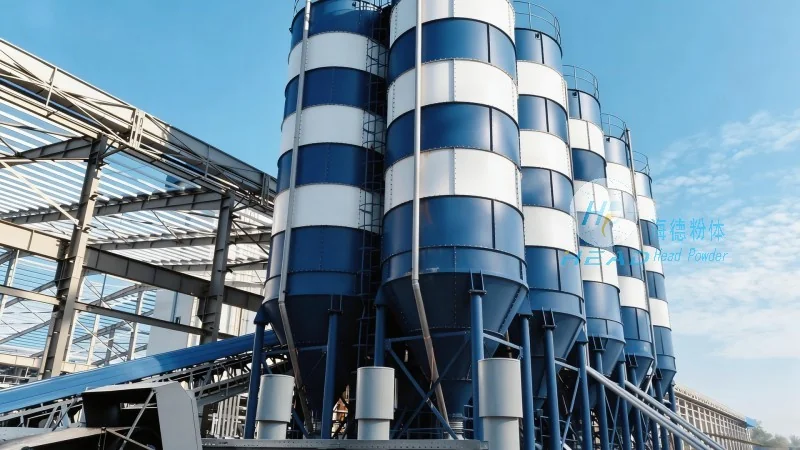
Vibrating conveyors utilize vibration to move foundry sand along a trough. These systems consist of a conveyor bed that is vibrated at a specific frequency and amplitude, causing the sand to move forward due to the friction between the sand particles and the conveyor surface. Vibrating conveyors are particularly effective for handling bulk materials with varying moisture content or particle sizes, as the vibration helps prevent material bridging or clogging. They are suitable for both horizontal and inclined transport and can operate in low-speed or high-speed modes depending on the application. The design allows for easy cleaning and maintenance, as the conveyor bed can be removed or accessed for inspection. Vibrating conveyors are often used in foundries where the sand needs to be mixed or blended before processing, as the vibration helps ensure uniform distribution. They are also relatively low-cost compared to other conveying systems, making them an economical choice for many foundry operations. However, the vibration can generate noise, and the system may require additional support structures to handle the dynamic loads.
6. Hydraulic Conveyors for Foundry Sand
Hydraulic conveyors use fluid power to transport foundry sand, offering a powerful and reliable solution for heavy-duty applications. These systems consist of a hydraulic cylinder or pump that drives a piston or plunger to move the sand along a pipe or trough. Hydraulic conveyors are capable of handling large volumes of sand at high speeds, making them suitable for high-throughput foundry operations. They are particularly effective for vertical or steeply inclined transport, as the hydraulic pressure can provide the necessary force to lift the sand. The design allows for precise control of the conveying rate, which is crucial for maintaining consistent production flow. Hydraulic conveyors are robust and durable, with components designed to withstand the high pressures and abrasive conditions associated with foundry sand. However, they require a reliable hydraulic power source and regular maintenance of hydraulic components, such as pumps and valves. The enclosed nature of hydraulic systems helps contain fluid leaks and reduces the risk of environmental contamination, contributing to a safer working environment.
7. Combination Conveying Systems
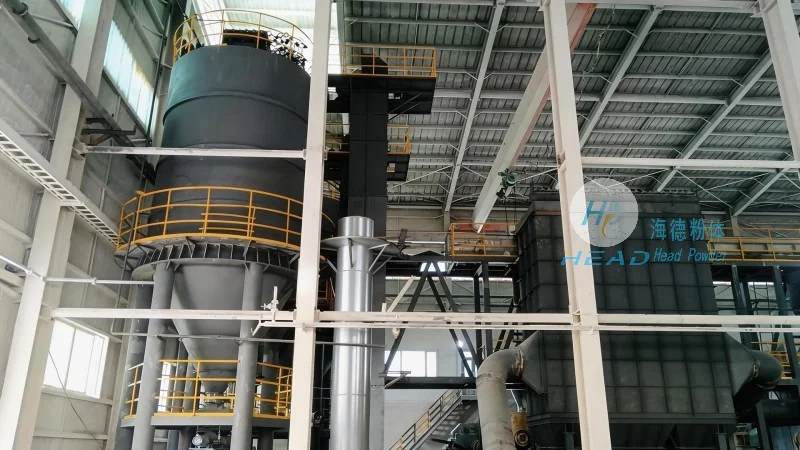
In many foundry operations, a single conveying method may not be sufficient to meet all the requirements. Therefore, combination conveying systems are often employed, integrating multiple types of conveyors to achieve efficient and flexible sand transport. For example, a screw conveyor might be used for horizontal transport, followed by a bucket elevator for vertical transport, and then a belt conveyor for final delivery to the casting machine. These systems allow for seamless integration of different processes and can be customized to fit the specific layout and production needs of the foundry. Combination systems offer enhanced flexibility, as they can be adjusted to handle varying sand volumes or types. They also improve overall efficiency by reducing the number of material handling steps and minimizing downtime. However, the design and maintenance of combination systems can be more complex, requiring careful planning and expertise to ensure optimal performance.
When selecting a foundry sand conveying method, factors such as the type of sand, production capacity, environmental considerations, and budget must be carefully evaluated. Each method has its own advantages and limitations, and the best choice depends on the specific needs of the foundry. By understanding the different options available, foundry operators can choose the most suitable conveying system to enhance productivity, ensure material quality, and maintain a safe working environment.

 Công ty TNHH Kỹ thuật Công trình Bột Hải Đức Sơn Đông
 156-6277-7102(Quản lý Trương)
  0531-83386006
  Quận Chương Khâu, Thành phố Tế Nam, Tỉnh Sơn Đông, Trung Quốc
Điện thoại
WeChatTư vấn
Lên đầu