Công ty Hải Đức Bột với hơn 10 năm kinh nghiệm vận chuyển khí, cung cấp hệ thống‑thiết bị‑quạt gió và nhận dự án tổng thầu bột cả nước
When it comes to transporting gypsum sand, various methods are employed in industrial applications. Understanding the different conveying techniques is crucial for optimizing material handling efficiency and ensuring operational safety. This article explores the primary gypsum sand conveying methods, highlighting their applications and benefits.
1. Belt Conveyors for Gypsum Sand Transport
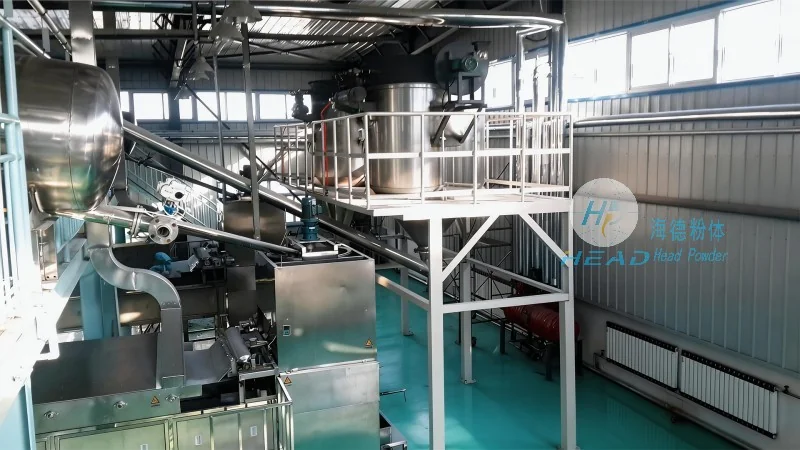
Belt conveyors are among the most common and effective methods for gypsum sand transportation. These systems utilize a continuous belt to move material from one point to another. In the context of gypsum sand, belt conveyors are particularly suitable due to their ability to handle abrasive materials without significant wear. The design typically includes a drive system, idlers, and a hopper or loading mechanism to feed the gypsum sand onto the belt. The speed and inclination of the belt can be adjusted to control the flow rate, making it adaptable to different production requirements. For instance, in cement plants or gypsum processing facilities, belt conveyors are widely used to transport raw gypsum sand from storage areas to processing units. The durability of the belt and the robust construction of the conveyor system ensure long-term reliability, reducing maintenance costs and downtime.
2. Screw Conveyors (Auger Conveyors) for Gypsum Sand Handling
Screw conveyors, also known as auger conveyors, are another popular choice for gypsum sand transport. These systems consist of a rotating screw (auger) enclosed in a tube or trough. The screw's rotation pushes the material forward, allowing for vertical or horizontal transport. Screw conveyors are particularly effective for handling dry, free-flowing materials like gypsum sand, as they minimize material degradation and spillage. The design is compact and can be installed in confined spaces, making it ideal for facilities with limited floor space. The speed of the screw can be adjusted to control the material flow rate, and the system can be equipped with a discharge mechanism at the end. In applications such as gypsum board manufacturing, screw conveyors are used to transport raw gypsum sand from storage to mixing or grinding equipment. The smooth operation and low maintenance requirements of screw conveyors make them a cost-effective solution for consistent gypsum sand handling.
3. Pneumatic Conveying Systems for Gypsum Sand Transport
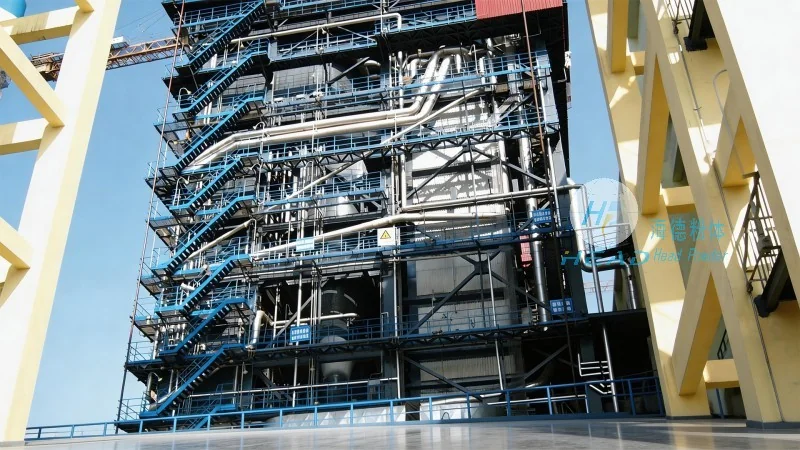
Pneumatic conveying systems use air or gas to transport gypsum sand through a pipeline. This method is suitable for both dry and slightly moist gypsum sand, providing a dust-free and enclosed transport solution. The system typically includes a hopper, a blower or compressor, and a pipeline network. The gypsum sand is fed into the hopper and then drawn into the pipeline by the air flow. The air velocity is carefully controlled to ensure the material is carried efficiently without causing excessive pressure drops or material degradation. Pneumatic conveying is particularly advantageous in applications where dust control is critical, such as in indoor processing facilities or where material contamination must be minimized. For example, in the production of gypsum products, pneumatic conveyors are used to transport gypsum sand from storage to mixing or drying units. The flexibility of the system allows for multiple delivery points, and the enclosed pipeline reduces the risk of material loss or environmental contamination.
4. Bucket Elevators for Vertical Gypsum Sand Transport
Bucket elevators are specialized equipment designed for vertical transport of gypsum sand. These systems consist of a vertical or inclined conveyor with buckets attached to a continuous chain or belt. The buckets are filled with gypsum sand at the bottom and then lifted to the top, where the material is discharged. Bucket elevators are highly efficient for vertical transport, capable of moving large volumes of material over significant heights. They are commonly used in gypsum processing plants to transport raw gypsum sand from ground-level storage to elevated processing areas, such as grinding mills or mixing tanks. The design of bucket elevators ensures minimal material spillage and efficient use of vertical space. The robust construction and reliable operation of these systems make them suitable for continuous operation in industrial settings. Additionally, bucket elevators can be equipped with safety features, such as emergency stop mechanisms, to enhance operational safety and compliance with industry standards.
5. Hydraulic Conveyors for Gypsum Sand Handling
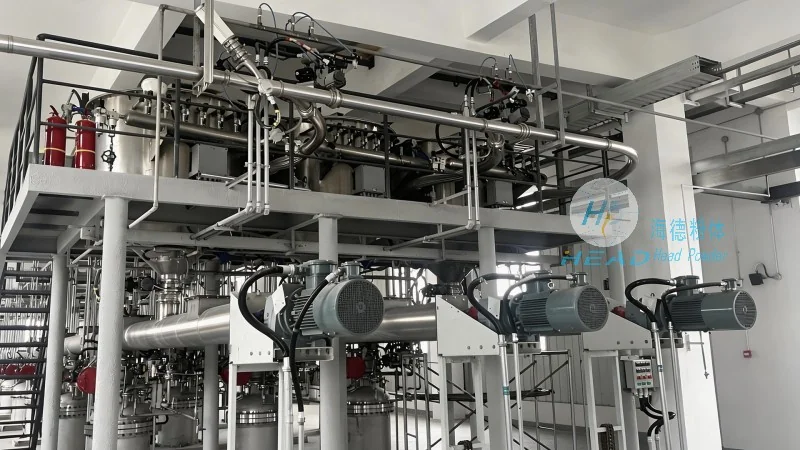
Hydraulic conveyors use water or other fluids to transport gypsum sand, particularly in applications where the material is wet or has a high moisture content. These systems are less common for dry gypsum sand but are effective in specific scenarios, such as transporting wet gypsum sand from washing or processing stages. The hydraulic conveyor consists of a pipeline or trough through which a fluid is pumped, carrying the gypsum sand along with it. The fluid velocity and pressure are controlled to ensure the material is transported efficiently without clogging or excessive wear on the system components. Hydraulic conveyors are often used in the production of gypsum-based products where the material undergoes wet processing, such as in the manufacturing of gypsum plaster or cement. The enclosed nature of the system helps maintain moisture levels and prevents material drying out during transport. However, hydraulic conveyors require regular maintenance to ensure the fluid system remains clean and free of debris, which can affect their long-term performance.
About Shandong HeadPowder Engineering Co., Ltd.
Shandong HeadPowder Engineering Co., Ltd., operating under the brand name headpowder, is a leading provider of industrial conveying solutions for gypsum sand and other bulk materials. With a strong focus on innovation and quality, the company specializes in designing and manufacturing customized conveying systems tailored to the specific needs of its clients. HeadPowder's expertise lies in understanding the unique challenges of gypsum sand handling, such as material abrasiveness, dust generation, and moisture control, and developing solutions that address these issues effectively. The company's facilities are located in Shandong, China, where it leverages local resources and expertise to deliver high-quality products and services. HeadPowder's commitment to customer satisfaction and operational excellence has established it as a trusted partner in the industrial conveying industry, helping clients optimize their material handling processes and improve overall efficiency.

 Công ty TNHH Kỹ thuật Công trình Bột Hải Đức Sơn Đông
 156-6277-7102(Quản lý Trương)
  0531-83386006
  Quận Chương Khâu, Thành phố Tế Nam, Tỉnh Sơn Đông, Trung Quốc
Điện thoại
WeChatTư vấn
Lên đầu