Công ty Hải Đức Bột với hơn 10 năm kinh nghiệm vận chuyển khí, cung cấp hệ thống‑thiết bị‑quạt gió và nhận dự án tổng thầu bột cả nước
When it comes to handling and transporting grain and bulk materials, selecting the right conveying method is crucial for efficiency, cost-effectiveness, and operational reliability. Various options exist, each with its own set of advantages and limitations. From traditional mechanical systems to modern pneumatic solutions, the choice depends on factors like material properties, distance, and environmental considerations. This article explores common grain and bulk material conveying methods while highlighting the superior features of HeadPowder's pneumatic conveying systems.
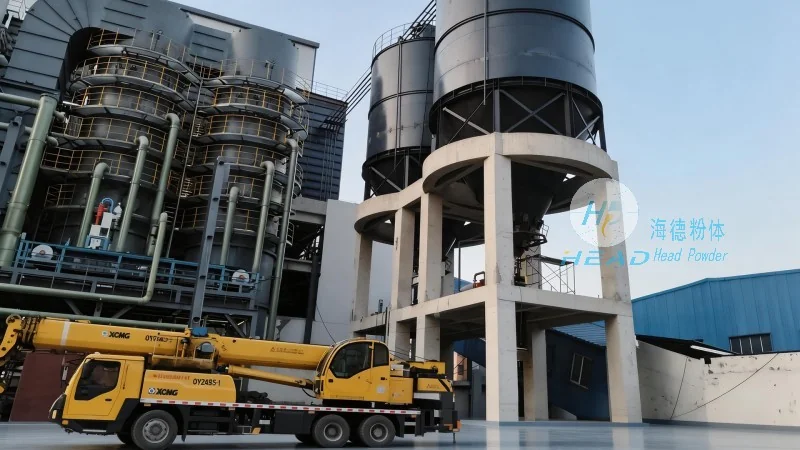
Traditional Conveying Methods and Their Limitations
Historically, grain and bulk material handling relied on gravity-based and mechanical systems. Gravity conveyors, such as chutes and hoppers, use the natural force of gravity to move materials from higher to lower levels. While simple and low-cost, they are limited by the need for a slope and are not suitable for long distances or vertical lifts. Mechanical conveyors, including belt conveyors, screw conveyors, and bucket elevators, utilize mechanical power to transport materials. These systems are effective for moderate distances and can handle a wide range of materials, but they often require regular maintenance and may cause material degradation due to friction and impact.
Introducing Pneumatic Conveying: A Modern Solution
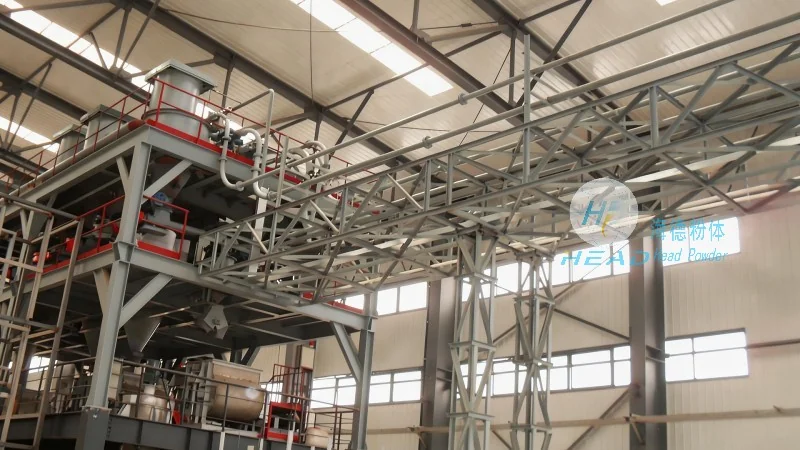
Pneumatic conveying, or air-based transport, has emerged as a versatile and efficient method for moving grain and bulk materials. Unlike mechanical systems, pneumatic conveyors use compressed air to transport materials through pipes. This approach offers several benefits, including the ability to handle fine powders and granules, reduce material degradation, and achieve high transport speeds. Pneumatic systems are particularly suitable for applications requiring long distances, vertical lifts, or the need to keep materials contained and clean.
HeadPowder's Pneumatic Conveying Systems: Key Advantages
Shandong HeadPowder Engineering Co., Ltd., a leading manufacturer based in China, specializes in developing advanced pneumatic conveying solutions tailored to the needs of the grain and bulk material industry. HeadPowder's systems are designed to provide superior performance, reliability, and cost-effectiveness compared to traditional methods. Key advantages of their pneumatic conveying systems include:
Efficient Material Handling: HeadPowder's systems can handle a wide variety of grain and bulk materials, including fine powders, granules, and even wet or sticky substances. The use of compressed air ensures gentle material transport, minimizing degradation and preserving product quality.
Versatility and Flexibility: Pneumatic conveyors can be configured for both horizontal and vertical transport, allowing for complex system designs that adapt to specific facility layouts. This flexibility makes them suitable for a wide range of applications, from small-scale operations to large industrial plants.
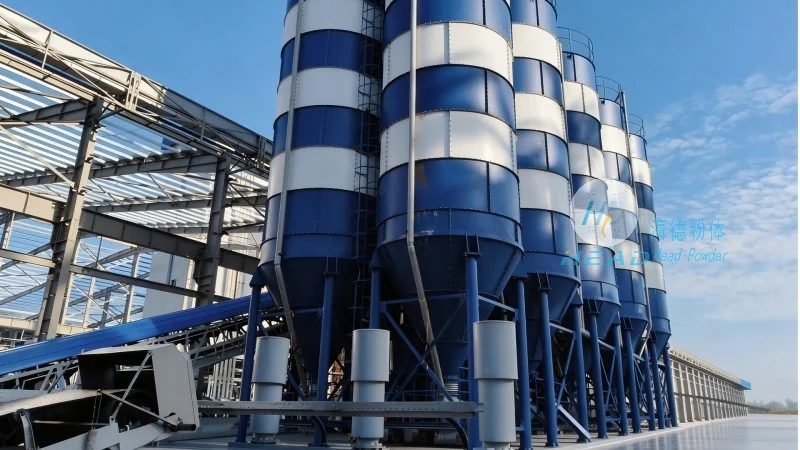
Reduced Maintenance and Downtime: Unlike mechanical systems that require regular maintenance and replacement of components, pneumatic conveying systems have fewer moving parts and lower wear. This results in lower maintenance costs and reduced downtime, leading to higher overall operational efficiency.
Environmental and Safety Benefits: Pneumatic systems can be enclosed, preventing dust and material spillage, which enhances workplace safety and compliance with environmental regulations. The enclosed design also helps maintain product purity and reduces the risk of contamination.
Energy Efficiency: Modern pneumatic conveying systems are designed to optimize energy usage, reducing operational costs while maintaining high transport efficiency. Advanced control systems allow for precise air pressure and flow adjustments, further enhancing energy savings.
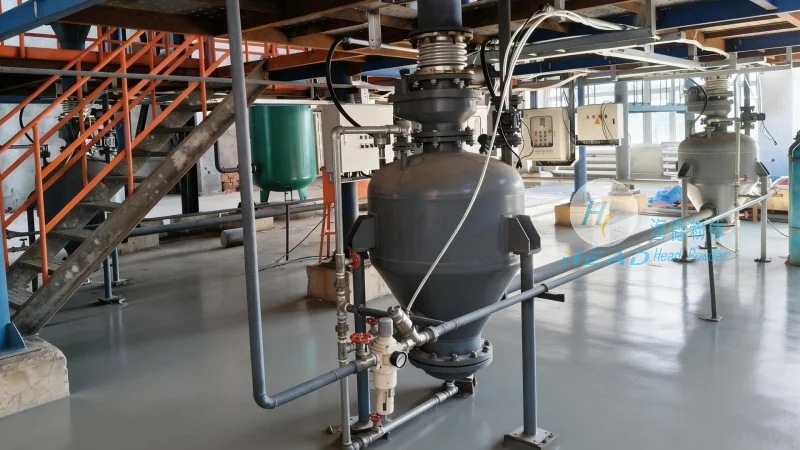
Application Examples and Industry Impact
HeadPowder's pneumatic conveying systems have been successfully implemented in various industries, including agriculture, food processing, and chemical manufacturing. For example, in grain storage facilities, their systems efficiently transport wheat, corn, and other grains from silos to processing lines, ensuring smooth operations and minimal material loss. In food processing plants, the gentle handling of powders and granules helps maintain product quality and meet stringent hygiene standards. The versatility of these systems also makes them suitable for transporting bulk chemicals, minerals, and other industrial materials, contributing to improved productivity and safety in industrial settings.
Conclusion: Choosing the Right Conveying Solution
When selecting a grain and bulk material conveying method, it is essential to consider factors such as material characteristics, distance, and operational requirements. While traditional methods have their place, modern pneumatic solutions like those offered by HeadPowder provide significant advantages in terms of efficiency, flexibility, and cost-effectiveness. By leveraging advanced technology and engineering expertise, HeadPowder ensures that their pneumatic conveying systems meet the highest standards of performance and reliability, helping businesses optimize their material handling processes and achieve greater operational success.

 Công ty TNHH Kỹ thuật Công trình Bột Hải Đức Sơn Đông
 156-6277-7102(Quản lý Trương)
  0531-83386006
  Quận Chương Khâu, Thành phố Tế Nam, Tỉnh Sơn Đông, Trung Quốc
Điện thoại
WeChatTư vấn
Lên đầu