Công ty Hải Đức Bột với hơn 10 năm kinh nghiệm vận chuyển khí, cung cấp hệ thống‑thiết bị‑quạt gió và nhận dự án tổng thầu bột cả nước
When it comes to transporting bauxite, selecting the right method is crucial for efficiency, cost-effectiveness, and operational safety. Bauxite, a key raw material in aluminum production, requires reliable and efficient transportation systems to move it from mining sites to processing facilities. This article explores common bauxite transportation methods, with a focus on pneumatic conveying systems, and highlights the expertise of Shandong HeadPowder Engineering Co., Ltd. in providing tailored solutions for bauxite handling and transport.
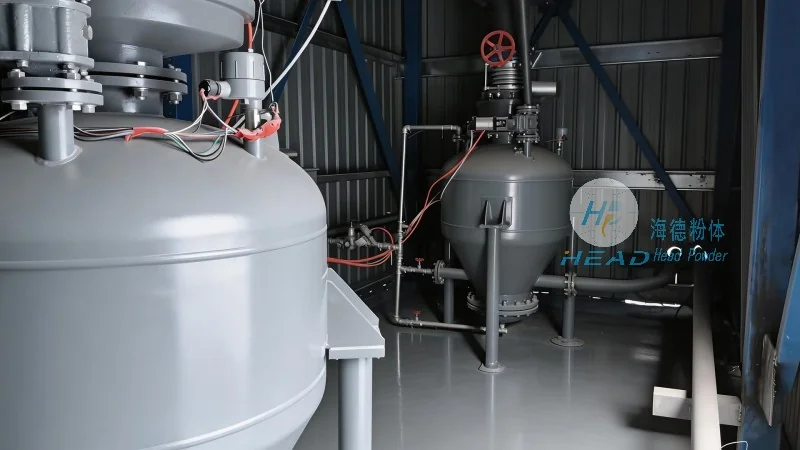
Common Bauxite Transportation Methods Overview
Before delving into specific technologies, it's essential to understand the primary categories of bauxite transportation. These methods can be broadly classified into three main types: gravity-based systems, mechanical systems, and pneumatic systems. Each approach has its own advantages and is suitable for different operational conditions, such as material characteristics, distance, and budget constraints.
Gravity-Based Transportation Methods
Gravity-based transportation relies on the natural force of gravity to move bauxite from one point to another. This method is typically used for short distances and when the material is stored at a higher elevation than the destination. Common applications include using chutes or troughs to direct bauxite from stockpiles to processing equipment. The primary advantage of gravity systems is their simplicity and low operational cost, as they require minimal energy input. However, their effectiveness is limited by the slope required and the risk of material buildup or blockages in the chutes. For bauxite, which can be abrasive and prone to caking, gravity systems may not be suitable for long-distance or high-volume transport.
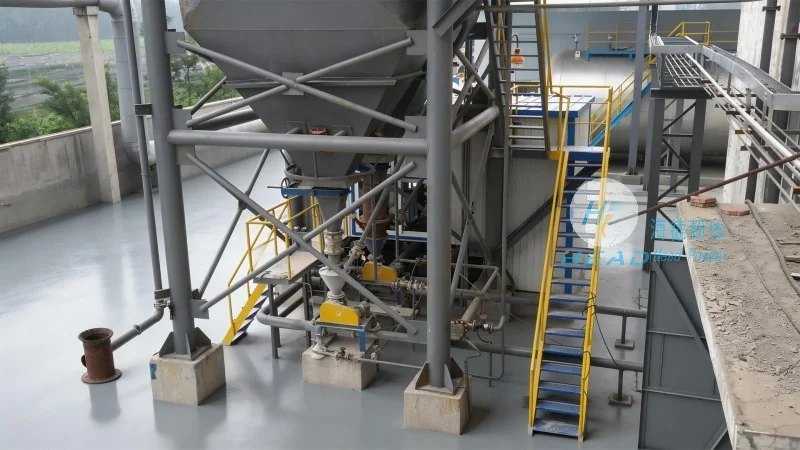
Mechanical Transportation Methods
Mechanical systems utilize machinery such as conveyors, elevators, and bucket elevators to move bauxite. These systems are versatile and can handle a wide range of material types and volumes. Belt conveyors are widely used for transporting bauxite over short to medium distances, while bucket elevators are ideal for vertical transport. Mechanical systems offer high throughput and can be integrated with other processing equipment. However, they require regular maintenance and can be expensive to install, especially for long-distance or complex layouts. Additionally, mechanical conveyors may generate dust and require dust control measures to comply with environmental regulations.
Pneumatic Conveying Systems for Bauxite
Pneumatic conveying, also known as air-pneumatic transport, is a method that uses compressed air to transport bauxite in a pipeline. This technology is particularly effective for bauxite due to its ability to handle fine powders and abrasive materials. Pneumatic systems can be classified into two main types: dilute-phase and dense-phase. Dilute-phase systems use low air-to-material ratios, resulting in high velocity and low pressure, suitable for short to medium distances. Dense-phase systems use higher air-to-material ratios, resulting in lower velocity and higher pressure, ideal for long-distance transport and preventing material degradation. The key advantages of pneumatic conveying include high efficiency, minimal material degradation, and the ability to transport bauxite through complex layouts without the need for multiple transfer points. Shandong HeadPowder Engineering Co., Ltd. specializes in designing and manufacturing custom pneumatic conveying systems tailored to the specific needs of bauxite operations, ensuring optimal performance and reliability.
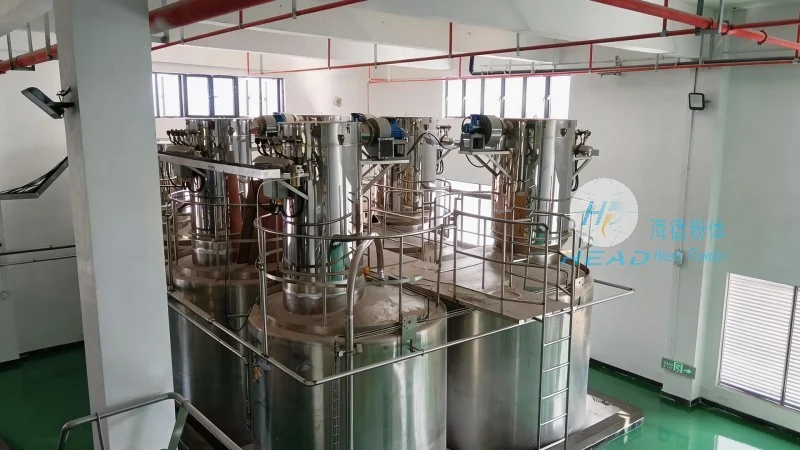
Key Considerations for Selecting a Bauxite Transportation Method
When choosing a bauxite transportation method, several factors must be considered to ensure the best fit for the operation. These include the distance between the source and destination, the volume of bauxite to be transported, the material's physical properties (such as particle size, moisture content, and abrasiveness), and the available budget. Additionally, regulatory requirements, such as dust control and environmental compliance, play a critical role in the selection process. For example, in regions with strict air quality standards, pneumatic systems may be preferred over mechanical systems due to their enclosed design, which reduces dust emissions. The expertise of Shandong HeadPowder Engineering Co., Ltd. in bauxite handling and transport helps clients evaluate these factors and select the most suitable method for their specific application.
Conclusion and Company Expertise
In conclusion, the choice of bauxite transportation method depends on a combination of operational, technical, and economic factors. While gravity and mechanical systems have their place in bauxite handling, pneumatic conveying systems offer significant advantages for efficiency and material protection. Shandong HeadPowder Engineering Co., Ltd. leverages its experience and technical expertise to provide comprehensive solutions for bauxite transportation, including the design, installation, and maintenance of pneumatic conveying systems. By partnering with HeadPowder, bauxite producers can ensure reliable, cost-effective, and environmentally compliant transport of their raw material, supporting the overall efficiency of their aluminum production processes.

 Công ty TNHH Kỹ thuật Công trình Bột Hải Đức Sơn Đông
 156-6277-7102(Quản lý Trương)
  0531-83386006
  Quận Chương Khâu, Thành phố Tế Nam, Tỉnh Sơn Đông, Trung Quốc
Điện thoại
WeChatTư vấn
Lên đầu