Công ty Hải Đức Bột với hơn 10 năm kinh nghiệm vận chuyển khí, cung cấp hệ thống‑thiết bị‑quạt gió và nhận dự án tổng thầu bột cả nước
When it comes to the efficient and reliable transportation of edible salt, selecting the right conveying method is crucial for maintaining product quality and operational efficiency. Various options are available, each with its own set of advantages and applications. This article provides an overview of common salt conveying methods, with a particular focus on the benefits and applications of pneumatic conveying for salt.
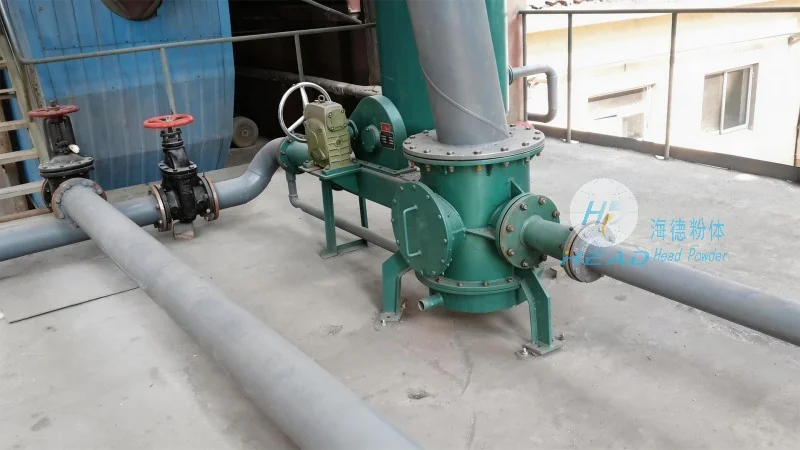
Understanding Salt Conveying Systems
Edible salt, whether in granular or powdered form, requires specialized handling to prevent caking, segregation, or contamination during transport. Conveying systems are designed to move salt from storage silos or production lines to processing equipment, packaging lines, or storage facilities. The choice of system depends on factors such as the salt's physical properties, the distance to be covered, the required flow rate, and the need for dust control or environmental compliance.
Common Salt Conveying Methods
Several conventional methods are widely used in the salt industry, including belt conveyors, screw conveyors, and bucket elevators. Belt conveyors are effective for horizontal or slight incline transport, capable of handling large volumes of bulk salt. Screw conveyors, or augers, are suitable for vertical or inclined transport, often used in processing plants to move salt from one level to another. Bucket elevators, which use a continuous chain with buckets, are ideal for vertical transport over significant heights, ensuring minimal product degradation.
Pneumatic Conveying: A Modern Solution for Salt Transport
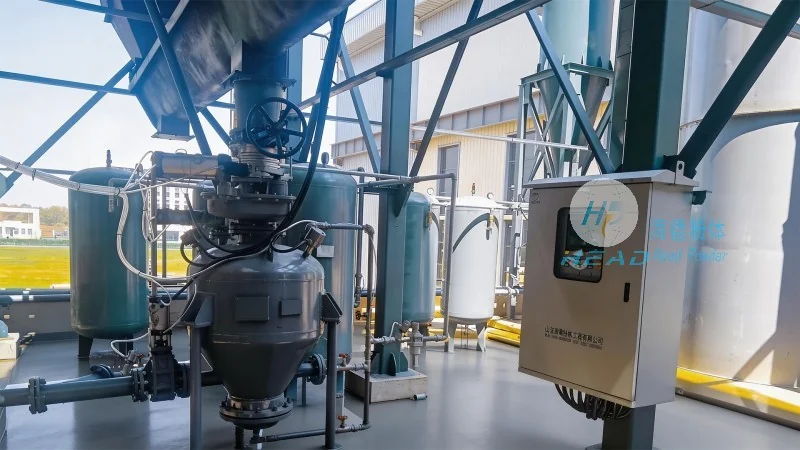
Pneumatic conveying, or air-powered transport, has emerged as a preferred method for many salt processing facilities due to its flexibility, efficiency, and ability to handle sensitive materials. This technology uses compressed air to move salt particles through a pipeline, eliminating the need for mechanical components that could cause wear or contamination. The system typically consists of a hopper, a venturi or rotary airlock, and a receiver, with optional components like filters and cyclones for dust separation.
For edible salt, pneumatic conveying offers several key advantages. First, it minimizes product contact with metal surfaces, reducing the risk of metal contamination and ensuring compliance with food safety standards. Second, the enclosed system prevents dust from escaping into the environment, improving workplace safety and meeting environmental regulations. Third, pneumatic systems can handle a wide range of salt types, from fine powders to coarse granules, with minimal segregation or degradation.
Applications of Pneumatic Conveying in Salt Processing
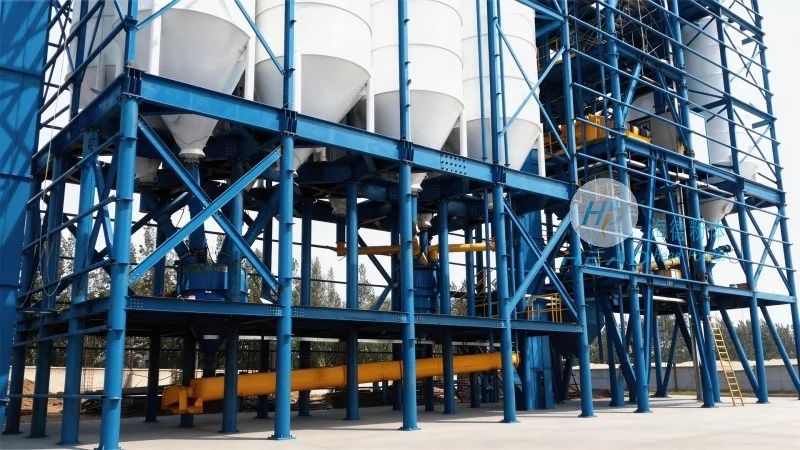
The versatility of pneumatic conveying makes it suitable for various stages of salt processing. In the production phase, it can transport raw salt from storage to grinding or milling equipment. During processing, it can move salt between different processing units, such as from a drying stage to a packaging stage. Finally, in the packaging and distribution phase, pneumatic systems can efficiently move salt from bulk storage to packaging lines, ensuring a smooth and continuous flow of product.
HeadPowder Engineering: Experts in Salt Conveying Solutions
Shandong HeadPowder Engineering Co., Ltd., a leading provider of industrial conveying systems, specializes in designing and manufacturing customized pneumatic conveying solutions for the salt industry. With years of experience and a deep understanding of salt's unique properties, HeadPowder engineers develop systems tailored to meet the specific needs of each client. The company's expertise includes the selection of appropriate equipment, such as venturi systems, rotary airlocks, and dust collection units, to ensure optimal performance and compliance with industry standards.
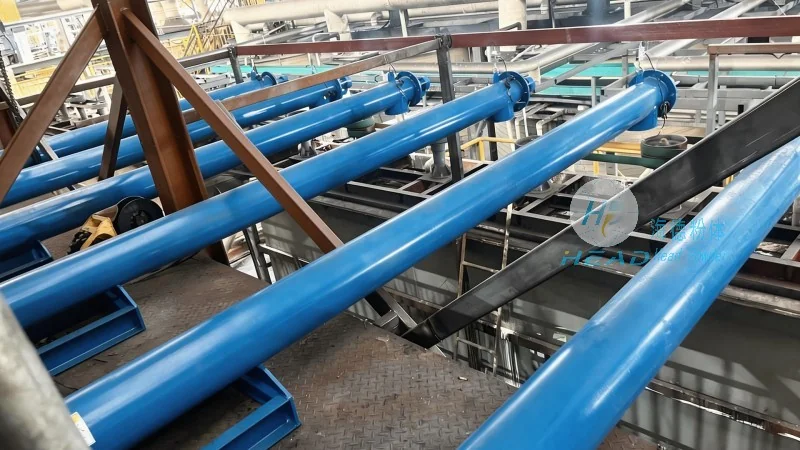
HeadPowder's commitment to quality and innovation is reflected in its state-of-the-art manufacturing facilities and rigorous testing protocols. The company's products are designed to withstand the harsh conditions of salt processing, including high humidity and corrosive environments, ensuring long-term reliability and minimal maintenance. By partnering with HeadPowder, salt processing facilities can enhance their operational efficiency, reduce downtime, and improve overall product quality.
Conclusion: Choosing the Right Salt Conveying Method
When selecting a salt conveying method, it is essential to consider the specific requirements of the operation, including the salt's characteristics, the distance to be covered, and the need for dust control or food safety compliance. While traditional methods like belt and screw conveyors remain viable for certain applications, pneumatic conveying offers a modern, flexible, and efficient solution for many salt processing facilities. With the expertise and experience of companies like Shandong HeadPowder Engineering Co., Ltd., salt producers can choose the most suitable conveying system to optimize their operations and ensure the highest quality of their products.

 Công ty TNHH Kỹ thuật Công trình Bột Hải Đức Sơn Đông
 156-6277-7102(Quản lý Trương)
  0531-83386006
  Quận Chương Khâu, Thành phố Tế Nam, Tỉnh Sơn Đông, Trung Quốc
Điện thoại
WeChatTư vấn
Lên đầu