Công ty Hải Đức Bột với hơn 10 năm kinh nghiệm vận chuyển khí, cung cấp hệ thống‑thiết bị‑quạt gió và nhận dự án tổng thầu bột cả nước
Light micropowders, such as fine powders used in pharmaceuticals, chemicals, and food industries, present unique challenges during material handling. These powders are often characterized by low bulk density, high dustiness, and sensitivity to moisture or contamination. Traditional bulk material handling methods, like belt conveyors or screw conveyors, may not be suitable due to the risk of product degradation, dust generation, and inefficient transfer. This article explores common and effective conveying methods for light micropowders, with a focus on air-lift (pneumatic) conveying systems.
Key Challenges in Conveying Light Micropowders
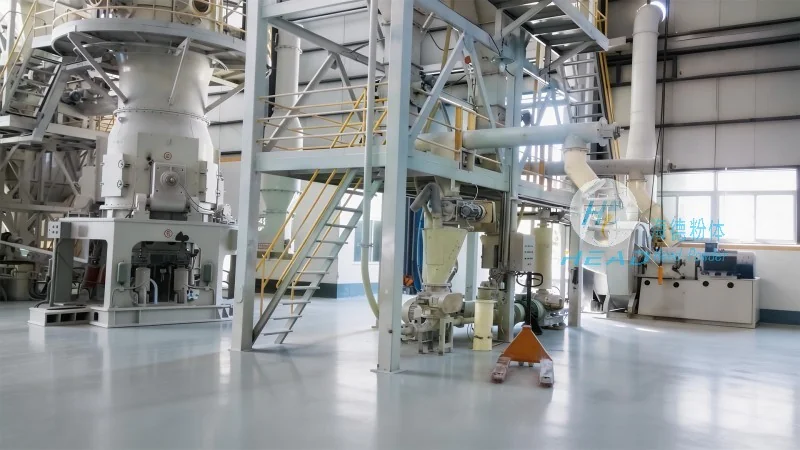
When handling light micropowders, several factors must be considered to ensure efficient and safe transfer. First, the low bulk density means that traditional mechanical conveyors may require excessive power or large cross-sectional areas, leading to higher operational costs. Second, the fine particle size increases the risk of dust accumulation and potential health hazards, necessitating effective dust control measures. Third, the sensitivity of many light micropowders to moisture or air exposure can lead to caking, agglomeration, or chemical changes, which can compromise product quality. These challenges highlight the importance of specialized conveying systems designed to address the unique properties of light micropowders.
Common Conveying Methods for Light Micropowders
Several methods are commonly used to transport light micropowders, each with its own advantages and limitations. The primary categories include mechanical conveyors, pneumatic conveying systems, and hybrid solutions. Mechanical conveyors, such as belt or screw conveyors, are widely used for bulk materials but may not be ideal for light micropowders due to their inefficiency in handling fine powders and the risk of product degradation. Pneumatic conveying, or air-lift systems, offers a more effective solution by using air to transport particles through a pipeline, reducing the need for mechanical components and minimizing product contact with metal surfaces.
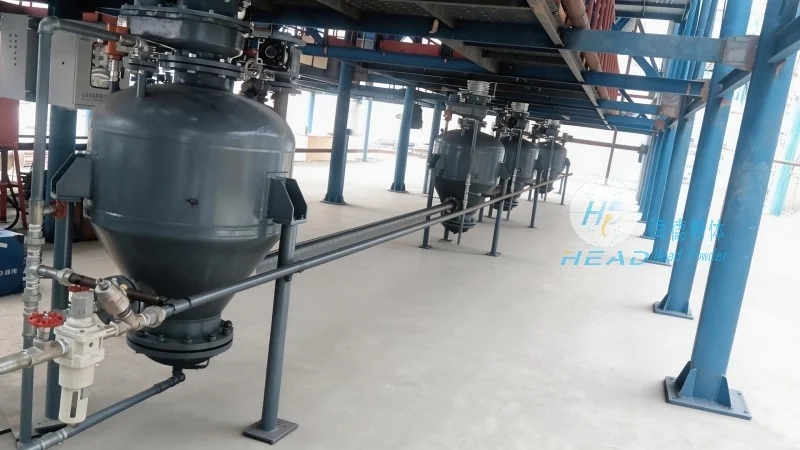
Air-Lift (Pneumatic) Conveying: The Preferred Solution
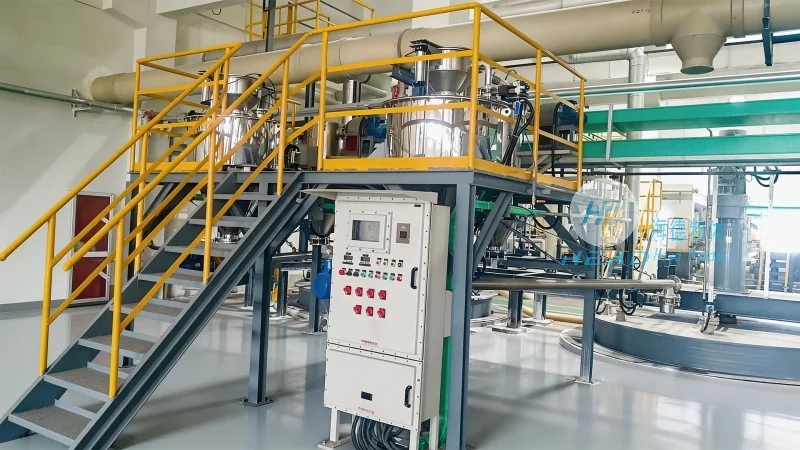
Among the various conveying methods, air-lift or pneumatic conveying is widely regarded as the most suitable for light micropowders. This technique involves transporting particles in a stream of air, typically under pressure, through a pipeline. The system consists of a blower, a hopper for material storage, and a pipeline network that delivers the powder to the destination. The key advantages of air-lift conveying for light micropowders include: (1) High efficiency in handling fine particles due to the reduced friction and minimal product degradation; (2) Effective dust control through enclosed systems, preventing environmental contamination and health risks; (3) Flexibility in system design, allowing for horizontal, vertical, or complex route configurations; (4) Lower maintenance costs compared to mechanical conveyors, as there are fewer moving parts and less wear from abrasive particles.
Components of an Air-Lift Conveying System
An air-lift conveying system for light micropowders typically includes several key components. The blower or compressor provides the necessary air pressure to move the particles. The hopper, often equipped with a feeder or rotary valve, ensures a consistent flow of material into the pipeline. The pipeline network, made of materials resistant to the specific powder (e.g., stainless steel or plastic), transports the powder from the source to the destination. Additionally, the system may include filters and cyclones to separate the air from the powder at the receiving end, ensuring clean air release and preventing dust accumulation. The design of the system is critical to optimizing performance, as factors such as air velocity, pipeline diameter, and material flow rate directly impact the efficiency of the conveying process.
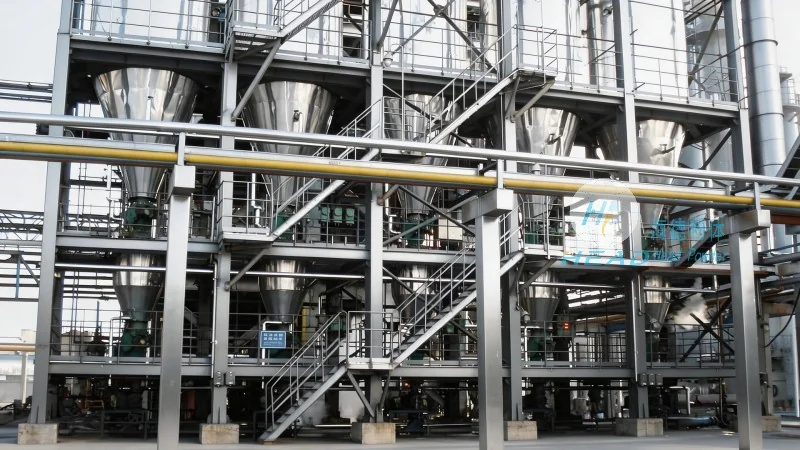
Applications of Air-Lift Conveying for Light Micropowders
Air-lift conveying systems are widely used in various industries that handle light micropowders. In the pharmaceutical industry, these systems are essential for transporting active pharmaceutical ingredients (APIs) and excipients, ensuring product purity and preventing contamination. In the chemical industry, they are used for handling fine chemicals, catalysts, and pigments, where product quality and consistency are paramount. The food industry also benefits from air-lift conveying for transporting spices, powders, and other food additives, maintaining hygiene standards and preventing cross-contamination. These applications demonstrate the versatility and effectiveness of air-lift systems in handling light micropowders across different sectors.
Advantages of Air-Lift Conveying Over Traditional Methods
Compared to traditional mechanical conveyors, air-lift conveying offers several distinct advantages for light micropowders. First, the enclosed system minimizes dust generation, reducing the risk of environmental pollution and health hazards associated with fine powders. This is particularly important in industries where regulatory compliance and worker safety are critical. Second, the reduced product contact with metal surfaces helps maintain product purity, especially for sensitive materials like pharmaceuticals or food additives. Mechanical conveyors may cause abrasion or contamination, which can affect the quality and efficacy of the product. Third, air-lift systems are more energy-efficient for handling fine particles, as they require less power to move the same volume of material compared to mechanical conveyors. The lower energy consumption translates to cost savings and reduced environmental impact. Additionally, the flexibility of air-lift systems allows for easy integration into existing production lines and adaptation to changing production requirements.

 Công ty TNHH Kỹ thuật Công trình Bột Hải Đức Sơn Đông
 156-6277-7102(Quản lý Trương)
  0531-83386006
  Quận Chương Khâu, Thành phố Tế Nam, Tỉnh Sơn Đông, Trung Quốc
Điện thoại
WeChatTư vấn
Lên đầu