Công ty Hải Đức Bột với hơn 10 năm kinh nghiệm vận chuyển khí, cung cấp hệ thống‑thiết bị‑quạt gió và nhận dự án tổng thầu bột cả nước
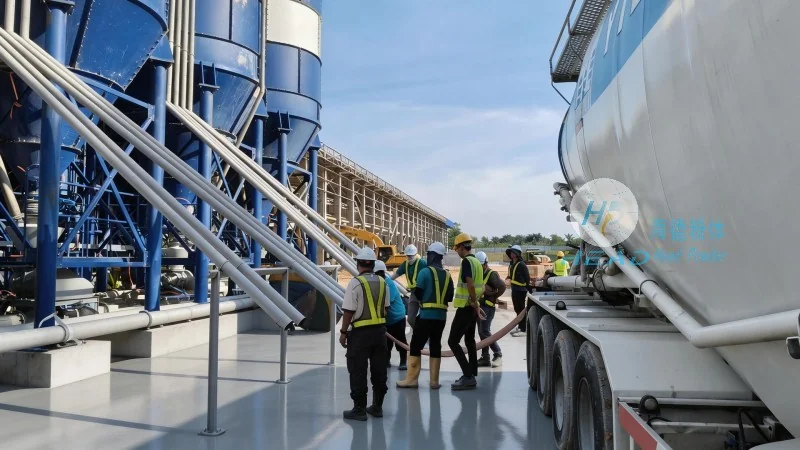
HeadPowder, a leading provider in the field of material handling solutions, specializes in the efficient and reliable transportation of lime powder. As a key component in various industrial processes, lime powder requires specialized conveying methods to ensure safety, efficiency, and minimal material loss. This article explores the common methods used for lime powder conveyance, with a particular focus on pneumatic conveying systems, which have become increasingly popular due to their versatility and effectiveness.
Understanding Lime Powder and Its Conveying Challenges
Lime powder, often used in applications such as flue gas desulfurization, water treatment, and construction, is a fine, dry powder that poses unique challenges during transportation. Traditional methods like bucket elevators or belt conveyors may not be suitable due to the powder's dustiness, tendency to agglomerate, and potential for caking. These factors can lead to operational inefficiencies, equipment wear, and safety hazards. Therefore, modern industrial facilities increasingly turn to advanced conveying technologies to address these challenges effectively.
Common Conveying Methods for Lime Powder
Several methods are employed for transporting lime powder, each with its own advantages and limitations. The primary categories include mechanical and pneumatic systems. Mechanical methods, such as screw conveyors and belt conveyors, are widely used but may struggle with the fine particle size and dust characteristics of lime powder. These systems often require additional dust control measures and can experience blockages or material degradation over time. In contrast, pneumatic conveying systems offer a more integrated solution for handling fine powders like lime powder.
Pneumatic Conveying Systems: The Preferred Solution for Lime Powder
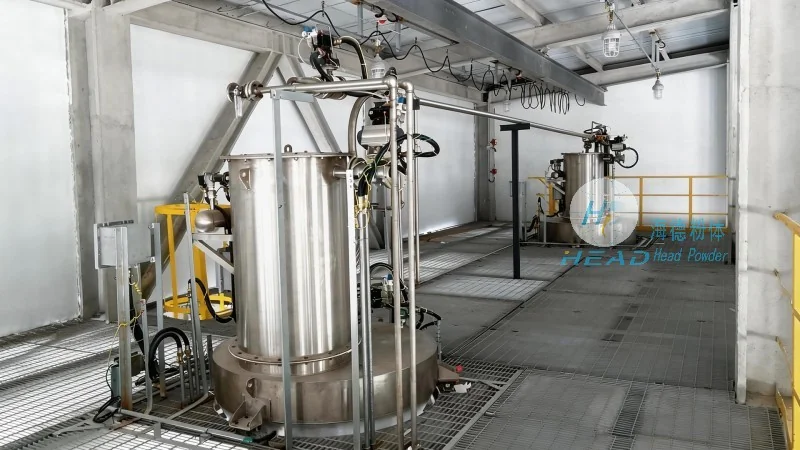
Pneumatic conveying, also known as air conveying, utilizes air or gas to transport solid materials through a pipeline. This method is particularly effective for lime powder due to its ability to handle fine particles, prevent dust dispersion, and maintain material integrity. There are two main types of pneumatic conveying systems: pressure and vacuum. Pressure systems use compressed air to push the material through the pipeline, while vacuum systems use a vacuum to draw the material into the system.
Key Components of a Pneumatic Lime Powder Conveying System
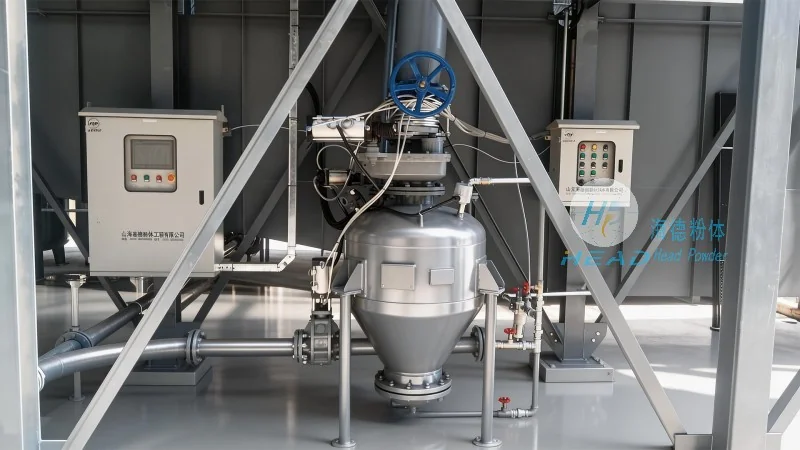
A typical pneumatic conveying system for lime powder consists of several critical components. The primary elements include a hopper or feeder to store and feed the material, a blower or compressor to generate the necessary air pressure or vacuum, a pipeline network to transport the material, and a receiver or discharge unit to collect the material at the destination. Each component plays a vital role in ensuring the system operates efficiently and safely.
Advantages of Pneumatic Conveying for Lime Powder
Implementing pneumatic conveying systems for lime powder offers numerous benefits. Firstly, it provides a dust-free environment, reducing the risk of respiratory issues and contamination in the workplace. Secondly, the system minimizes material loss and degradation, as the powder is transported in a sealed pipeline, preventing exposure to air and moisture. Thirdly, pneumatic systems are highly flexible, allowing for changes in the conveying route or destination without major modifications. Additionally, these systems can handle varying material flow rates and particle sizes, making them adaptable to different industrial applications.
Considerations for Selecting the Right Conveying System
When choosing a conveying system for lime powder, several factors must be considered to ensure optimal performance. The first consideration is the material's properties, such as particle size, density, and moisture content. These characteristics will determine the appropriate type of pneumatic system (e.g., pressure or vacuum) and the required air velocity. Secondly, the distance and layout of the conveying route are crucial. Longer distances may require more powerful blowers or additional boosters to maintain material flow. Thirdly, the system's capacity and reliability are important, as downtime can lead to significant production losses. Finally, cost and maintenance requirements should be evaluated, as pneumatic systems, while initially more expensive, often offer lower long-term operational costs compared to mechanical alternatives.
Conclusion
HeadPowder Engineering Co., Ltd., based in Shandong, China, is a trusted provider of advanced material handling solutions, including pneumatic conveying systems for lime powder. By leveraging the benefits of pneumatic technology, industrial facilities can achieve efficient, safe, and reliable transportation of lime powder, enhancing overall operational performance. Whether for new installations or system upgrades, HeadPowder offers tailored solutions to meet the specific needs of clients, ensuring that lime powder is conveyed effectively and with minimal disruption to industrial processes.

 Công ty TNHH Kỹ thuật Công trình Bột Hải Đức Sơn Đông
 156-6277-7102(Quản lý Trương)
  0531-83386006
  Quận Chương Khâu, Thành phố Tế Nam, Tỉnh Sơn Đông, Trung Quốc
Điện thoại
WeChatTư vấn
Lên đầu