Công ty Hải Đức Bột với hơn 10 năm kinh nghiệm vận chuyển khí, cung cấp hệ thống‑thiết bị‑quạt gió và nhận dự án tổng thầu bột cả nước
When it comes to transporting silica, selecting the right method is crucial for efficiency, cost-effectiveness, and operational safety. Silica, a versatile material used in various industries such as construction, pharmaceuticals, and electronics, requires reliable transport solutions that can handle its unique properties. This article explores common silica transport methods, with a focus on the advantages and applications of pneumatic conveying, a popular choice for many silica handling operations. The information provided is based on the expertise of Shandong HeadPowder Engineering Co., Ltd., a leading provider of bulk material handling solutions.
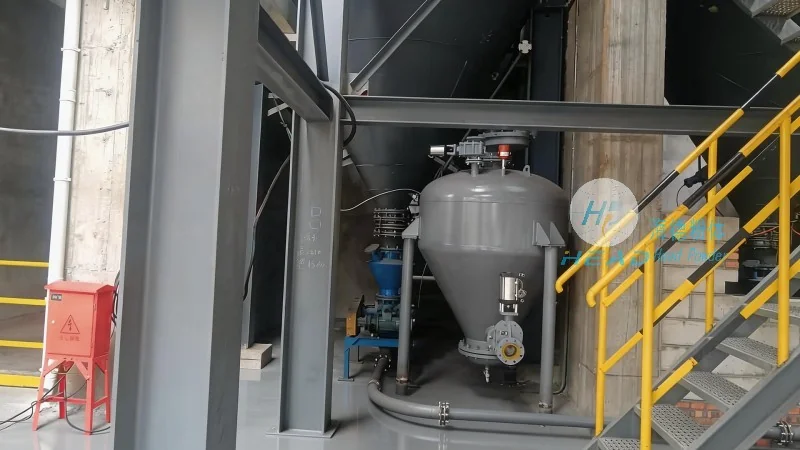
Understanding Silica and Its Transport Challenges
Silica, also known as silicon dioxide (SiO₂), is a naturally occurring compound that exists in various forms, including quartz, sand, and glass. Its applications range from raw materials in glass manufacturing to filler in plastics and coatings. The physical and chemical properties of silica, such as its particle size, density, and moisture content, significantly impact how it is transported. For instance, fine-grained silica can be more prone to dust generation and clogging in traditional systems, making specialized transport methods necessary.
Traditional Silica Transport Methods
Before the advent of advanced pneumatic systems, silica was often transported using bulk handling methods like belt conveyors, screw conveyors, and bucket elevators. These methods are still used in some applications, particularly for larger particle sizes or when the material is not highly abrasive. However, they have limitations when dealing with fine or dusty silica, as they can lead to material loss, equipment wear, and increased maintenance costs. Belt conveyors, for example, may experience belt slip or material spillage, while screw conveyors can suffer from clogging due to the material's cohesive nature.
Pneumatic Conveying: The Preferred Method for Silica Transport
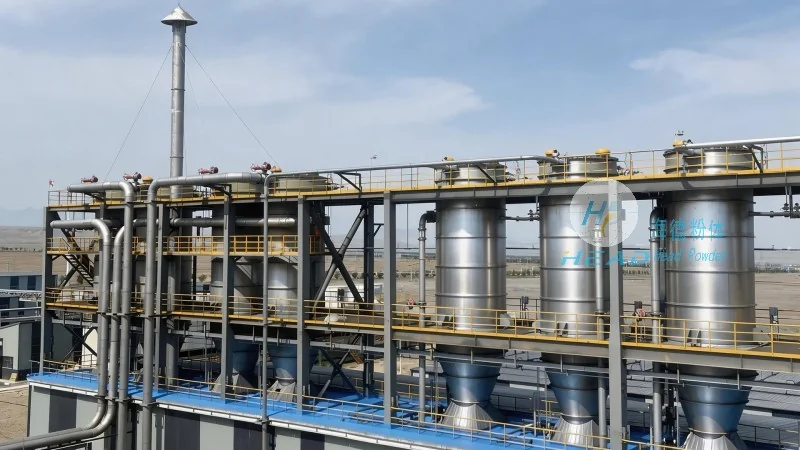
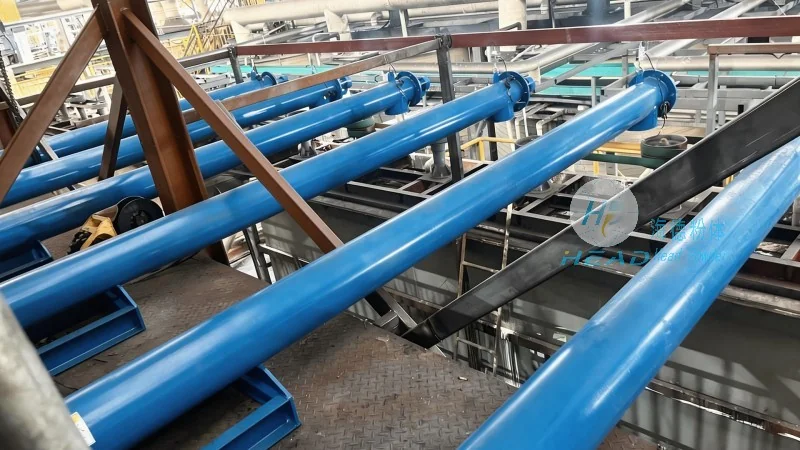
Pneumatic conveying, or air-assisted transport, has become the go-to solution for many silica handling operations due to its ability to efficiently move dry powders and fine particles. This method uses compressed air to transport silica through a pipeline system, eliminating the need for mechanical components that can cause wear and tear. There are two main types of pneumatic conveying: pressure and vacuum systems. Pressure systems use high-pressure air to push the material through the pipeline, while vacuum systems use a vacuum to pull the material from the source.
Advantages of Pneumatic Conveying for Silica
One of the key advantages of pneumatic conveying for silica is its ability to handle fine particles and prevent dust dispersion. Unlike mechanical systems that can generate dust and cause health hazards, pneumatic systems can be designed with dust collection and filtration systems to ensure compliance with environmental regulations. Additionally, pneumatic conveying offers flexibility in system design, allowing for vertical and horizontal transport, as well as the integration of multiple transfer points. This makes it suitable for complex production lines where silica needs to be moved between different processing stages.
Key Considerations for Silica Pneumatic Conveying Systems
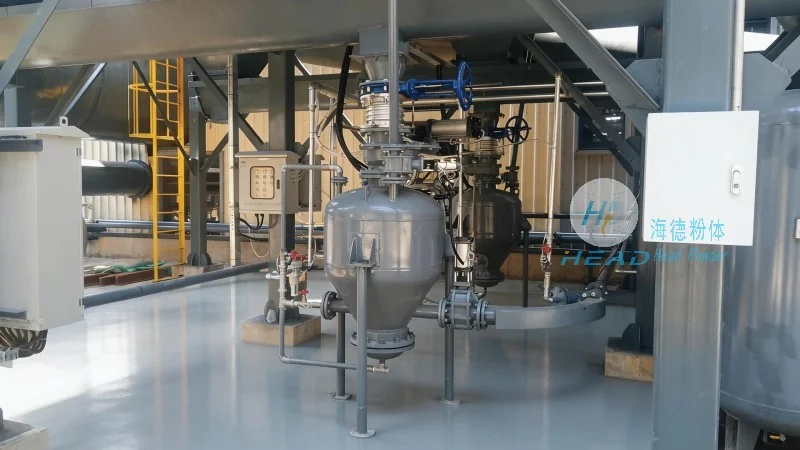
When implementing a pneumatic conveying system for silica, several factors must be considered to ensure optimal performance. First, the particle size and density of the silica must be matched with the appropriate system design. For example, fine silica particles may require a higher air velocity to prevent clogging, while larger particles may need a different pipeline diameter. Second, the system must be equipped with proper filtration and dust collection to prevent material loss and maintain air quality. Third, the choice between pressure and vacuum systems depends on the distance and layout of the transport route, with pressure systems generally more suitable for longer horizontal distances and vacuum systems for shorter vertical or horizontal distances.
Applications of Silica Pneumatic Conveying
Silica pneumatic conveying systems are widely used in various industries. In the glass industry, they are used to transport sand and other raw materials to the furnace. In the pharmaceutical industry, they help move silica-based excipients to production lines. In the electronics industry, they are used to transport silica powders for semiconductor manufacturing. The versatility of pneumatic conveying makes it a suitable solution for these and other applications where precise and efficient transport of silica is required.
Conclusion
Choosing the right silica transport method is essential for optimizing operational efficiency and maintaining product quality. While traditional methods like belt and screw conveyors have their place, pneumatic conveying offers significant advantages, particularly for fine and dusty silica. By understanding the properties of silica and the capabilities of different transport systems, businesses can select the most suitable method to meet their specific needs. For companies dealing with silica, pneumatic conveying is often the preferred choice due to its efficiency, flexibility, and ability to handle the unique challenges associated with silica transport.

 Công ty TNHH Kỹ thuật Công trình Bột Hải Đức Sơn Đông
 156-6277-7102(Quản lý Trương)
  0531-83386006
  Quận Chương Khâu, Thành phố Tế Nam, Tỉnh Sơn Đông, Trung Quốc
Điện thoại
WeChatTư vấn
Lên đầu