Công ty Hải Đức Bột với hơn 10 năm kinh nghiệm vận chuyển khí, cung cấp hệ thống‑thiết bị‑quạt gió và nhận dự án tổng thầu bột cả nước
Polycarbonate is a versatile and widely used engineering plastic known for its excellent impact resistance, high transparency, and thermal stability. When it comes to handling and transporting polycarbonate materials, selecting the right conveying method is crucial for maintaining product integrity and operational efficiency. This article explores common polycarbonate conveying methods, with a focus on the advantages and applications of polycarbonate pneumatic conveying systems.
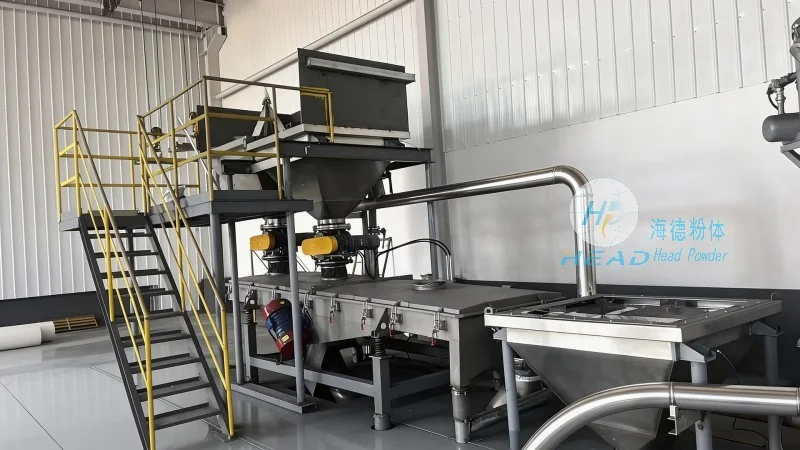
Understanding Polycarbonate Properties and Conveying Challenges
Before delving into specific conveying methods, it's essential to understand the unique characteristics of polycarbonate that influence handling. Polycarbonate particles can vary in size, shape, and density, which affects how they move through conveying systems. Additionally, polycarbonate is sensitive to moisture and can be prone to static charge buildup, especially when processed in dry environments. These factors make traditional bulk handling methods less suitable and highlight the importance of specialized conveying solutions.
Common Polycarbonate Conveying Methods
Several methods are employed for transporting polycarbonate, each with its own set of advantages and limitations. The most common approaches include mechanical conveying systems like screw conveyors, belt conveyors, and bucket elevators, as well as pneumatic conveying systems. Mechanical systems are often preferred for heavy-duty applications where high pressure and continuous flow are required. However, for fine powders or granules, pneumatic conveying offers superior control and minimal product degradation.
Polycarbonate Pneumatic Conveying Systems: How They Work
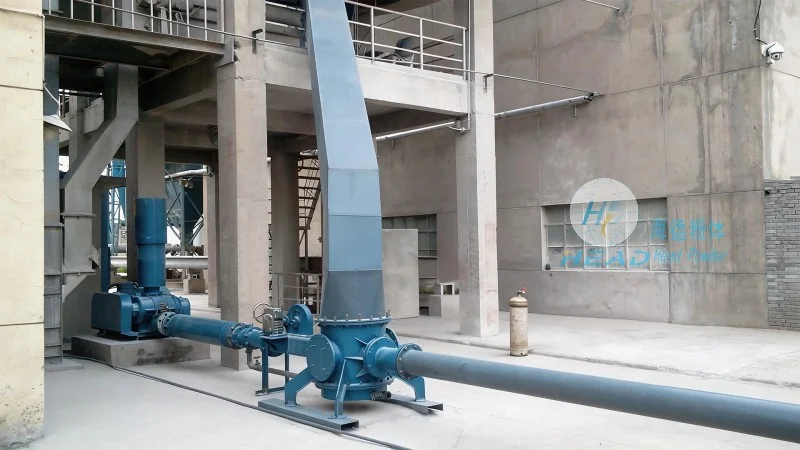
Pneumatic conveying systems utilize air or other gases to transport polycarbonate particles through a pipeline. There are two primary types: pressure and vacuum systems. In pressure systems, compressed air is used to push the material forward, while vacuum systems use a vacuum to draw the material into the system. Both methods are effective for polycarbonate, but the choice depends on the distance, volume, and material characteristics. For example, pressure systems are ideal for short to medium distances and high-volume applications, whereas vacuum systems are better suited for long-distance or low-volume transport.
Advantages of Polycarbonate Pneumatic Conveying
Polycarbonate pneumatic conveying offers several key advantages over traditional mechanical methods. First, it minimizes product contamination and degradation by eliminating direct contact with metal components. The enclosed pipeline system also prevents dust and moisture from entering the material, which is critical for maintaining the quality of polycarbonate. Additionally, pneumatic systems provide better control over flow rates and can handle a wide range of particle sizes, from fine powders to coarse granules. This flexibility makes them suitable for various industrial applications, including manufacturing, packaging, and processing plants.
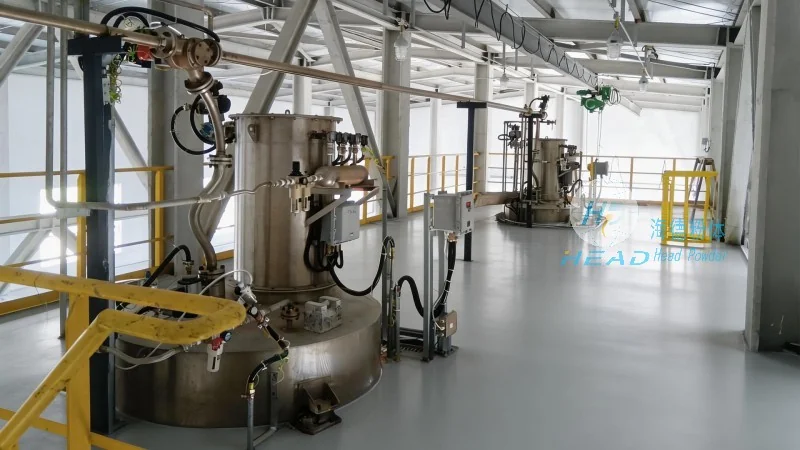
Applications of Polycarbonate Pneumatic Conveying
Polycarbonate pneumatic conveying systems are widely used in industries that require precise and efficient material handling. In the automotive industry, they are used to transport polycarbonate components for injection molding. In the electronics sector, they handle polycarbonate powders for 3D printing and component assembly. The food and beverage industry also benefits from these systems when processing polycarbonate packaging materials. Moreover, in research and development facilities, pneumatic conveying is used for laboratory-scale polycarbonate processing, ensuring consistent and controlled material transport.
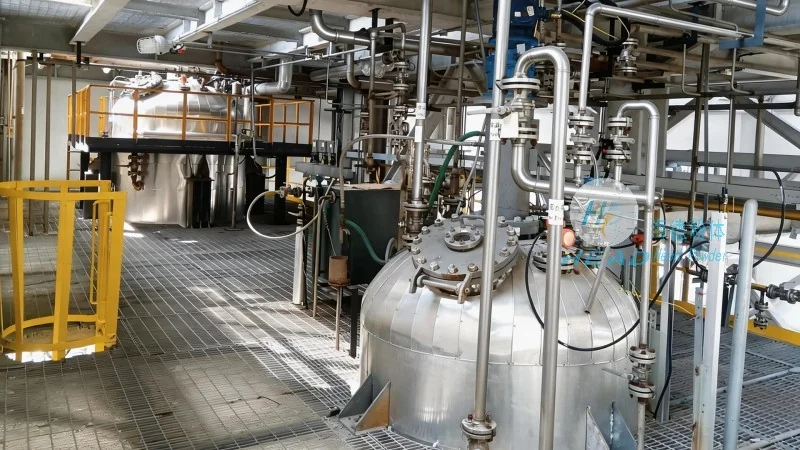
Key Considerations for Implementing Polycarbonate Pneumatic Conveying
When selecting a polycarbonate pneumatic conveying system, several factors must be considered to ensure optimal performance. Material properties, such as particle size, density, and moisture content, play a significant role in system design. The distance and layout of the conveying line also impact the choice between pressure and vacuum systems. Additionally, the system must be equipped with proper filtration and cleaning mechanisms to prevent polycarbonate buildup and maintain air quality. Regular maintenance is essential to ensure the longevity and efficiency of the system.
Conclusion
Polycarbonate is a valuable material in many industries, and choosing the right conveying method is vital for its successful handling. While mechanical systems have their place, polycarbonate pneumatic conveying systems offer superior performance, especially for fine powders and granules. By understanding the properties of polycarbonate and the capabilities of pneumatic conveying, manufacturers can enhance operational efficiency and product quality. As a leading provider of engineering solutions, Shandong HeadPowder Engineering Co., Ltd. specializes in designing and manufacturing customized polycarbonate conveying systems tailored to specific industrial needs, ensuring reliable and efficient material transport.

 Công ty TNHH Kỹ thuật Công trình Bột Hải Đức Sơn Đông
 156-6277-7102(Quản lý Trương)
  0531-83386006
  Quận Chương Khâu, Thành phố Tế Nam, Tỉnh Sơn Đông, Trung Quốc
Điện thoại
WeChatTư vấn
Lên đầu