Công ty Hải Đức Bột với hơn 10 năm kinh nghiệm vận chuyển khí, cung cấp hệ thống‑thiết bị‑quạt gió và nhận dự án tổng thầu bột cả nước
Graphite electrodes are critical components in electric arc furnaces, used for steelmaking and other industrial processes. The efficient and safe transportation of these electrodes is essential for maintaining production efficiency and operational safety. This article explores common conveying methods for graphite electrodes, with a focus on the pneumatic conveying approach, and highlights the expertise of Shandong HeadPowder Engineering Co., Ltd. (referred to as HeadPowder) in this field.
Understanding Graphite Electrode Conveying: The Importance of Method Selection
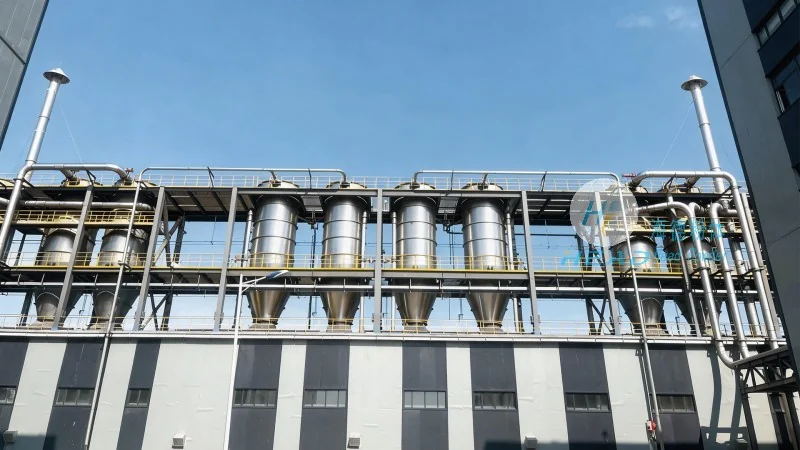
When transporting graphite electrodes, several factors must be considered, including material properties, production scale, and operational environment. The choice of conveying method directly impacts the integrity of the electrodes, as well as the overall efficiency of the manufacturing process. Traditional methods like manual handling or mechanical conveyors may not be suitable for large-scale operations or for maintaining the high purity and structural integrity of graphite electrodes. Therefore, specialized techniques are often employed to ensure safe and effective transport.
Common Graphite Electrode Conveying Methods
There are several established methods for transporting graphite electrodes, each with its own advantages and limitations. The primary methods include:
Pneumatic Conveying: This method uses air pressure to move graphite electrodes through a system of pipes. It is particularly effective for handling large, heavy, or delicate electrodes, as it minimizes physical contact and reduces the risk of damage. Pneumatic systems can be designed for both low and high-pressure applications, making them versatile for various industrial settings.
Mechanical Conveyors: These systems use belts, rollers, or chains to transport electrodes. They are suitable for horizontal or slight incline movements and are often used in combination with other methods. However, mechanical conveyors may cause friction and wear on the electrodes, potentially affecting their quality.
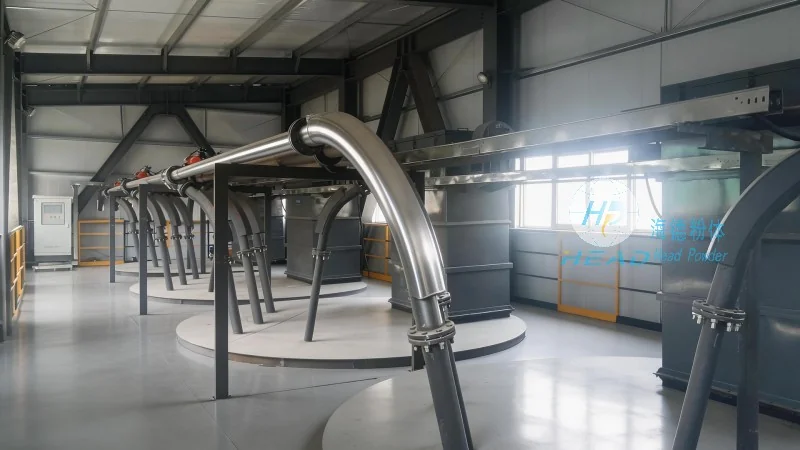
Hydraulic Conveying: This approach employs hydraulic pressure to move electrodes through a system. It is less common for graphite electrodes due to the potential for moisture contamination, which can compromise the material's electrical and thermal properties.
Manual Handling: While not a specialized method, manual handling is still used in some small-scale operations. This approach is labor-intensive and poses risks to workers, as graphite electrodes can be heavy and difficult to maneuver safely.
Introduction to Pneumatic Conveying for Graphite Electrodes
Pneumatic conveying is widely regarded as one of the most effective methods for transporting graphite electrodes. This technique involves creating a flow of air within a sealed system, which propels the electrodes through the pipes. The system typically includes a hopper for loading the electrodes, a conveyor line, and a discharge point for unloading. The design of the pneumatic system is critical to ensure efficient transport without causing damage to the electrodes.
Key components of a pneumatic conveying system for graphite electrodes include:
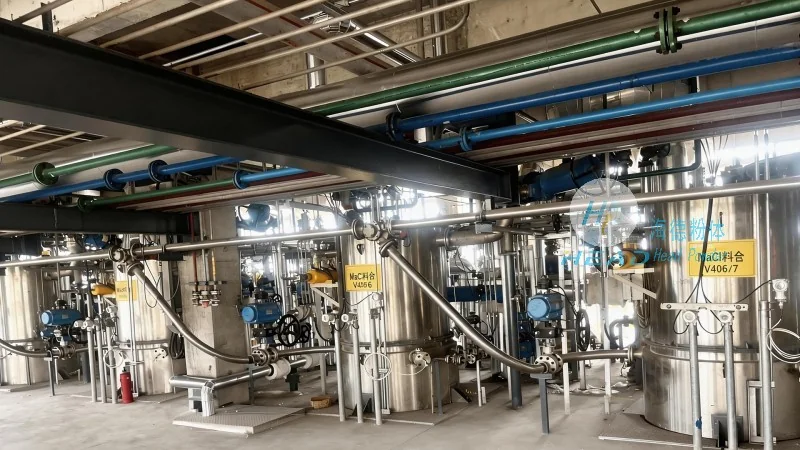
Air Compressors: These provide the necessary pressure to move the electrodes through the system. The choice of compressor depends on the pressure requirements and the size of the electrodes being transported.
Piping and Fittings: Durable, corrosion-resistant materials are used for the pipes to withstand the abrasive nature of graphite. Specialized fittings and valves are installed to control the flow and direction of the electrodes.
Seal and Filter Systems: To prevent dust and particles from escaping into the environment, and to maintain the purity of the electrodes, seal and filter systems are essential. These systems ensure that the air and material remain contained within the conveying line.
Control Systems: Advanced control systems monitor the pressure, flow, and position of the electrodes, allowing for real-time adjustments to optimize the conveying process.
Advantages of Pneumatic Conveying for Graphite Electrodes
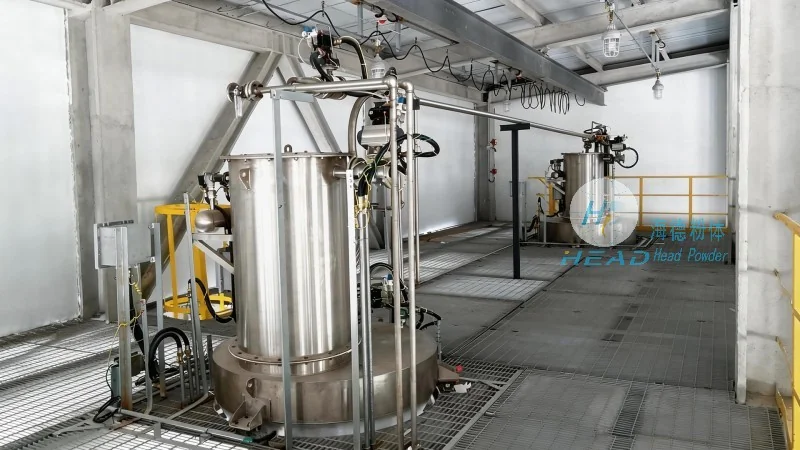
There are several advantages to using pneumatic conveying for graphite electrodes. First, it minimizes physical contact with the electrodes, reducing the risk of damage or contamination. This is particularly important for high-purity graphite electrodes used in steelmaking, as any impurities can affect the quality of the final product. Second, pneumatic systems can handle large volumes of material efficiently, making them suitable for high-production environments. Third, the enclosed system reduces dust and fume emissions, improving workplace safety and compliance with environmental regulations.
HeadPowder's Expertise in Graphite Electrode Conveying
Shandong HeadPowder Engineering Co., Ltd. specializes in the design, manufacturing, and implementation of advanced conveying systems for graphite electrodes. With years of experience in the industry, HeadPowder has developed customized solutions tailored to the specific needs of their clients. The company's engineers work closely with clients to assess their production requirements, material characteristics, and operational constraints, ensuring that the chosen conveying method is both effective and cost-efficient.
HeadPowder's pneumatic conveying systems are engineered to meet the highest standards of performance and safety. The company uses high-quality materials and components to ensure durability and reliability. Additionally, HeadPowder provides comprehensive support, including installation, commissioning, and maintenance services, to ensure that the conveying system operates at peak efficiency throughout its lifecycle.
Conclusion: Choosing the Right Conveying Method for Graphite Electrodes
The selection of a conveying method for graphite electrodes is a critical decision that impacts production efficiency, product quality, and operational safety. While several methods are available, pneumatic conveying stands out as a superior option for many applications due to its ability to handle large, delicate materials without causing damage. By leveraging the expertise of companies like Shandong HeadPowder Engineering Co., Ltd., industrial facilities can ensure that their graphite electrode transport processes are optimized for performance and reliability.

 Công ty TNHH Kỹ thuật Công trình Bột Hải Đức Sơn Đông
 156-6277-7102(Quản lý Trương)
  0531-83386006
  Quận Chương Khâu, Thành phố Tế Nam, Tỉnh Sơn Đông, Trung Quốc
Điện thoại
WeChatTư vấn
Lên đầu