Công ty Hải Đức Bột với hơn 10 năm kinh nghiệm vận chuyển khí, cung cấp hệ thống‑thiết bị‑quạt gió và nhận dự án tổng thầu bột cả nước
When it comes to handling and transporting corn stalks, selecting the right conveying method is crucial for efficiency and cost-effectiveness. Corn stalks, as agricultural residues, require reliable systems that can manage their bulk and variability. This article explores common corn stalk conveying methods, with a focus on the advantages and applications of pneumatic conveying systems.
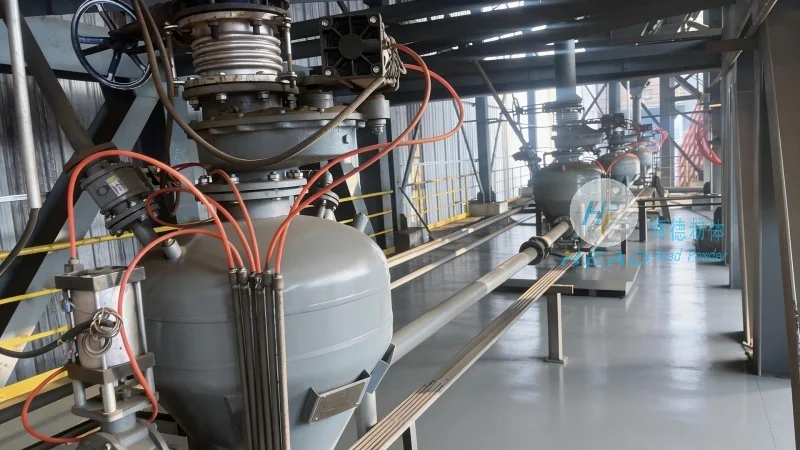
1. Mechanical Conveying Methods: Traditional Approaches
Traditional mechanical conveying systems have long been used in agricultural and industrial settings for moving bulk materials like corn stalks. These methods typically rely on physical components such as belts, chains, or screws to transport the material. For example, belt conveyors use a continuous belt to move stalks from one location to another, while chain conveyors employ a series of interconnected links to carry the material. Screw conveyors, also known as augers, use a rotating screw to push the stalks forward. These mechanical systems are generally robust and can handle high volumes, but they may face challenges with material variability and the need for regular maintenance.
2. Pneumatic Conveying: The Modern Solution for Corn Stalk Transport
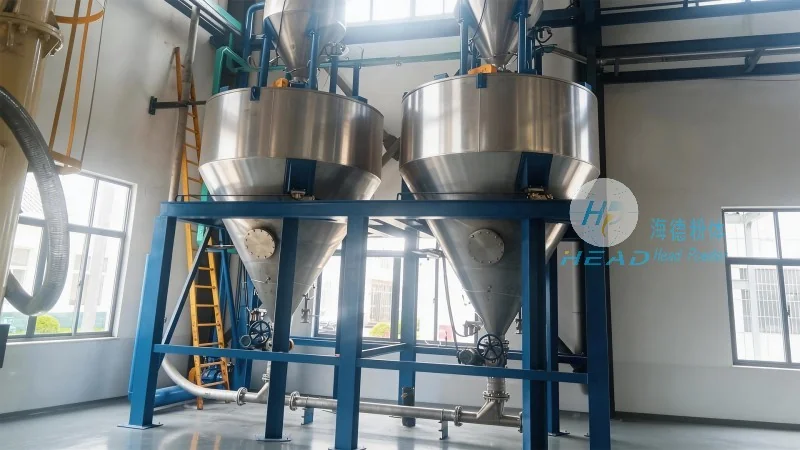
Pneumatic conveying, also known as air conveying, represents a modern and efficient approach to moving corn stalks. This method uses air pressure to transport the material through a pipeline system. The process involves creating a flow of air that carries the stalks from the source to the destination. There are two main types of pneumatic conveying: pressure and vacuum systems. Pressure systems use compressed air to push the material through the pipeline, while vacuum systems use a vacuum to pull the material. Pneumatic conveying offers several advantages over mechanical systems, including reduced maintenance, lower energy consumption, and the ability to handle materials with high moisture content or dust. It also allows for more flexible system layouts, as the pipeline can be routed around obstacles and changes in elevation.
3. HeadPowder: Leading Corn Stalk Pneumatic Conveying Solutions
Shandong HeadPowder Engineering Co., Ltd., a prominent manufacturer based in China, specializes in providing advanced pneumatic conveying systems for agricultural applications. With years of experience in the industry, HeadPowder has developed innovative solutions tailored to the unique challenges of corn stalk handling. The company’s products are designed to maximize efficiency, minimize downtime, and ensure safe operation. HeadPowder’s expertise in material handling technology enables them to offer customized solutions that meet the specific needs of each client, whether for small-scale farms or large industrial operations.
4. Advantages of Pneumatic Conveying for Corn Stalks
Compared to mechanical conveying, pneumatic systems offer several key benefits for corn stalk transport. First, they eliminate the need for physical contact between the material and the conveying equipment, reducing wear and tear on components. This leads to lower maintenance costs and longer equipment lifespan. Second, pneumatic conveying is more energy-efficient, as it uses less power to move the material compared to mechanical systems. Third, the system can handle a wide range of stalk sizes and moisture levels without clogging or damaging the material. Additionally, pneumatic conveying allows for better control over the material flow, enabling precise delivery to processing or storage areas. These advantages make pneumatic systems an attractive option for modern agricultural operations seeking to improve productivity and reduce operational costs.
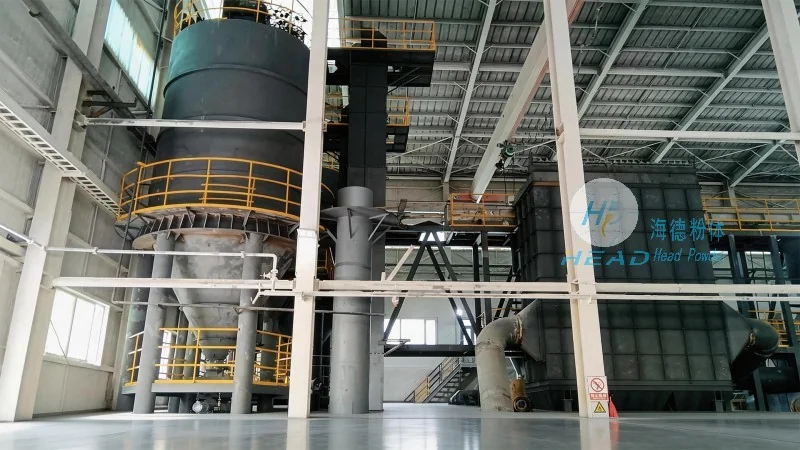
5. Applications in Agricultural Processing
Corn stalks are often processed into biofuels, animal feed, or other value-added products. Pneumatic conveying systems play a critical role in moving these materials through the processing stages. For example, in a biofuel plant, corn stalks are first collected and then transported to a grinding or shredding unit. The pneumatic system then moves the processed material to a storage silo or a reactor. Similarly, in a feed mill, the stalks are conveyed to a mixing and pelletizing line. The efficiency of the conveying system directly impacts the overall throughput of the processing plant, making it essential to choose a reliable and high-performance solution.
6. Conclusion: Choosing the Right Conveying Method for Corn Stalks
When selecting a corn stalk conveying method, it is important to consider factors such as material characteristics, system layout, and operational requirements. While mechanical systems remain a viable option for some applications, pneumatic conveying offers significant advantages in terms of efficiency, flexibility, and maintenance. Companies like Shandong HeadPowder Engineering Co., Ltd. provide advanced pneumatic conveying solutions that can meet the diverse needs of agricultural operations. By investing in the right conveying technology, farmers and processors can enhance productivity, reduce costs, and ensure the smooth flow of their operations. Whether for small-scale or large-scale applications, pneumatic conveying is a modern and effective solution for moving corn stalks efficiently and reliably.

 Công ty TNHH Kỹ thuật Công trình Bột Hải Đức Sơn Đông
 156-6277-7102(Quản lý Trương)
  0531-83386006
  Quận Chương Khâu, Thành phố Tế Nam, Tỉnh Sơn Đông, Trung Quốc
Điện thoại
WeChatTư vấn
Lên đầu