Công ty Hải Đức Bột với hơn 10 năm kinh nghiệm vận chuyển khí, cung cấp hệ thống‑thiết bị‑quạt gió và nhận dự án tổng thầu bột cả nước
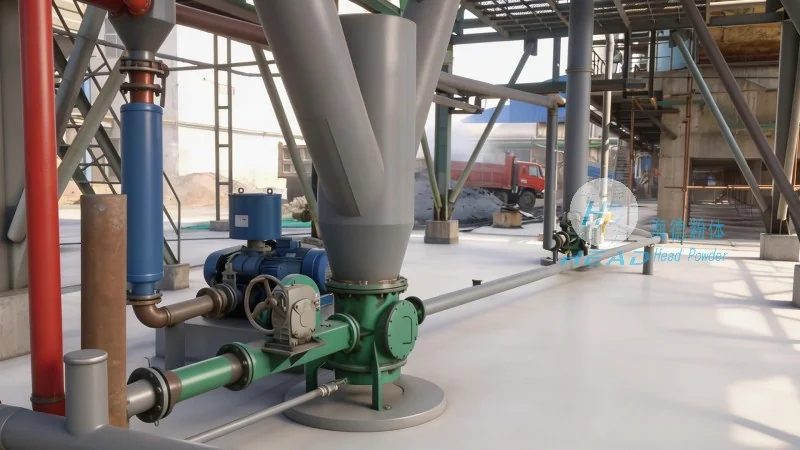
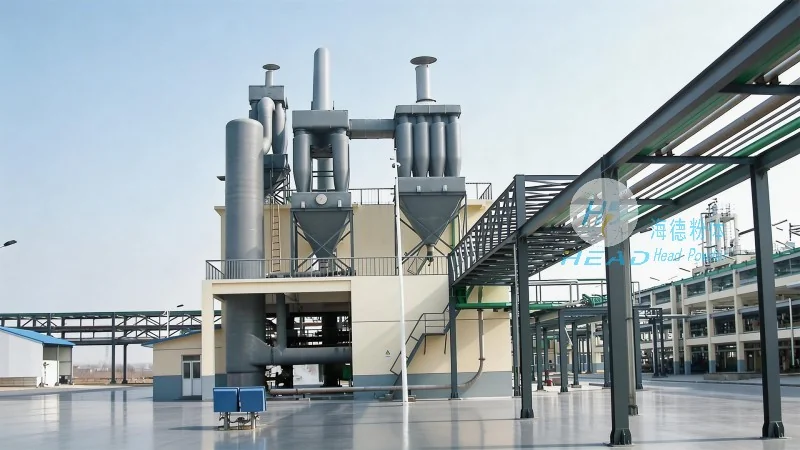
When it comes to transporting activated carbon particles, selecting the right conveying method is crucial for efficiency, cost-effectiveness, and material integrity. Activated carbon, widely used in industrial applications such as air purification, water treatment, and chemical processes, often requires specialized handling due to its fine particle size and potential for dust generation. The choice of conveying method impacts not only the operational performance but also the overall safety and environmental compliance of the system. In this overview, we explore common activated carbon particle conveying methods, with a focus on the advantages and applications of pneumatic conveying, a popular solution for handling such materials.
Understanding Activated Carbon Particle Characteristics
Before delving into conveying methods, it's essential to understand the properties of activated carbon particles that influence the selection of a suitable system. Activated carbon is typically produced in granular or powdered forms, with particle sizes ranging from a few microns to several millimeters. The material is known for its high surface area, porous structure, and ability to adsorb impurities. However, these characteristics also make it prone to caking, agglomeration, and dust generation during handling. The density and flowability of the particles, as well as their tendency to create static electricity, are critical factors that affect the design and operation of conveying equipment. For instance, fine powdered activated carbon may require more careful handling to prevent dust explosions or clogging in pipelines, while larger granules might be more amenable to bulk handling systems.
Common Conveying Methods for Activated Carbon Particles
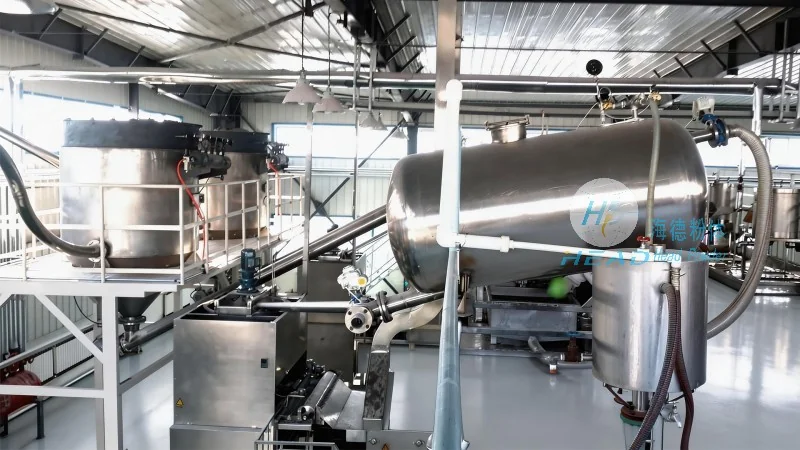
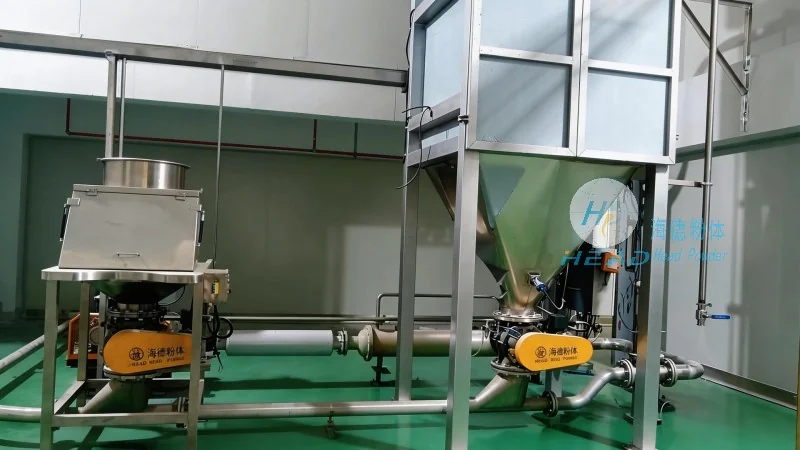
Several methods are employed for transporting activated carbon particles, each with its own set of advantages and limitations. The primary categories include mechanical conveying (such as screw conveyors, belt conveyors, and bucket elevators) and pneumatic conveying (including pressure and vacuum systems). Mechanical methods are often preferred for short-distance, low-volume applications where the material is less abrasive or where dust control is not a major concern. However, for long-distance or high-volume transport of activated carbon, pneumatic conveying systems are generally more efficient and flexible.

 Công ty TNHH Kỹ thuật Công trình Bột Hải Đức Sơn Đông
 156-6277-7102(Quản lý Trương)
  0531-83386006
  Quận Chương Khâu, Thành phố Tế Nam, Tỉnh Sơn Đông, Trung Quốc
Điện thoại
WeChatTư vấn
Lên đầu