Công ty Hải Đức Bột với hơn 10 năm kinh nghiệm vận chuyển khí, cung cấp hệ thống‑thiết bị‑quạt gió và nhận dự án tổng thầu bột cả nước
When it comes to the efficient and reliable transport of monosodium glutamate (MSG) in industrial settings, the design of a pneumatic conveying system is a critical factor. A well-designed system not only ensures the safe and effective movement of the product but also minimizes operational costs and maintenance requirements. This article provides a detailed guide on how to design a reasonable MSG pneumatic conveying system, incorporating key considerations and best practices from industry experts.
Understanding the Core Principles of Pneumatic Conveying
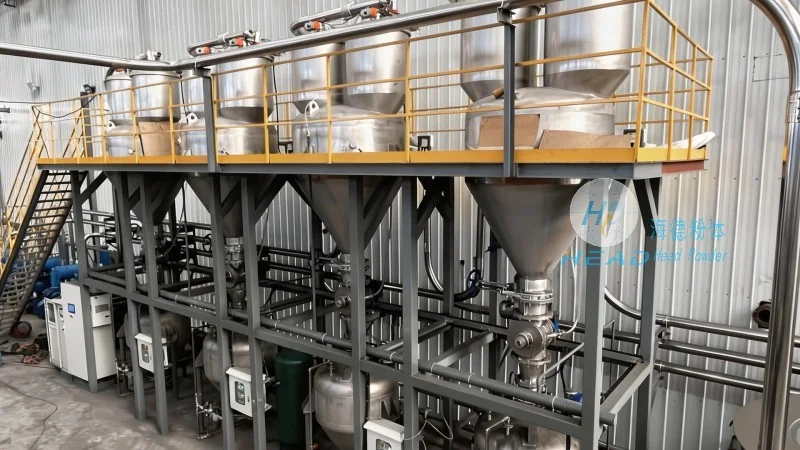
Pneumatic conveying systems utilize air or other gases to transport bulk materials like MSG through a pipeline network. The fundamental principle involves creating a pressure differential that propels the material forward. There are two primary types of pneumatic conveying: pressure and vacuum systems. Pressure systems use compressed air to push the material, while vacuum systems use a vacuum to pull it. For MSG, which is typically a fine powder, a pressure system is often preferred due to its ability to handle high material loads and maintain consistent flow rates.
Key Design Factors for MSG Pneumatic Conveying
Several critical factors must be considered when designing an MSG pneumatic conveying system. The first is the material's properties, including its particle size, density, and flowability. MSG is a fine powder with a relatively low bulk density, which can affect the system's capacity and energy consumption. Proper sizing of the conveying line and the selection of appropriate air velocities are essential to prevent material degradation and ensure smooth transport. Additionally, the system must be designed to handle the potential for caking or agglomeration, which can occur with certain MSG formulations. This may require the inclusion of inline mixers or vibrators to maintain material flowability.
System Components and Their Roles
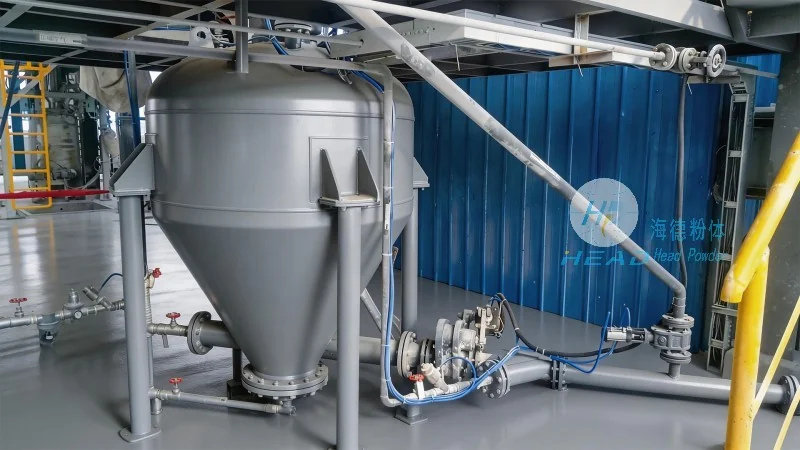
A pneumatic conveying system for MSG typically consists of several key components. The primary components include the material feed hopper, the conveying line, the air supply unit (such as a blower or compressor), and the discharge equipment. The feed hopper is responsible for storing and feeding the MSG into the system, ensuring a consistent flow rate. The conveying line, made of materials resistant to corrosion and abrasion (such as stainless steel), transports the material from the feed point to the discharge point. The air supply unit provides the necessary pressure or vacuum to move the material through the line. The discharge equipment, such as a rotary valve or a dust collector, controls the release of the material at the end of the system.
Material Handling Considerations for MSG
MSG is a hygroscopic material, meaning it can absorb moisture from the air. This property can affect the system's performance and the quality of the final product. Therefore, the design must include measures to control humidity and prevent moisture absorption. This may involve the use of drying equipment or the incorporation of a dehumidification system in the air supply unit. Additionally, the system must be designed to prevent contamination, as MSG is a food-grade product. All components in contact with the material should be made of food-grade materials, and the system should be regularly cleaned and sanitized to maintain hygiene standards.
Energy Efficiency and Maintenance in System Design
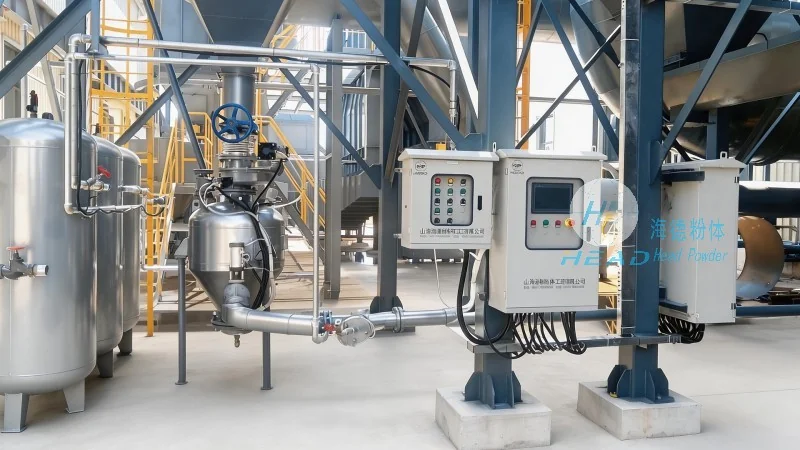
Energy efficiency is a crucial consideration in the design of any pneumatic conveying system. The selection of the appropriate air velocity and the sizing of the blower or compressor can significantly impact energy consumption. A well-designed system will optimize air usage while maintaining the required material flow rate. Regular maintenance is also essential to ensure the system operates efficiently and reliably. This includes monitoring air pressure, checking for leaks in the conveying line, and cleaning or replacing filters as needed. Proper maintenance can extend the system's lifespan and reduce long-term operational costs.
Case Study: A Successful MSG Pneumatic Conveying System Implementation
Shandong HeadPowder Engineering Co., Ltd., a leading provider of engineering solutions for the food processing industry, has successfully implemented several MSG pneumatic conveying systems. One notable project involved designing a system for a large MSG manufacturer in China. The system was tailored to handle the specific properties of the MSG, including its fine particle size and hygroscopic nature. The design incorporated stainless steel components to ensure corrosion resistance and included a dehumidification system to control moisture absorption. The system has been in operation for over five years, achieving high material throughput with minimal downtime and maintenance. This case study highlights the importance of a customized approach to system design, as each MSG production facility has unique requirements.
Conclusion: Designing for Reliability and Efficiency
Designing a reasonable MSG pneumatic conveying system requires a comprehensive understanding of the material's properties, the system's components, and the operational environment. By considering factors such as material flowability, system components, and energy efficiency, engineers can create a system that meets the specific needs of the MSG manufacturer. The key is to balance performance with cost-effectiveness and reliability. With the right design approach, a pneumatic conveying system can provide years of trouble-free operation, ensuring the safe and efficient transport of MSG from the production line to the final packaging stage.

 Công ty TNHH Kỹ thuật Công trình Bột Hải Đức Sơn Đông
 156-6277-7102(Quản lý Trương)
  0531-83386006
  Quận Chương Khâu, Thành phố Tế Nam, Tỉnh Sơn Đông, Trung Quốc
Điện thoại
WeChatTư vấn
Lên đầu