Công ty Hải Đức Bột với hơn 10 năm kinh nghiệm vận chuyển khí, cung cấp hệ thống‑thiết bị‑quạt gió và nhận dự án tổng thầu bột cả nước
For businesses in the cotton processing industry, selecting and implementing an efficient cotton pneumatic conveying system is crucial for optimizing operational efficiency and ensuring product quality. A well-designed system can significantly reduce labor costs, minimize material loss, and enhance overall production throughput. This article will guide you through the key considerations and steps involved in designing a reasonable cotton pneumatic conveying system, with a focus on practical solutions tailored to industry needs.
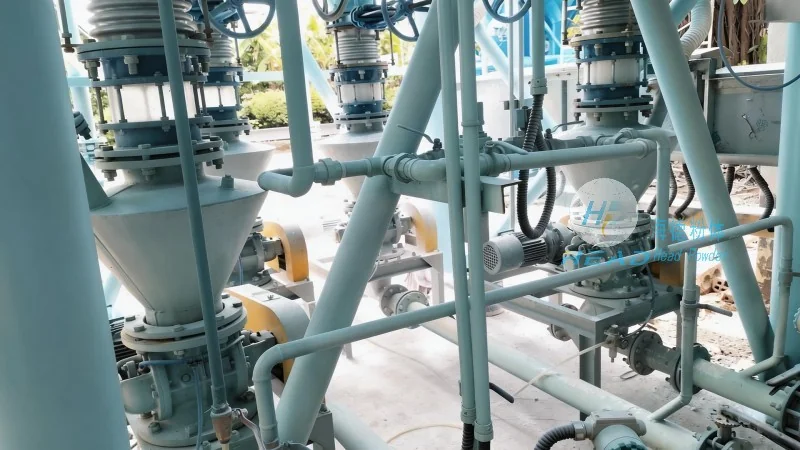
Introduction to Cotton Pneumatic Conveying Systems
Cotton pneumatic conveying systems utilize air pressure to transport cotton and other light bulk materials from one location to another. These systems are widely used in cotton ginning, baling, and processing facilities due to their ability to handle fine particles and minimize contamination. The core components of a typical system include a hopper, feeder, air compressor, conveying pipes, and a receiver. Proper design of each component is essential to ensure reliable and efficient operation.
Key Factors in System Design
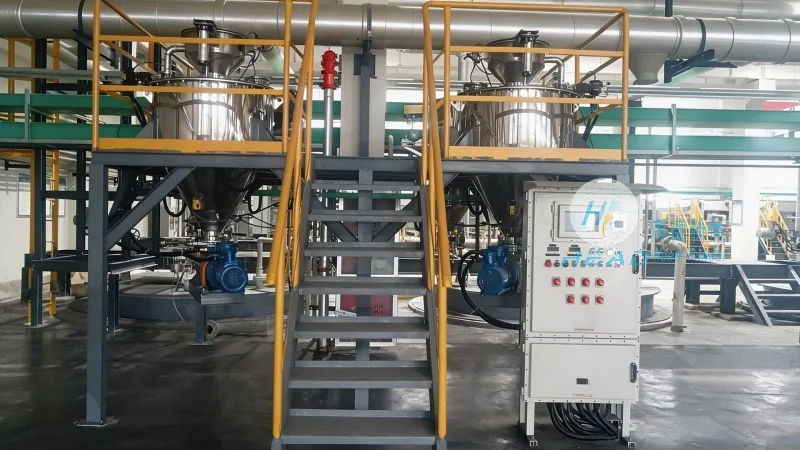
When designing a cotton pneumatic conveying system, several critical factors must be considered to achieve optimal performance. These factors include material properties, system capacity, operating environment, and budget constraints. Understanding the specific characteristics of the cotton being handled is the first step. For example, the moisture content, particle size, and density of the cotton will directly impact the air velocity and pressure required for effective transport.
System Sizing and Capacity Planning
Accurate system sizing is vital to meet production demands without over-engineering or under-provisioning. The design process typically starts with determining the required conveying capacity, which is measured in terms of material flow rate (e.g., tons per hour). This is followed by calculating the necessary air volume and pressure based on the material's properties and the system's layout. Overestimating or underestimating these parameters can lead to system inefficiencies, such as material blockages or excessive energy consumption.
Piping and Layout Considerations
The layout of the conveying system, including the length and diameter of pipes, the number of bends, and the placement of components, plays a significant role in system performance. Vertical and horizontal runs must be carefully planned to minimize pressure losses and prevent material accumulation. For long-distance conveying, using larger diameter pipes or incorporating booster units may be necessary to maintain sufficient air velocity. Additionally, proper sealing of joints and connections is essential to prevent air leaks, which can reduce system efficiency and increase energy costs.
Air Compressor Selection
The air compressor is the heart of the pneumatic conveying system, responsible for generating the necessary pressure and air volume. The choice of compressor type—such as rotary lobe, screw, or centrifugal—depends on factors like system pressure requirements, flow rate, and noise levels. For cotton applications, where low noise and stable pressure are often preferred, rotary lobe compressors are commonly used. These compressors are capable of delivering consistent air flow while maintaining low vibration and noise levels, contributing to a more comfortable working environment.
Feeder and Hopper Design
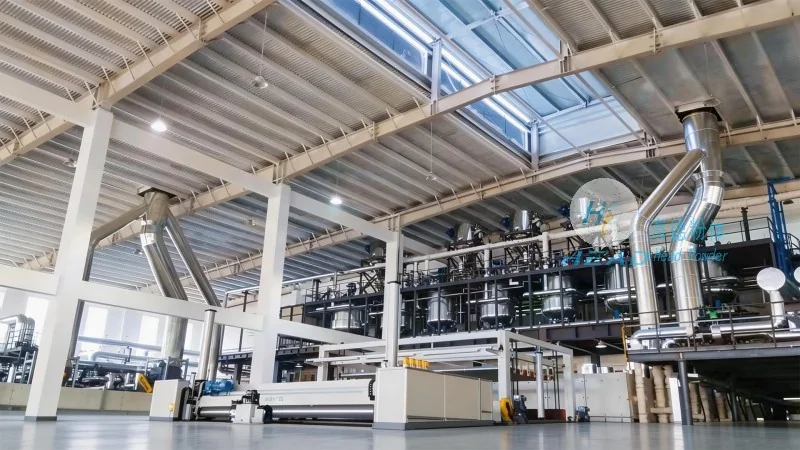
The feeder and hopper are critical components that ensure a consistent material feed into the system. The hopper must be designed to store sufficient material and provide a smooth flow to the feeder. For cotton, which can be dusty and prone to bridging, the hopper may include features like cone-shaped bottoms or vibrators to prevent material buildup. The feeder, typically a rotary valve or a screw feeder, regulates the material flow rate and ensures a steady supply to the conveying line. Proper design of these components prevents blockages and maintains system reliability.
Receiver and Material Handling
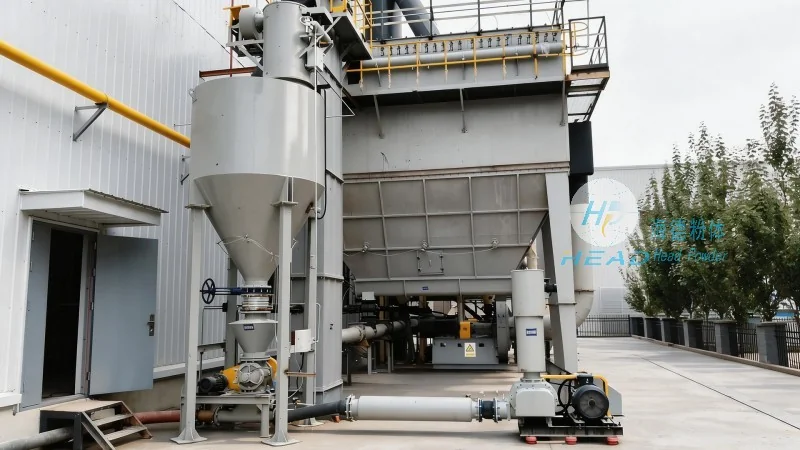
The receiver is the final component of the conveying system, where the transported cotton is deposited. It should be designed to handle the incoming material without causing spillage or contamination. For cotton applications, the receiver may include a dust collection system to capture airborne particles and maintain a clean environment. Additionally, the receiver's capacity should be sufficient to store the processed material until it is transferred to the next stage of production. Proper sealing and maintenance of the receiver are essential to prevent material loss and ensure product quality.
Installation and Maintenance Considerations
Proper installation and regular maintenance are crucial for the long-term performance and reliability of a cotton pneumatic conveying system. During installation, all components must be aligned correctly and securely fastened to prevent vibrations and leaks. Regular inspections should be conducted to check for wear and tear on parts such as seals, bearings, and filters. Filters are particularly important in cotton systems, as they help remove dust and debris from the air, protecting the compressor and extending its lifespan. Routine maintenance, including cleaning filters and checking air pressure, can significantly reduce downtime and maintenance costs.
Conclusion
Designing a reasonable cotton pneumatic conveying system requires a comprehensive understanding of material properties, system requirements, and operational constraints. By carefully considering factors such as capacity, piping layout, compressor selection, and maintenance, businesses can implement an efficient system that enhances productivity and reduces operational costs. With the expertise of companies like Shandong HeadPowder Engineering Co., Ltd., which specializes in engineering and manufacturing cotton processing equipment, businesses can ensure that their pneumatic conveying systems are tailored to their specific needs and deliver optimal performance.

 Công ty TNHH Kỹ thuật Công trình Bột Hải Đức Sơn Đông
 156-6277-7102(Quản lý Trương)
  0531-83386006
  Quận Chương Khâu, Thành phố Tế Nam, Tỉnh Sơn Đông, Trung Quốc
Điện thoại
WeChatTư vấn
Lên đầu