Công ty Hải Đức Bột với hơn 10 năm kinh nghiệm vận chuyển khí, cung cấp hệ thống‑thiết bị‑quạt gió và nhận dự án tổng thầu bột cả nước
When designing a gas-pneumatic conveying system for winery spoilage, it is crucial to consider several key factors that ensure efficiency, reliability, and cost-effectiveness. The system must be tailored to the specific characteristics of the spoilage material, such as its moisture content, particle size, and flowability. Additionally, the system should align with the overall production workflow in the winery, integrating seamlessly with existing equipment and processes. This article provides a comprehensive guide to designing a rational gas-pneumatic conveying system for winery spoilage, focusing on the technical aspects and practical considerations that contribute to successful implementation.
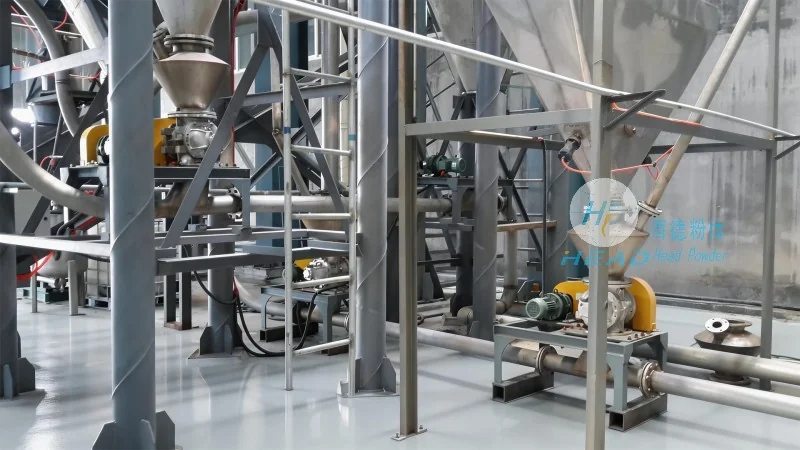
Key Design Considerations for Winery Spoilage Conveying
Several critical factors must be evaluated during the design phase of a winery spoilage gas-pneumatic conveying system. First, the material properties of the spoilage, including its bulk density, abrasiveness, and potential for caking, directly impact the choice of conveying equipment and system configuration. For instance, high moisture content may require additional drying or conditioning steps to prevent blockages and ensure smooth flow. The particle size distribution is another important parameter; systems designed for fine particles may need specialized nozzles and ductwork to maintain consistent air velocity and prevent deposition. Furthermore, the system's capacity requirements must be determined based on the winery's production volume and the frequency of spoilage generation. This ensures that the conveying system can handle the expected material volume without bottlenecks or overloading. By addressing these factors early in the design process, engineers can avoid costly modifications and optimize the system's performance.
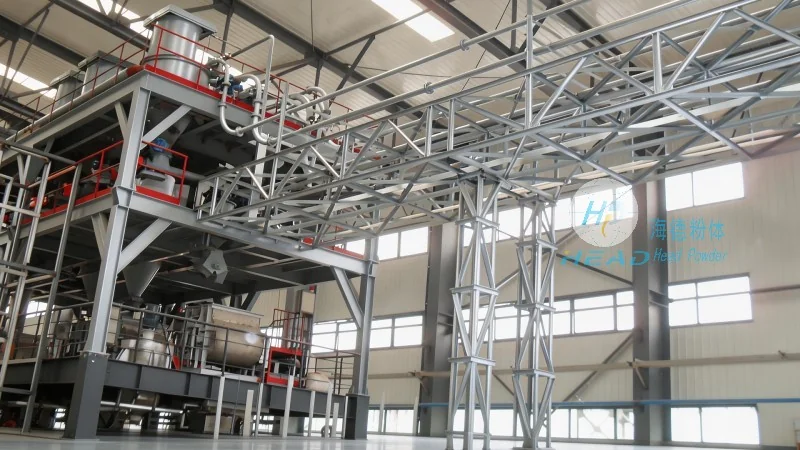
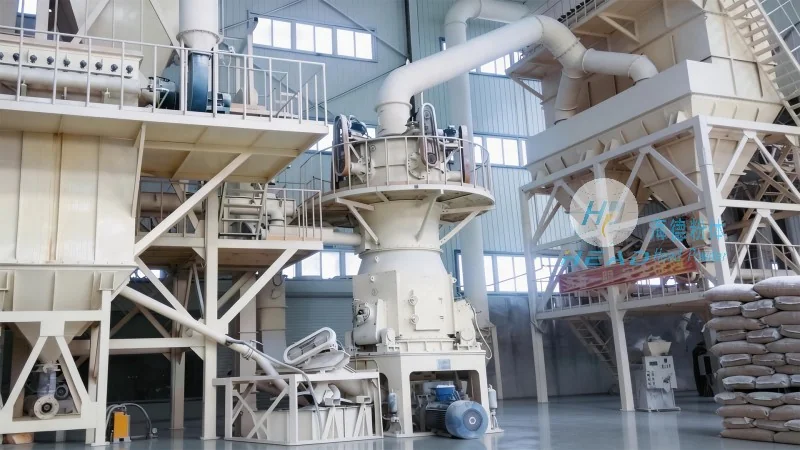
Components of a Typical Winery Spoilage Gas-Pneumatic Conveying System
A standard gas-pneumatic conveying system for winery spoilage typically consists of several interconnected components. The primary elements include a material feeder, which controls the flow of spoilage into the system, a conveying line (often made of stainless steel to resist corrosion from wine byproducts), an air compressor or blower to generate the necessary air pressure, and a receiver or discharge unit where the material is deposited. The material feeder, such as a rotary valve or screw feeder, ensures a consistent feed rate, preventing surges that could lead to system inefficiencies or equipment wear. The conveying line is designed with appropriate bends and transitions to minimize pressure loss and maintain air velocity, which is critical for preventing material settling. The air compressor provides the driving force, with options ranging from positive displacement blowers to centrifugal fans, depending on the system's capacity and pressure requirements. The receiver, often equipped with a dust collection system, collects the conveyed spoilage and may include a discharge valve or hopper for further processing. Each component plays a vital role in the overall system's functionality, and proper selection and integration are essential for reliable operation.
System Sizing and Capacity Calculation
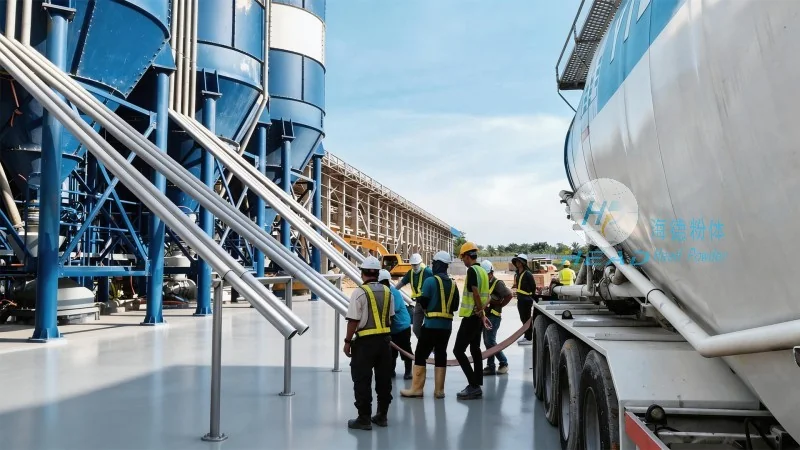
Accurately sizing the gas-pneumatic conveying system is essential to meet the winery's operational needs without overinvestment or underperformance. The process begins with determining the required conveying capacity, which is typically expressed in terms of material flow rate (e.g., tons per hour or cubic meters per hour). This is calculated based on the winery's production schedule, the frequency of spoilage generation, and the desired throughput of the system. Next, the air volume and pressure requirements are determined. The air volume is calculated using the material's bulk density and the desired conveying velocity, while the pressure is determined by the system's length, elevation changes, and the number of bends or fittings. Engineers often use empirical formulas or software tools to model the system and predict performance under different operating conditions. For example, the pressure drop across the conveying line can be estimated using the Darcy-Weisbach equation, considering factors like pipe diameter, material properties, and air velocity. By conducting thorough capacity and pressure calculations, designers can select the appropriate air compressor and conveying line dimensions, ensuring the system operates efficiently and within the specified parameters.

 Công ty TNHH Kỹ thuật Công trình Bột Hải Đức Sơn Đông
 156-6277-7102(Quản lý Trương)
  0531-83386006
  Quận Chương Khâu, Thành phố Tế Nam, Tỉnh Sơn Đông, Trung Quốc
Điện thoại
WeChatTư vấn
Lên đầu