Công ty Hải Đức Bột với hơn 10 năm kinh nghiệm vận chuyển khí, cung cấp hệ thống‑thiết bị‑quạt gió và nhận dự án tổng thầu bột cả nước
When it comes to handling husk materials in agricultural and food processing operations, the design of an efficient and reliable pneumatic conveying system is crucial. Proper system design ensures smooth material transport, minimizes losses, and enhances overall operational efficiency. This article explores the key factors to consider when designing a husk pneumatic conveying system, with a focus on the expertise of Shandong HeadPowder Engineering Co., Ltd., a leading provider in the field.
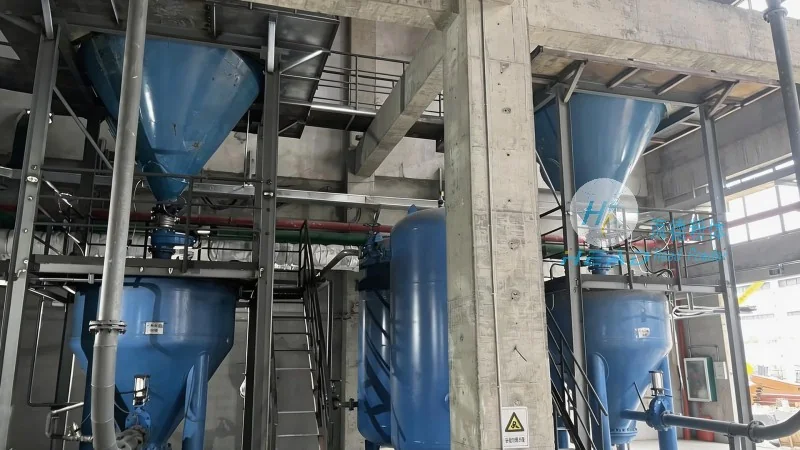
Introduction to Husk Pneumatic Conveying Systems and Their Importance
Husks, such as those from rice, wheat, or other grains, are lightweight and often have a tendency to become airborne during handling. Traditional methods like belt conveyors or manual handling can lead to dust accumulation, material loss, and increased labor costs. Pneumatic conveying systems offer a solution by using air to transport these materials through a sealed pipeline system. This method not only reduces dust and loss but also improves safety and hygiene in processing environments. For businesses dealing with husk materials, investing in a well-designed pneumatic conveying system is a strategic move to enhance productivity and maintain quality control.
Understanding the Core Principles of Pneumatic Conveying for Husk Materials
The fundamental principle of pneumatic conveying involves the use of air pressure to move materials. There are two main types of systems: positive pressure (or pressure) systems, where air is pumped into the system to push the material, and negative pressure (or vacuum) systems, where air is drawn out to pull the material. The choice between these systems depends on factors like the distance to be covered, the amount of material to be conveyed, and the specific characteristics of the husk. For husk materials, which are typically light and abrasive, a well-designed system must account for these properties to prevent blockages, wear, and system inefficiencies. The system design must also consider the material's flowability, moisture content, and potential for dust generation.
Key Design Considerations for a Reliable Husk Pneumatic Conveying System
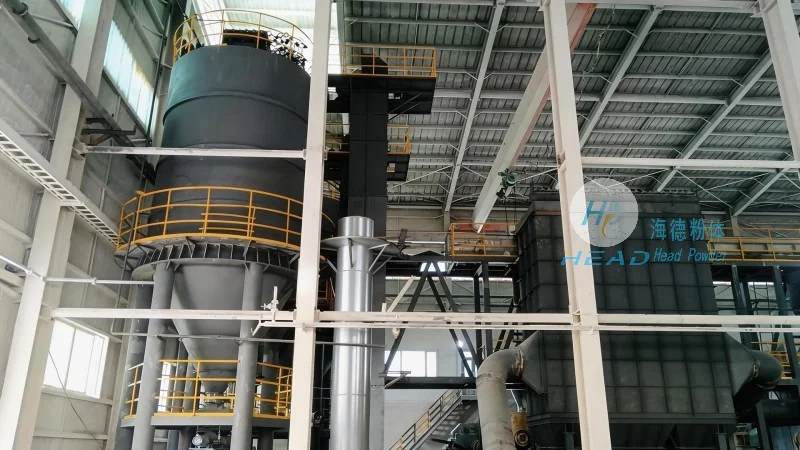
Designing a reliable husk pneumatic conveying system requires careful consideration of several critical elements. First, the layout of the system, including the placement of the feed hopper, the length and diameter of the conveying pipes, and the location of the receiver or discharge point. The pipe diameter is a key factor; too small a diameter can cause excessive pressure drops and blockages, while too large a diameter may be overkill and increase costs. For husk materials, a common pipe diameter range is 50 to 150 millimeters, depending on the volume and velocity of the material. The system layout should also incorporate appropriate slopes to ensure proper material flow and prevent stagnation.
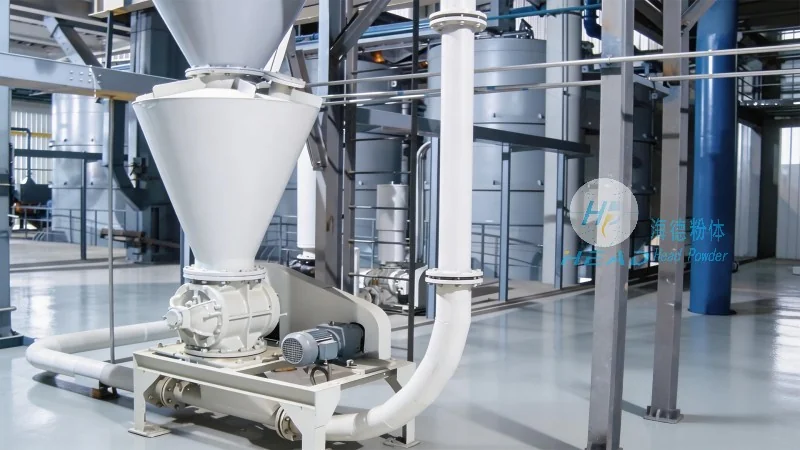
Second, the selection of the feeding equipment is essential. For husk materials, which can be irregularly shaped and lightweight, a rotary valve or a star feeder is often used to provide a consistent flow into the system. These devices help prevent material from clogging the feed inlet and ensure a steady supply to the conveying line. The feeding equipment must be matched to the system's air flow rate and the material's characteristics to maintain optimal performance.
Third, the air supply system, including the blower or vacuum pump, plays a vital role. The blower's capacity and pressure must be sufficient to overcome the system's resistance and transport the husk over the required distance. For long-distance conveying, a high-pressure blower may be necessary, while for shorter distances, a vacuum system might suffice. The air filter and moisture separator are also critical components, as they prevent dust and moisture from entering the blower and damaging the equipment.
Fourth, the system must include proper separation and cleaning equipment. As the husk travels through the pipeline, it may need to be separated from the air stream before discharge. Cyclone separators or bag filters are commonly used to capture the material and return it to the system or to a collection bin. These components help maintain the purity of the material and protect downstream equipment from contamination.
The Role of Shandong HeadPowder Engineering Co., Ltd. in Designing Efficient Systems
Shandong HeadPowder Engineering Co., Ltd., operating under the brand name headpowder, specializes in the design, manufacturing, and installation of pneumatic conveying systems tailored to the needs of husk and other light materials. With a team of experienced engineers and technicians, headpowder provides comprehensive solutions that address the unique challenges of husk handling. The company is based in Shandong, China, and has extensive experience in serving clients across the agricultural and food processing sectors. Their design process begins with a thorough analysis of the client's requirements, including the type and volume of husk, the distance to be conveyed, and the existing infrastructure. This analysis helps in selecting the most suitable system type and components.
headpowder's engineers use advanced software and methodologies to model the system's performance, ensuring that the chosen design will meet the operational goals. They consider factors such as material flow rates, pressure drops, energy consumption, and maintenance requirements to create a cost-effective and durable solution. The company also offers customized designs, adapting standard systems to fit specific site conditions and operational needs. This approach ensures that each system is optimized for the client's unique environment, maximizing efficiency and minimizing downtime.
Customized Solutions for Diverse Husk Handling Needs
Whether it's a small-scale operation on a farm or a large industrial processing facility, headpowder provides tailored husk pneumatic conveying systems. For small farms, a compact system with a lower air flow rate and shorter pipe length may be sufficient to handle daily husk removal from threshing equipment. These systems are designed to be easy to install and maintain, with minimal footprint requirements. On the other hand, large processing plants may require multi-stage systems with higher capacity and longer conveying distances. These systems might include multiple feed points, intermediate separation units, and larger blower capacities to handle the high volume of husk.
The design of these systems also considers the environmental impact and operational safety. For instance, the system may be equipped with dust suppression features to comply with environmental regulations and protect the workforce. Additionally, safety interlocks and emergency shut-off valves are integrated to prevent accidents and ensure smooth operation. By addressing these aspects, headpowder ensures that the systems not only meet the technical requirements but also align with the client's safety and environmental standards.
Ensuring System Efficiency and Durability Through Professional Design
A well-designed husk pneumatic conveying system is not just about moving material; it's about doing so efficiently and with minimal maintenance. headpowder's approach to system design focuses on durability and long-term performance. The use of high-quality materials, such as stainless steel for the pipes and components that come into direct contact with the husk, helps resist corrosion and wear from abrasive materials. Properly sized and positioned bends and elbows reduce pressure losses and prevent material buildup, which can lead to system blockages.

 Công ty TNHH Kỹ thuật Công trình Bột Hải Đức Sơn Đông
 156-6277-7102(Quản lý Trương)
  0531-83386006
  Quận Chương Khâu, Thành phố Tế Nam, Tỉnh Sơn Đông, Trung Quốc
Điện thoại
WeChatTư vấn
Lên đầu