Công ty Hải Đức Bột với hơn 10 năm kinh nghiệm vận chuyển khí, cung cấp hệ thống‑thiết bị‑quạt gió và nhận dự án tổng thầu bột cả nước
When it comes to the efficient and reliable transportation of coke powder, a well-designed pneumatic conveying system is essential. This article provides a comprehensive guide on how to design a rational coke powder pneumatic conveying system, covering key considerations, system components, and practical steps to ensure optimal performance.
Understanding the Importance of a Well-Designed Coke Powder Pneumatic Conveying System
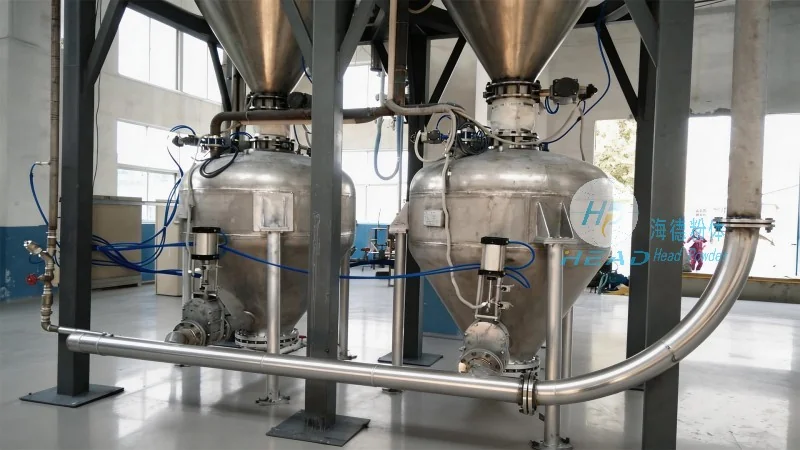
The design of a coke powder pneumatic conveying system is critical for ensuring the safe, efficient, and cost-effective movement of coke powder from one location to another. Poorly designed systems can lead to issues such as blockages, material degradation, and increased energy consumption. By following a systematic approach, engineers can develop a system that meets the specific requirements of the application, including material characteristics, distance, and throughput.
Key Factors to Consider in System Design
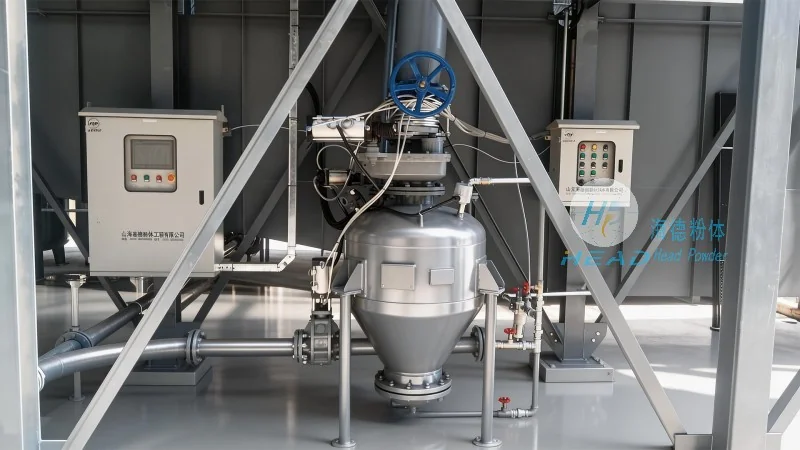
Several critical factors must be carefully evaluated when designing a coke powder pneumatic conveying system. The physical properties of the coke powder, such as particle size distribution, bulk density, and moisture content, are paramount. Larger or irregularly shaped particles may require a different conveying method or equipment to prevent blockages. The moisture content is also important, as high moisture levels can lead to material clumping or degradation during transport. Additionally, the desired conveying distance and required flow rate must be determined to select the appropriate air compressor and pipeline diameter. The choice between dilute-phase and dense-phase conveying is another key decision, as each method has its own advantages and limitations. Dilute-phase systems are generally more suitable for short distances and high flow rates, while dense-phase systems are better for longer distances and lower flow rates. The system must also be designed to handle variations in material feed, such as fluctuations in feed rate or changes in material characteristics, to ensure consistent performance.
System Components and Their Functions
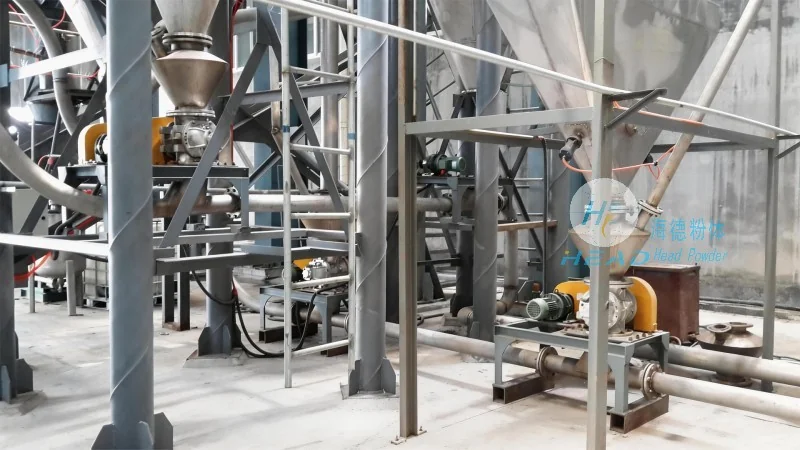
A comprehensive coke powder pneumatic conveying system consists of several essential components, each playing a vital role in the overall operation. The material feeder is the first component, responsible for delivering coke powder to the system in a controlled manner. Common types of feeders include rotary valves, screw feeders, and vibratory feeders, which ensure a consistent flow rate and prevent material buildup at the inlet. The air compressor or blower is the next critical component, providing the necessary pressure and airflow to move the material through the pipeline. The choice of compressor depends on the system's requirements, such as the desired pressure, flow rate, and energy efficiency. The conveying pipeline is designed to minimize pressure drop and prevent material deposition, using materials such as stainless steel or plastic that are resistant to corrosion and wear. The pipeline layout is carefully planned to avoid sharp turns and high-pressure zones, which can cause material degradation or system failure. At the receiving end, a separator or filter is used to separate the coke powder from the air, ensuring that the material is delivered in a clean and dry state. The separator may include a cyclone or bag filter, depending on the system's requirements. Finally, a dust collection system is often included to capture any particles that escape during operation, maintaining environmental compliance and operational safety. This system typically consists of a fan, filter media, and a collection container, which collect the dust and prevent it from being released into the environment.
Step-by-Step Design Process for a Rational System
The design process for a coke powder pneumatic conveying system involves a systematic approach to ensure that all critical factors are addressed. The first step is to analyze the material characteristics, including particle size, density, moisture content, and flowability. This analysis helps determine the appropriate conveying method and equipment. Next, the conveying distance and required flow rate are calculated to select the right air compressor and pipeline size. The system layout is then determined, considering the location of the feeder, compressor, and receiver. Pressure drop calculations are performed to ensure that the system can operate efficiently without excessive energy consumption. The pipeline diameter and length are optimized to minimize pressure drop while maintaining the required flow rate. The system is then tested and optimized using simulation software or pilot testing to ensure that it meets the performance requirements. Finally, the system is installed and commissioned, with regular maintenance and monitoring to ensure long-term reliability.
About Shandong HeadPowder Engineering Co., Ltd.
Shandong HeadPowder Engineering Co., Ltd., commonly known as HeadPowder, is a leading engineering company specializing in material handling and pneumatic conveying systems. HeadPowder has a rich history in the industry, with years of experience in designing and manufacturing customized systems for various applications, including coke powder transportation. The company's team of experts uses advanced technology and engineering principles to develop systems that are efficient, reliable, and cost-effective. HeadPowder's commitment to quality and customer satisfaction has made it a trusted partner for businesses in the chemical, steel, and other industries that rely on efficient material handling solutions. HeadPowder is based in Shandong, China, and serves clients both domestically and internationally, providing comprehensive engineering services from design to installation and maintenance.

 Công ty TNHH Kỹ thuật Công trình Bột Hải Đức Sơn Đông
 156-6277-7102(Quản lý Trương)
  0531-83386006
  Quận Chương Khâu, Thành phố Tế Nam, Tỉnh Sơn Đông, Trung Quốc
Điện thoại
WeChatTư vấn
Lên đầu