Công ty Hải Đức Bột với hơn 10 năm kinh nghiệm vận chuyển khí, cung cấp hệ thống‑thiết bị‑quạt gió và nhận dự án tổng thầu bột cả nước
Designing a well-structured coking powder pneumatic conveying system is crucial for ensuring efficient material handling in industrial settings. The process involves careful consideration of various technical and operational factors to achieve optimal performance and reliability.
Key Considerations for Coking Powder Pneumatic Conveying System Design
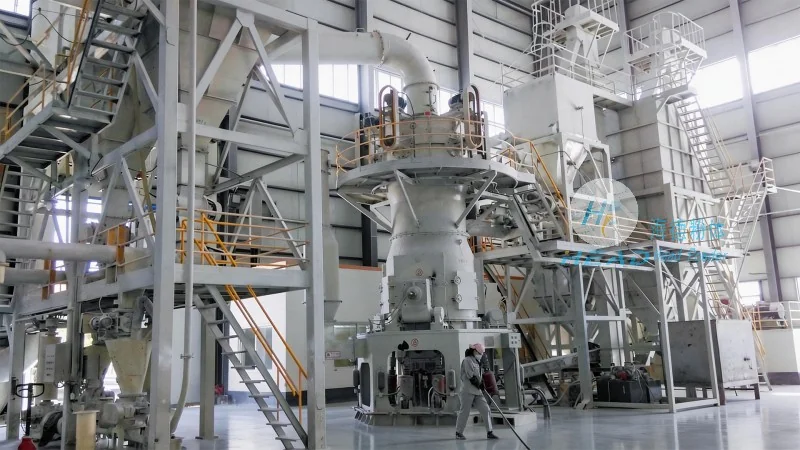
When developing a pneumatic conveying system for coking powder, several critical factors must be addressed to prevent issues such as blockages, degradation of material quality, and excessive energy consumption. The first step is to assess the specific characteristics of the coking powder, including its particle size distribution, moisture content, and flowability. These properties directly impact the selection of system components like the hopper, feeder, and pipeline configuration.
System Components and Their Roles
HeadPowder, a leading engineering firm based in Shandong, China, emphasizes the importance of each system component in achieving a stable and efficient conveying process. The hopper is designed to store the coking powder and maintain a consistent feed rate, often equipped with a rotary valve or screw feeder to control material discharge. The feeder ensures a uniform flow of material into the pipeline, preventing surges or interruptions that could lead to system downtime.
The pipeline itself is a critical element, as it must be constructed from materials resistant to the abrasive and corrosive nature of coking powder. Stainless steel or specialized coatings are commonly used to extend the system's lifespan and maintain material integrity. The pipeline layout, including the number of bends and vertical sections, is optimized to minimize pressure losses and prevent particle separation or deposition.
Pressure and Flow Rate Optimization
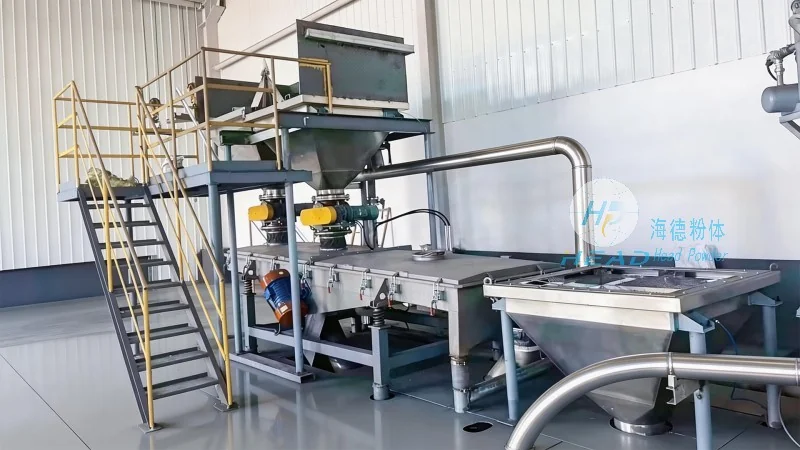
HeadPowder engineers focus on optimizing the pressure and flow rate to match the specific requirements of the coking powder. The system typically operates under either positive or negative pressure, depending on the application. Positive pressure systems are more common for transporting coking powder over longer distances or to multiple destinations, as they maintain a consistent flow by forcing air through the material. Negative pressure systems, on the other hand, are suitable for short-distance conveying or when the material needs to be collected from a source.
The selection of the right pressure level is essential to avoid excessive energy consumption or damage to the system components. Engineers at HeadPowder use advanced computational fluid dynamics (CFD) simulations to model the flow behavior and determine the optimal pressure and flow rate for the specific application. This approach ensures that the system operates at peak efficiency while minimizing operational costs.
Material Handling and System Reliability
Ensuring the reliability of the pneumatic conveying system is paramount for continuous operation in industrial environments. HeadPowder incorporates features such as automatic cleaning mechanisms, pressure sensors, and alarm systems to detect and address issues promptly. The system is designed to handle variations in material feed, such as changes in particle size or moisture content, without compromising performance. Regular maintenance and monitoring are also recommended to prolong the system's lifespan and maintain its efficiency.
Case Study: Successful Implementation by HeadPowder
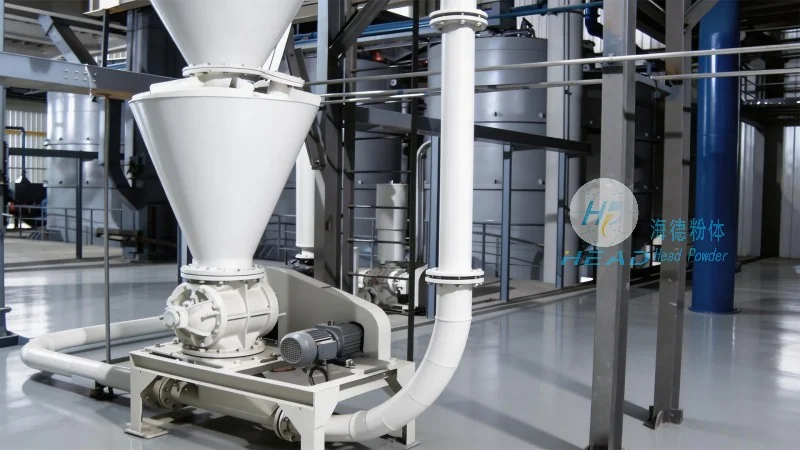
HeadPowder has successfully implemented numerous coking powder pneumatic conveying systems for clients in the steel and chemical industries. One notable project involved designing a system for a large steel mill in Shandong, China, where the goal was to transport coking powder from storage silos to the blast furnace. The system was optimized for high flow rates and long-distance conveying, with a capacity of 200 tons per hour. The implementation resulted in a 20% reduction in energy consumption and a 15% increase in operational efficiency compared to traditional methods.
Another project focused on a chemical plant where the coking powder needed to be conveyed to a processing unit. HeadPowder designed a system with a positive pressure configuration and a stainless steel pipeline, ensuring that the material was transported without degradation. The system's reliability and efficiency were validated through rigorous testing and continuous monitoring, demonstrating the effectiveness of the design approach.
Conclusion and Recommendations
Designing a reasonable coking powder pneumatic conveying system requires a comprehensive understanding of the material properties, system components, and operational requirements. HeadPowder, with its expertise in engineering and material handling, provides tailored solutions that meet the specific needs of clients. By focusing on optimization, reliability, and efficiency, the company ensures that its systems deliver long-term value and contribute to the success of industrial operations.

 Công ty TNHH Kỹ thuật Công trình Bột Hải Đức Sơn Đông
 156-6277-7102(Quản lý Trương)
  0531-83386006
  Quận Chương Khâu, Thành phố Tế Nam, Tỉnh Sơn Đông, Trung Quốc
Điện thoại
WeChatTư vấn
Lên đầu